
Hokkaido, Japan
January in Hokkaido does not flirt with winter; it commits. For nine days in early 2025, I worked through ice, snow, steam, wildlife, and silence in Japan’s northern frontier, where winter strips the landscape back to its essentials. We were guided by Tsuyoshi Kato, whose extraordinary local knowledge has been trusted for decades by visiting photographers, including Michael Kenna. The photographic direction was led by Richard Young from New Zealand Photography Workshops, bringing a calm and disciplined approach that suited both the landscape and the conditions.
Days began in darkness and often ended with frozen fingers. This was not sightseeing with a camera; it was photography done properly, slowly, deliberately, and with no guarantee that nature would cooperate.
We arrived at Lake Shikotsu in complete darkness, the landscape reduced to silhouettes and guesswork as we set up more by feel than sight. Gradually, the morning revealed snow-covered beaches and an extraordinary stillness. The sky moved through muted pinks and greys, providing just enough colour to lift the landscape without overwhelming it. For a short time, the transition from darkness to daylight became the subject itself. In that quiet window, Lake Shikotsu revealed its character, minimal, controlled and completely indifferent to the photographers standing on its shore.
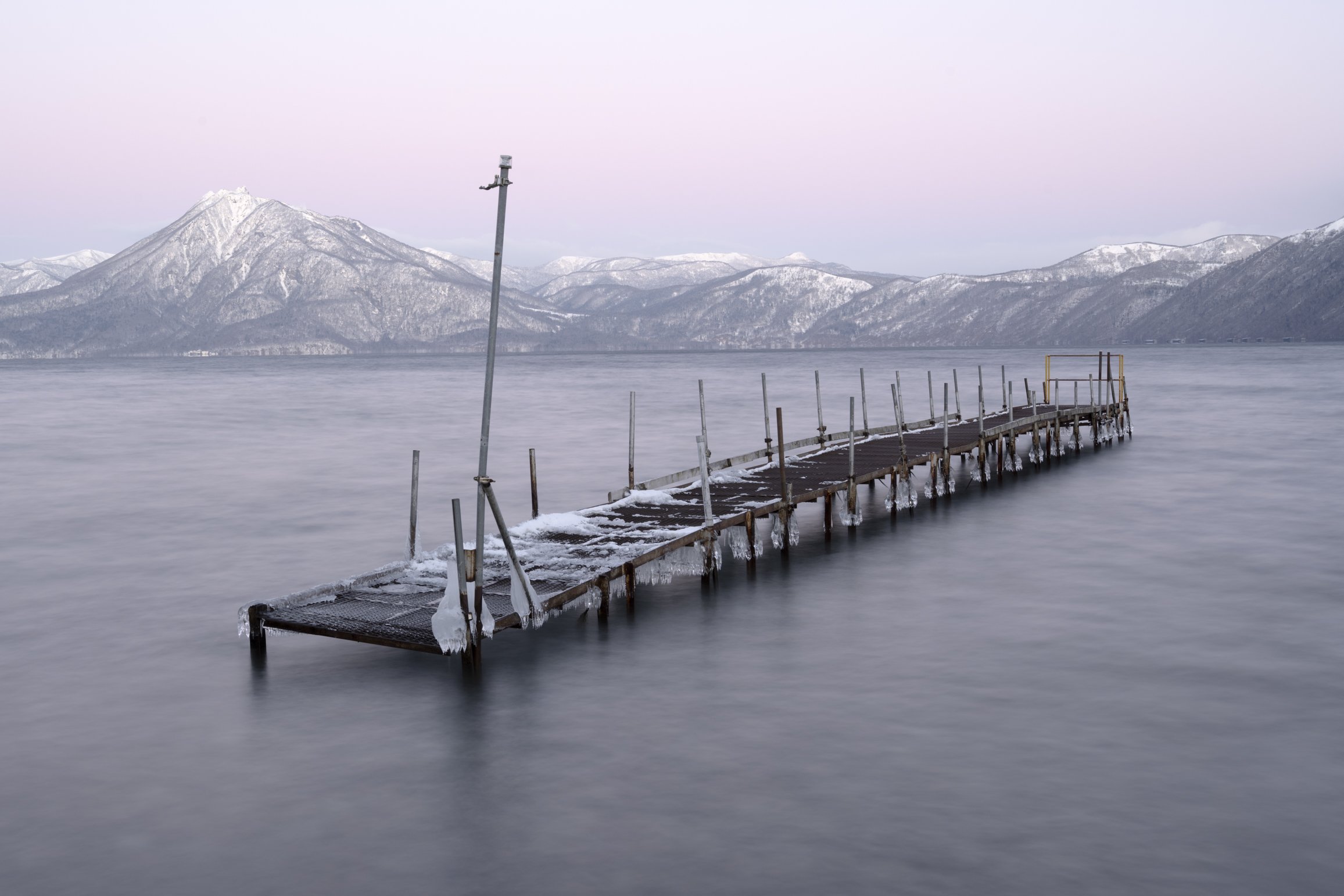
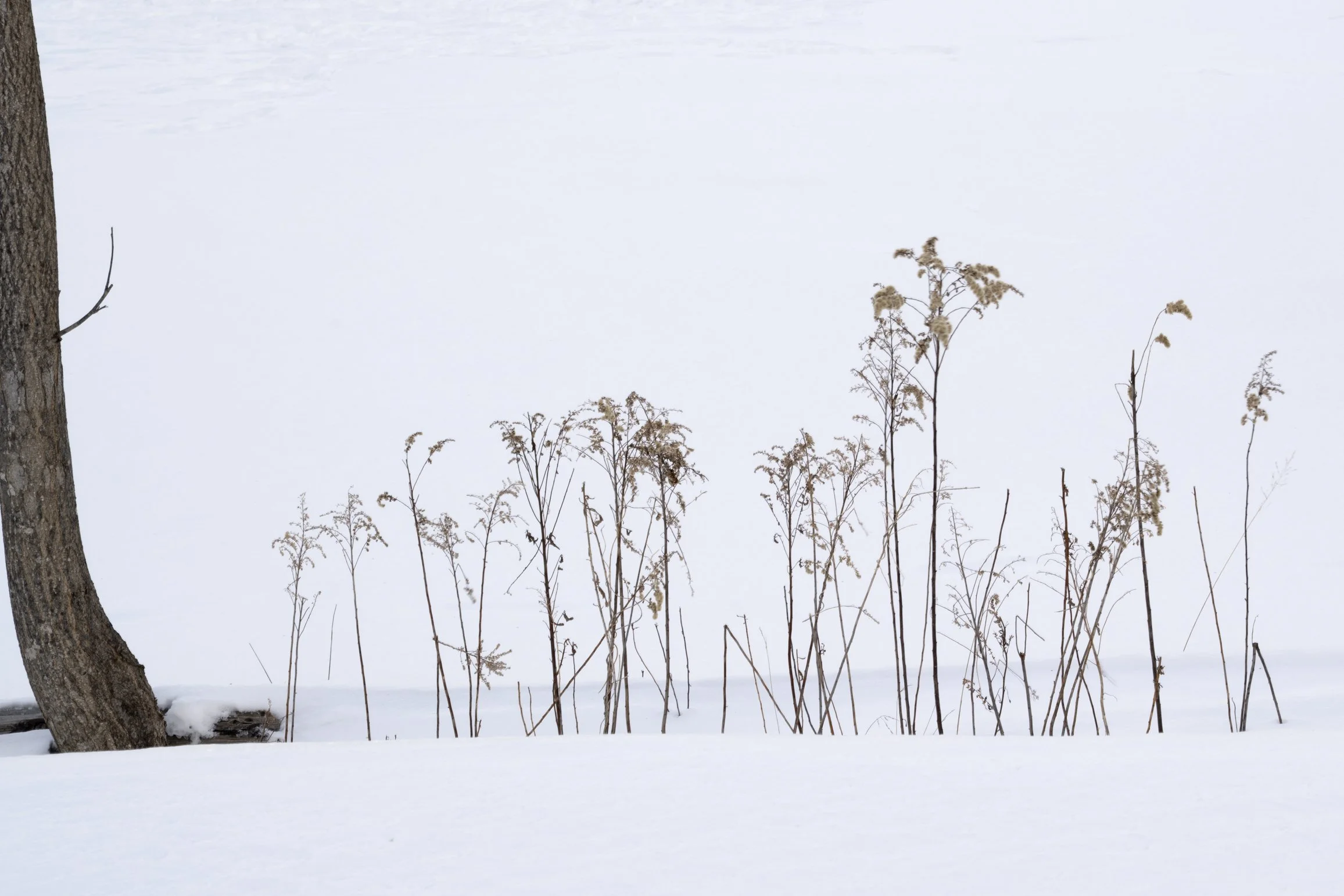
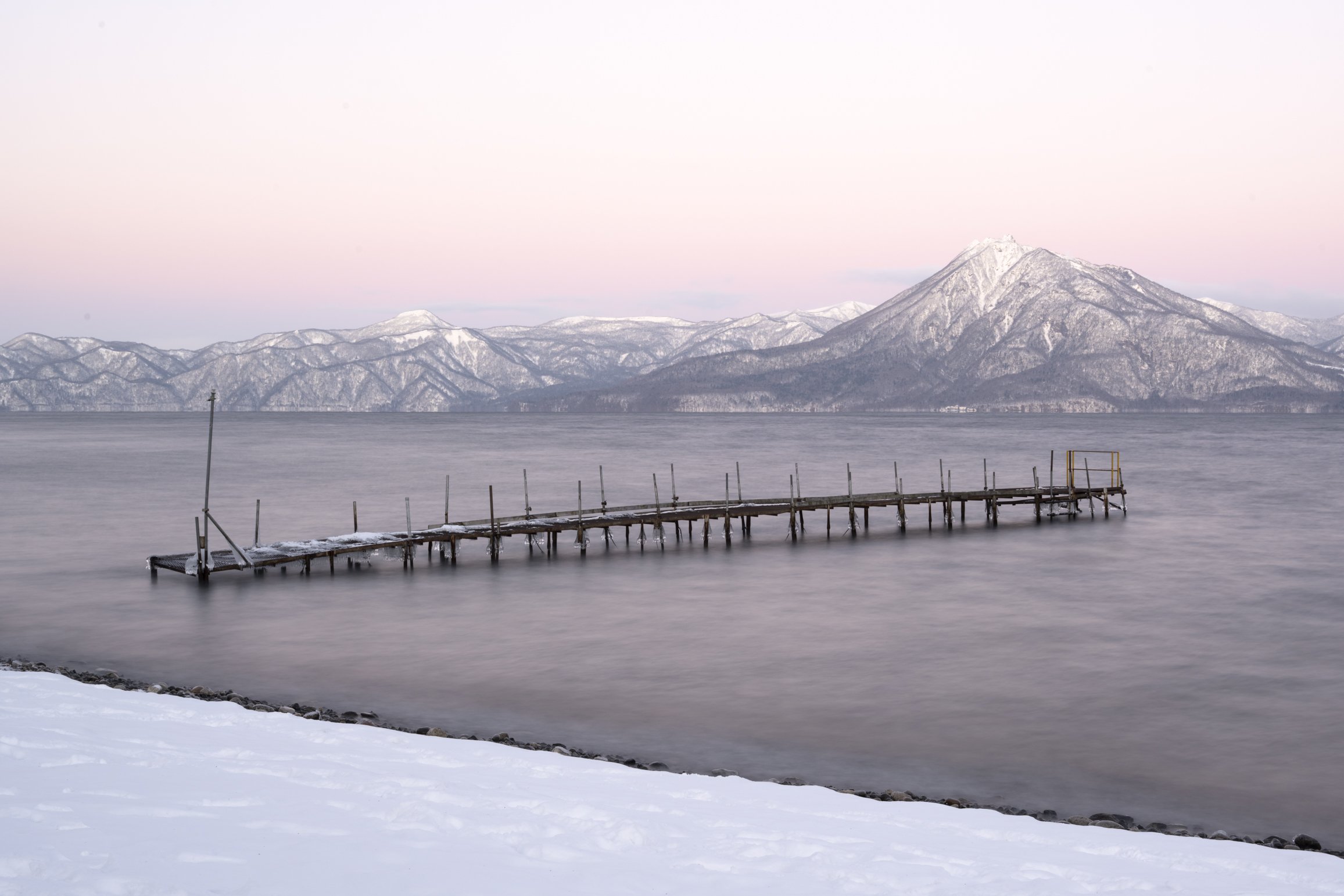
Lake Shikotsu
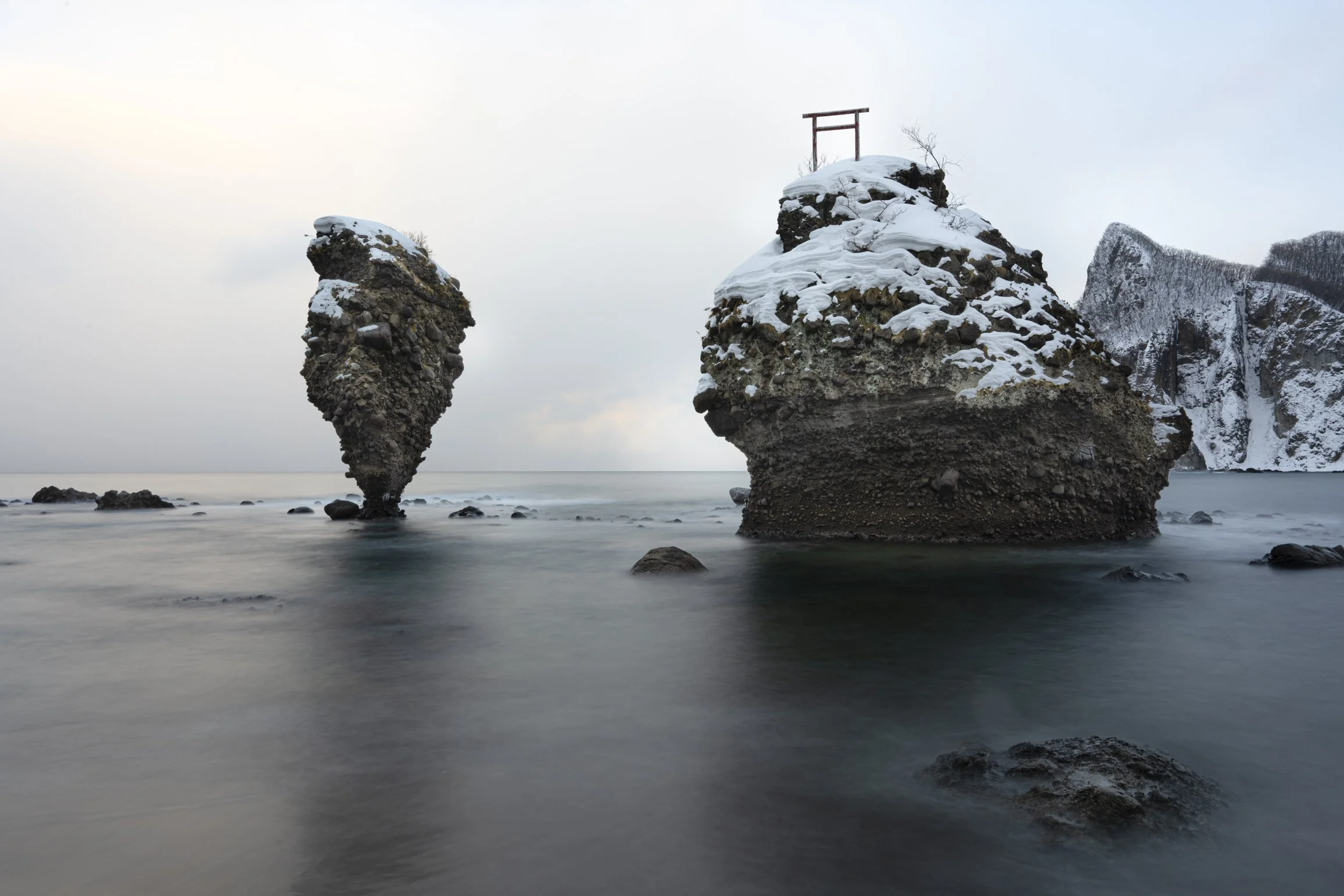
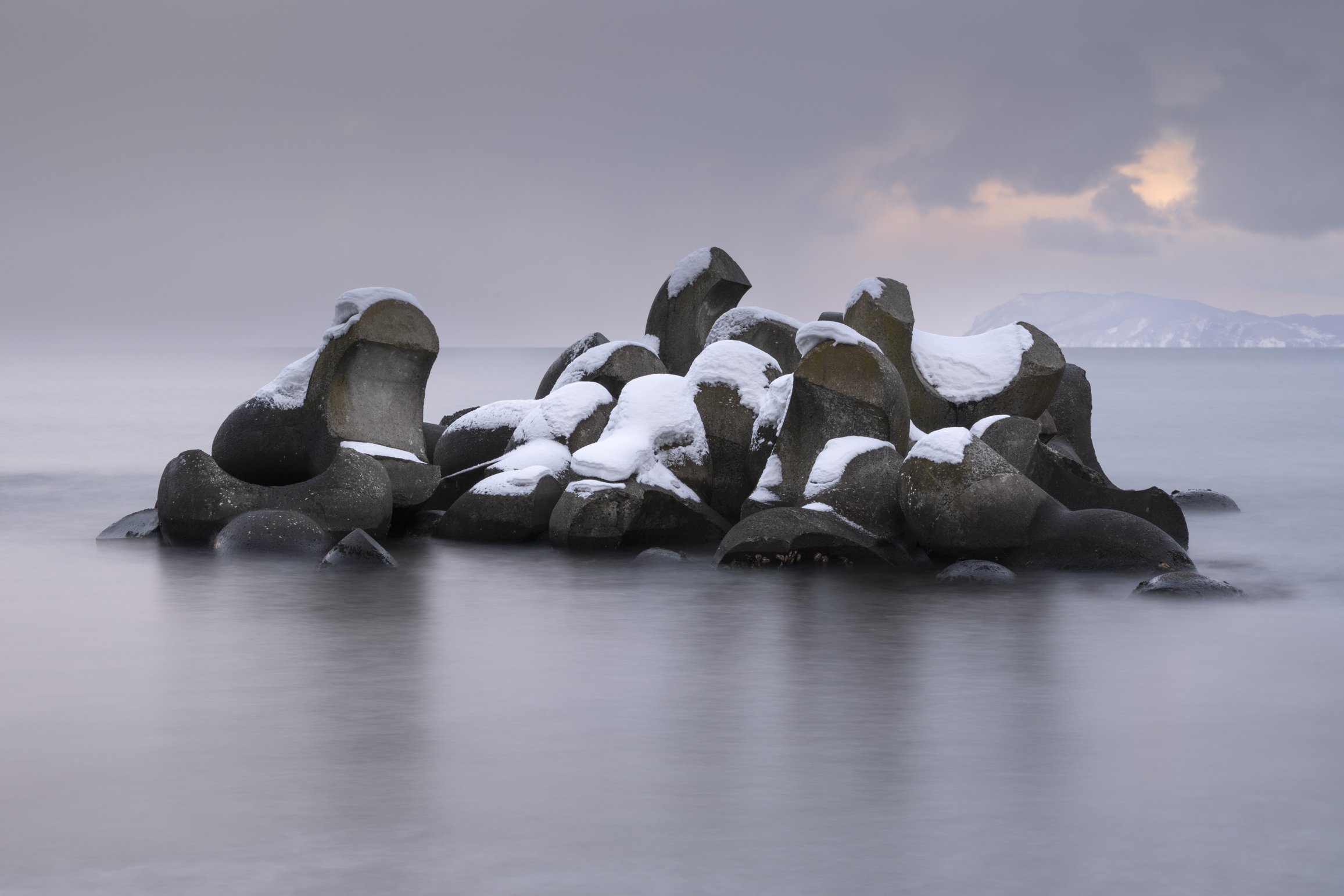
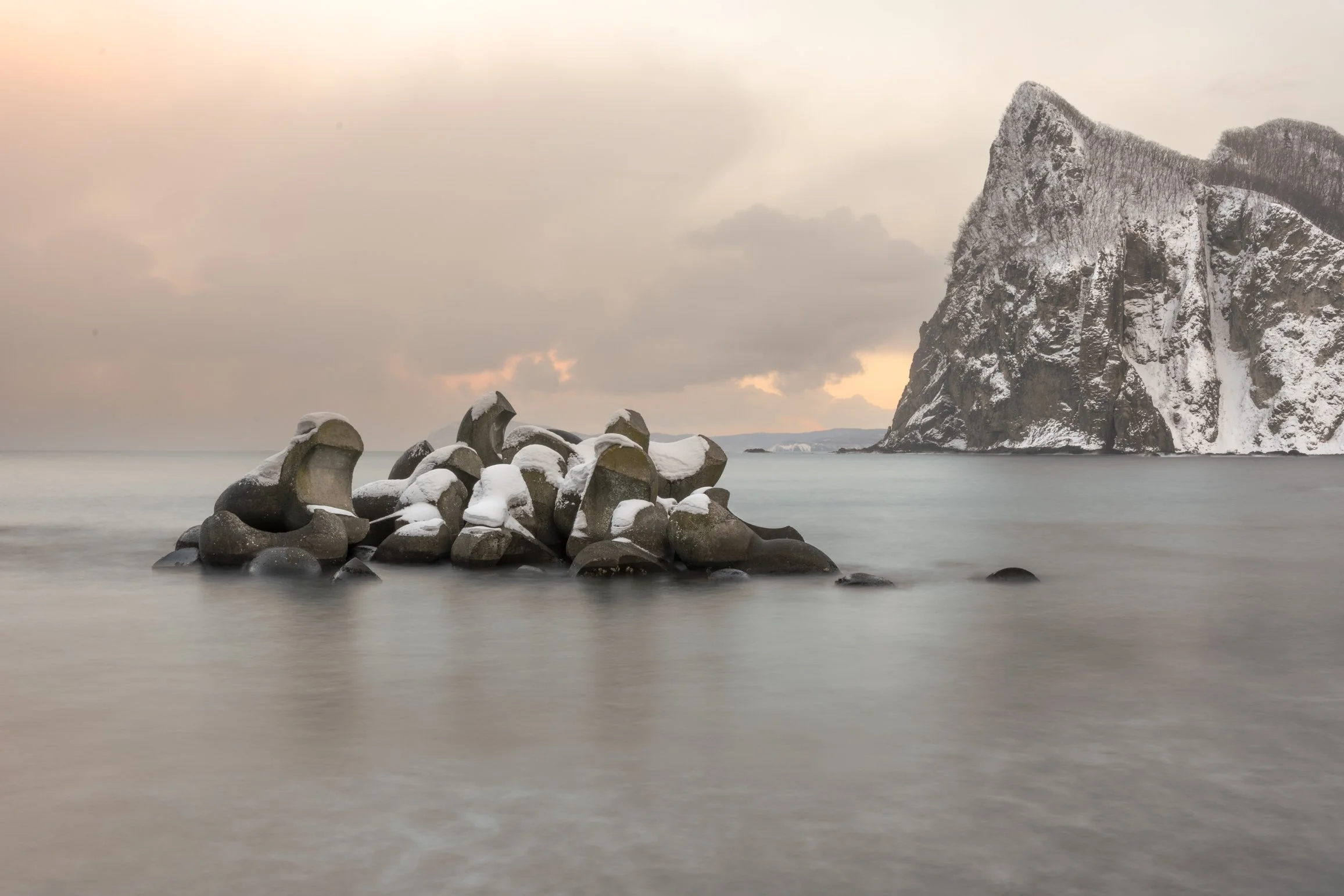
From a photographic perspective, Sapporo was less about the city and more about the landscapes surrounding it. We travelled west to Yoichi, where snow-covered beaches meet the Sea of Japan, and winter reduces the coastline to tone, shape, and texture. Ebisu Rock and Daikoku Rock rise directly from the water, stark and immovable against the winter sea. Along the coastline, enormous concrete tetrapods form another distinctive feature. Built to protect Japan’s exposed shores from erosion and heavy seas, their hard geometry provides an unexpected contrast against the softness of snow and water.
It is an unusual combination of natural landscape and engineering, but somehow, in Hokkaido, even the infrastructure earns its place in the frame.
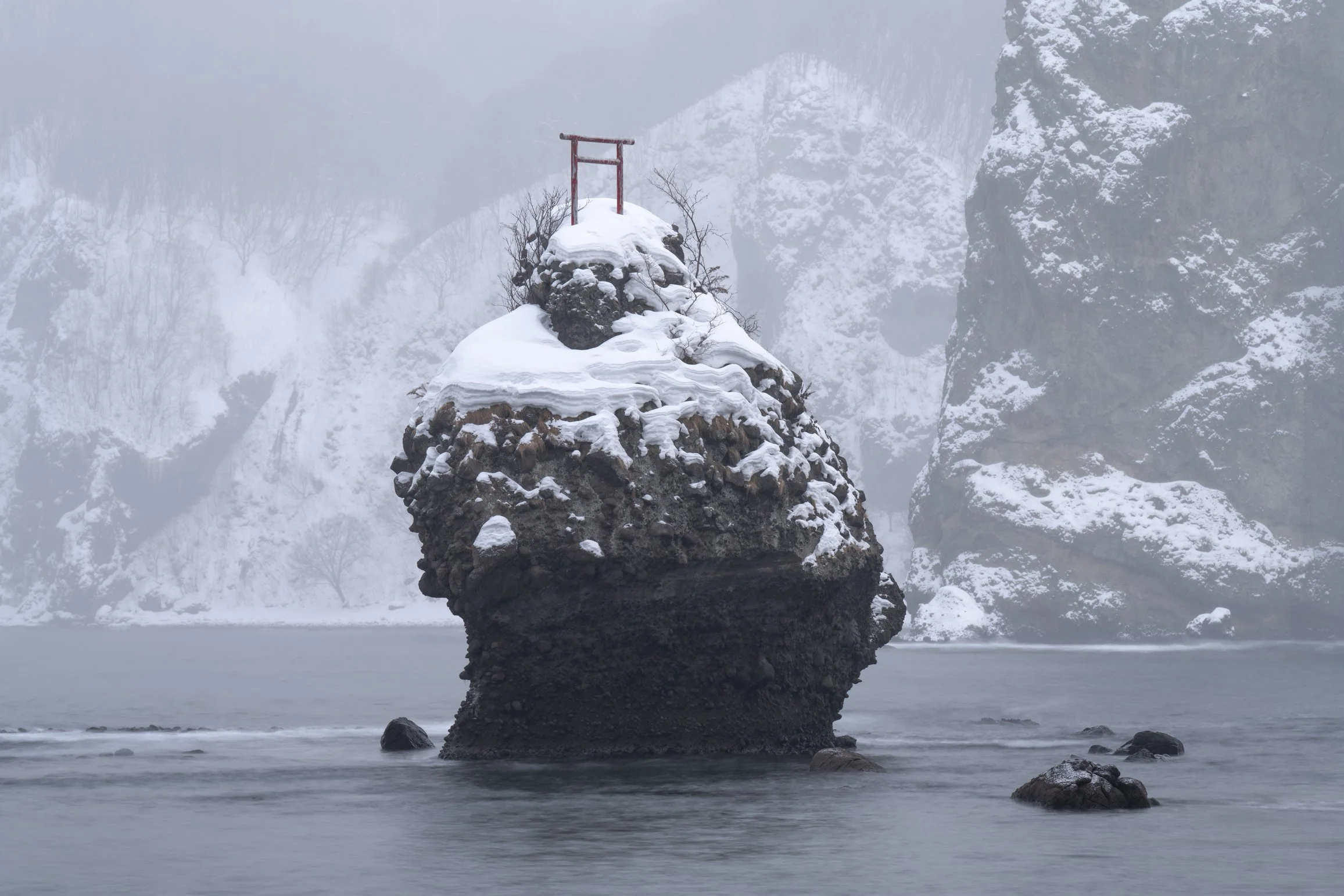
Daikoku Rock
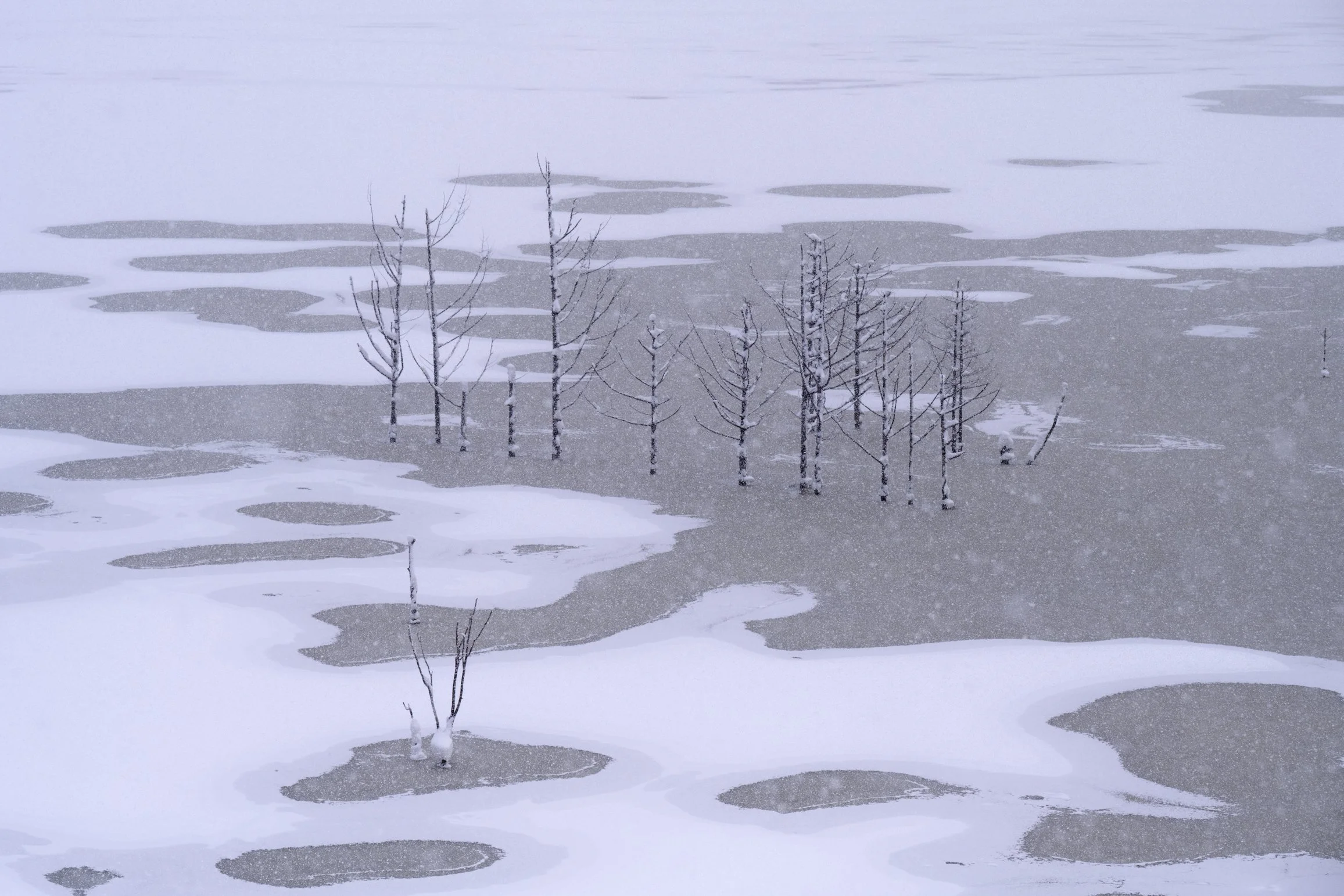
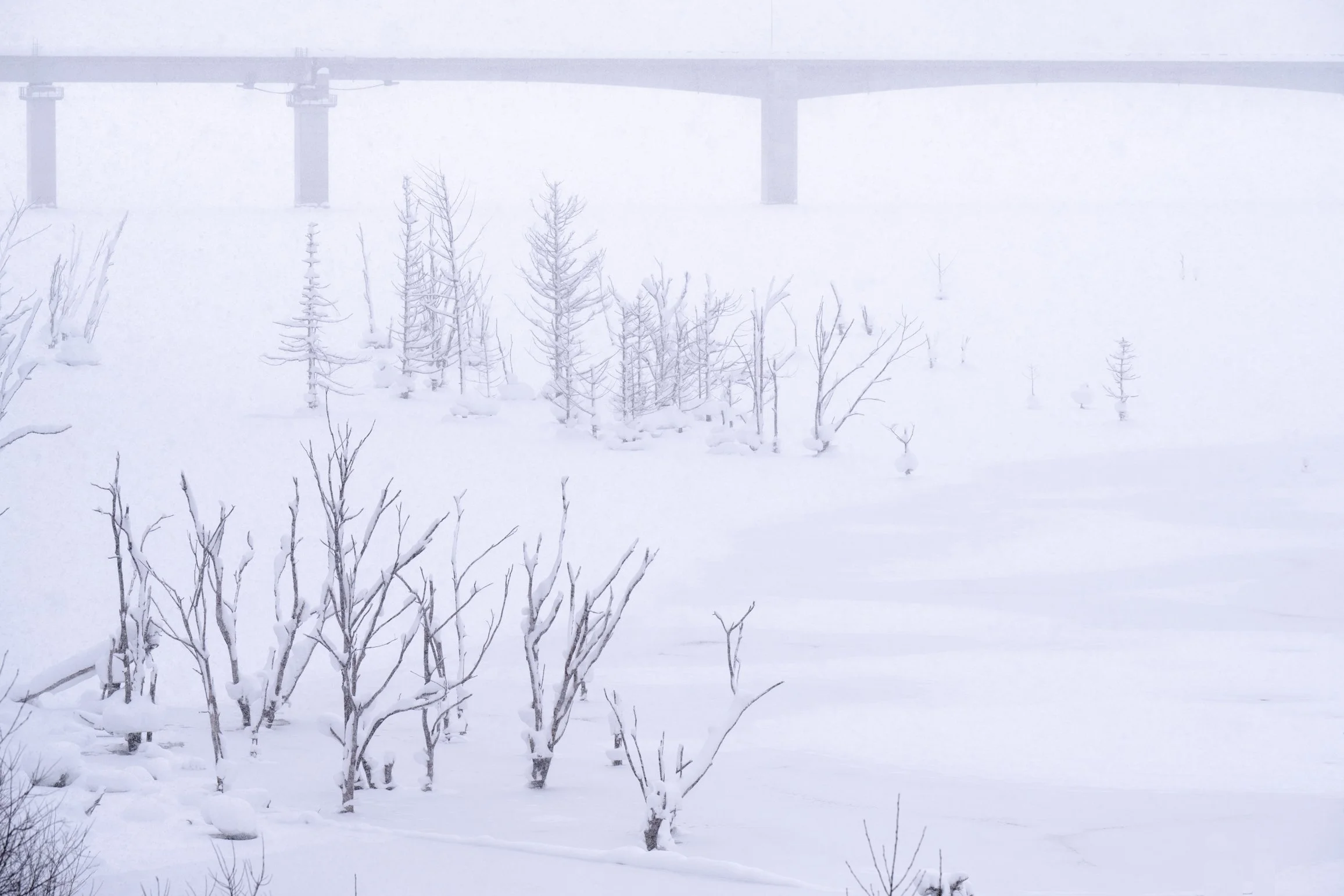
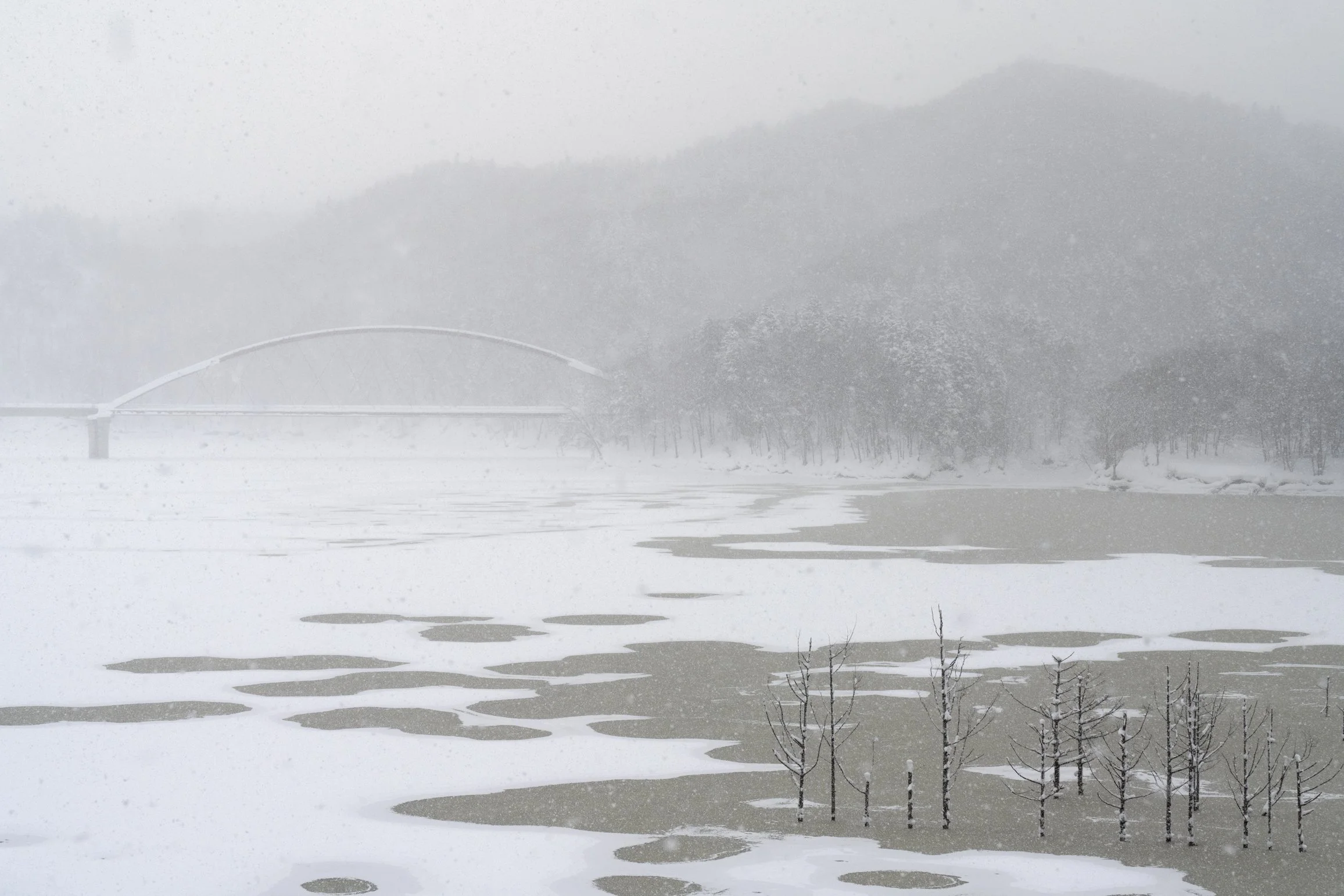
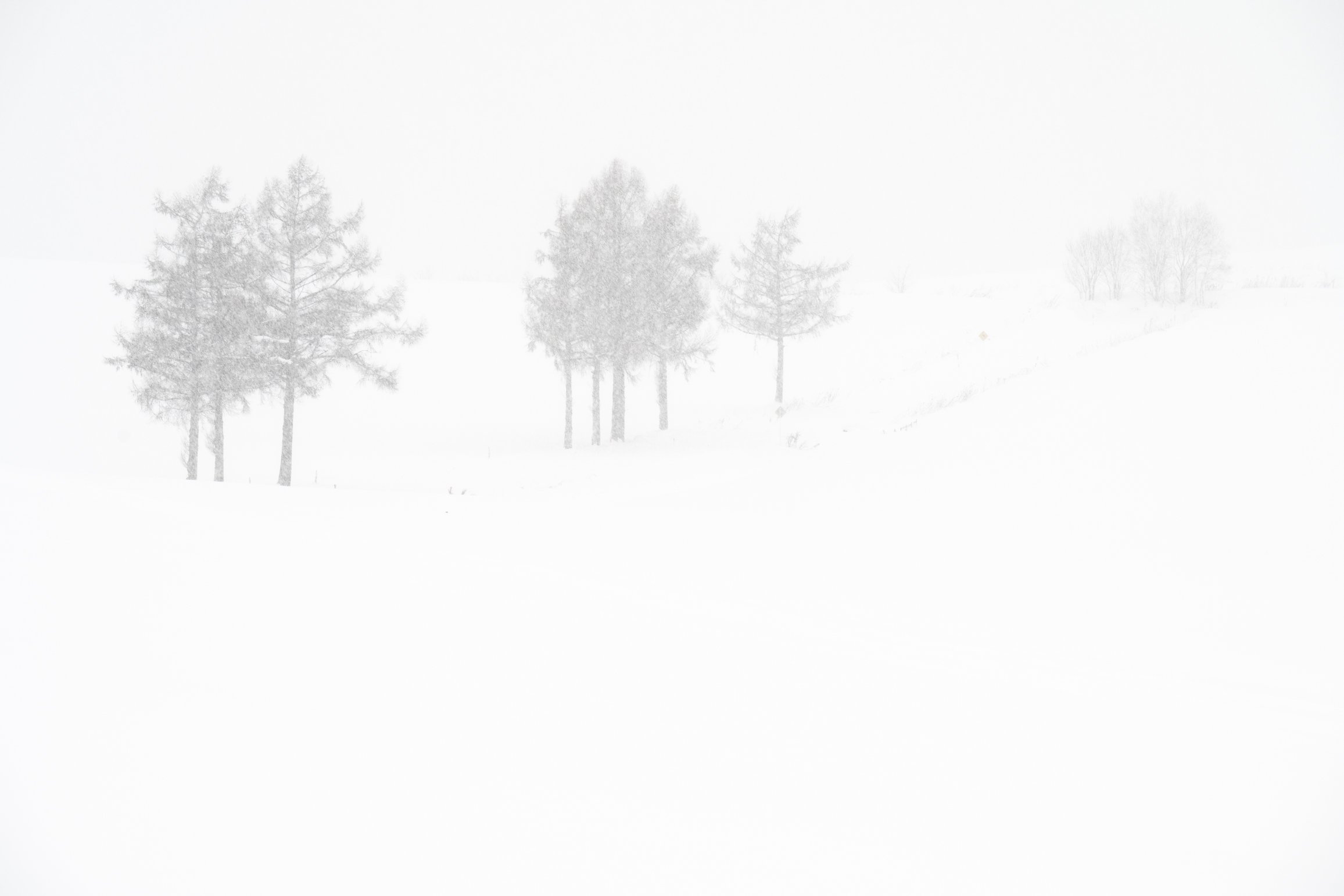
At Yubari Dam, heavy cloud and relentless snowfall had reduced almost everything to white. Visibility was poor, the sky and water seemed to merge, and there was little of the conventional light a landscape photographer might hope for. But the snow brought something else. Edges disappeared, distant features softened, and the dam and surrounding slopes became studies in shape, texture, and tone.
No obvious photographs were waiting for us. We had to look harder, simplify the compositions, and work with what the weather provided. It was an early reminder that Hokkaido does not necessarily give you the conditions you want, but it nearly always gives you something worth observing.
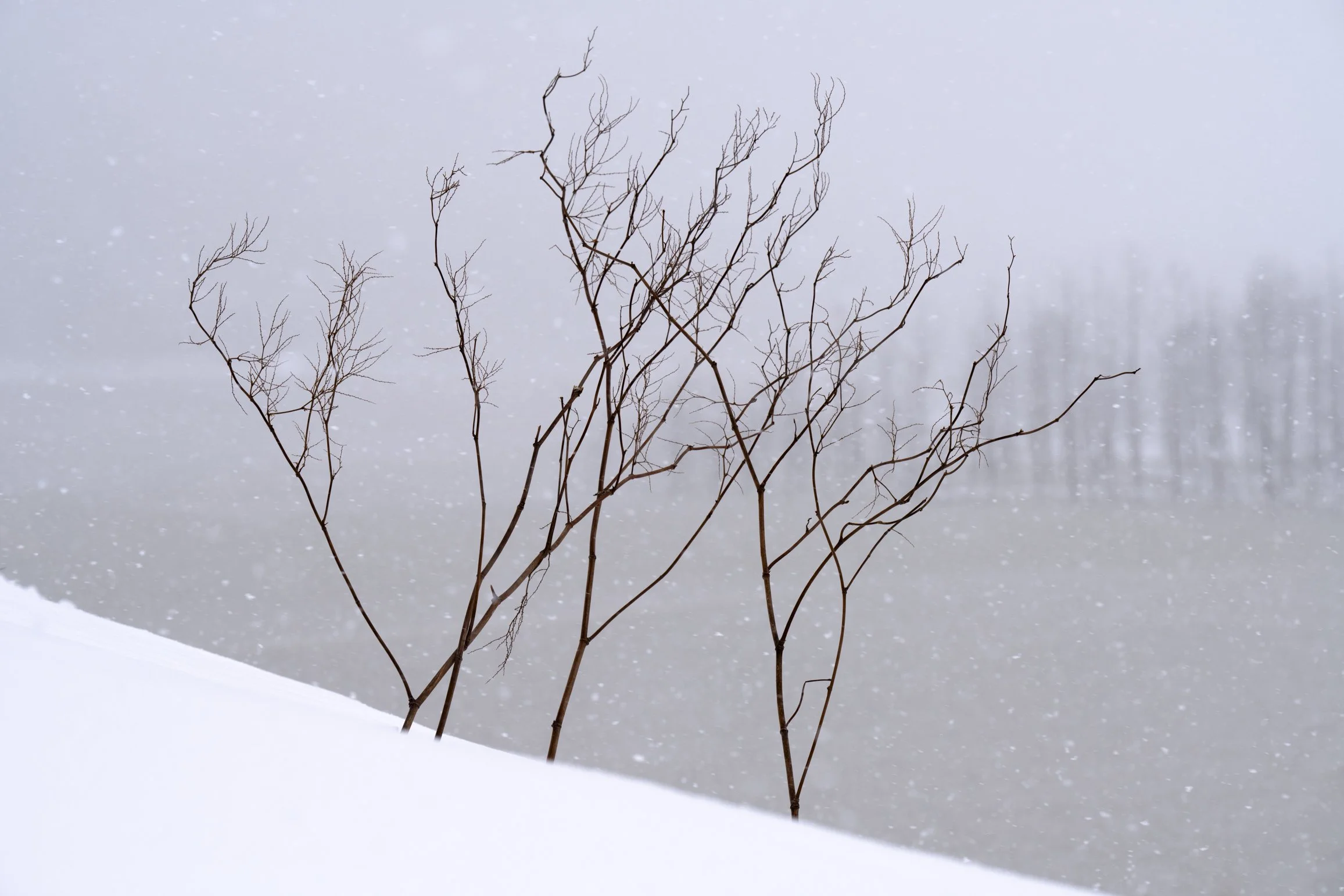
Yabari Dam
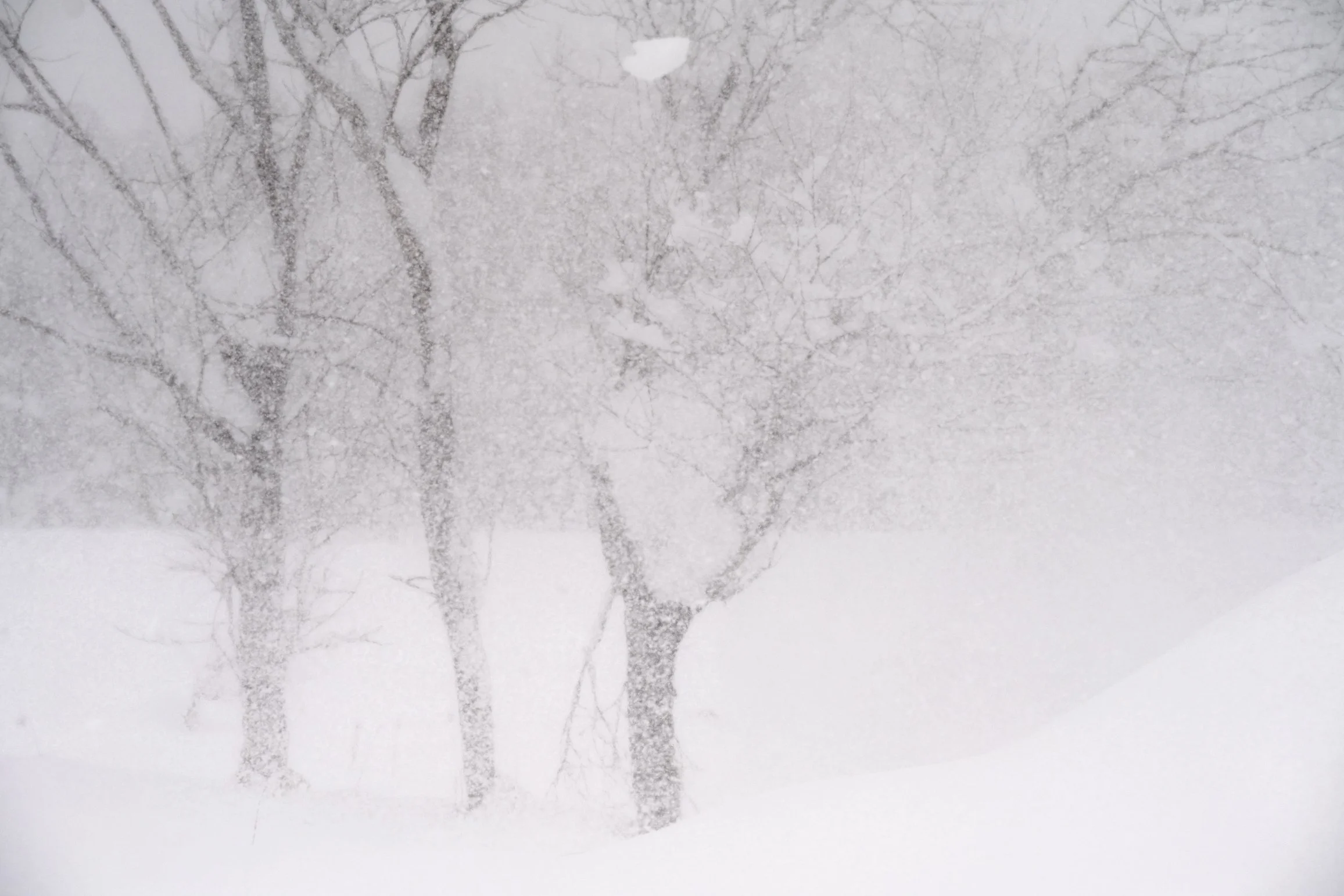
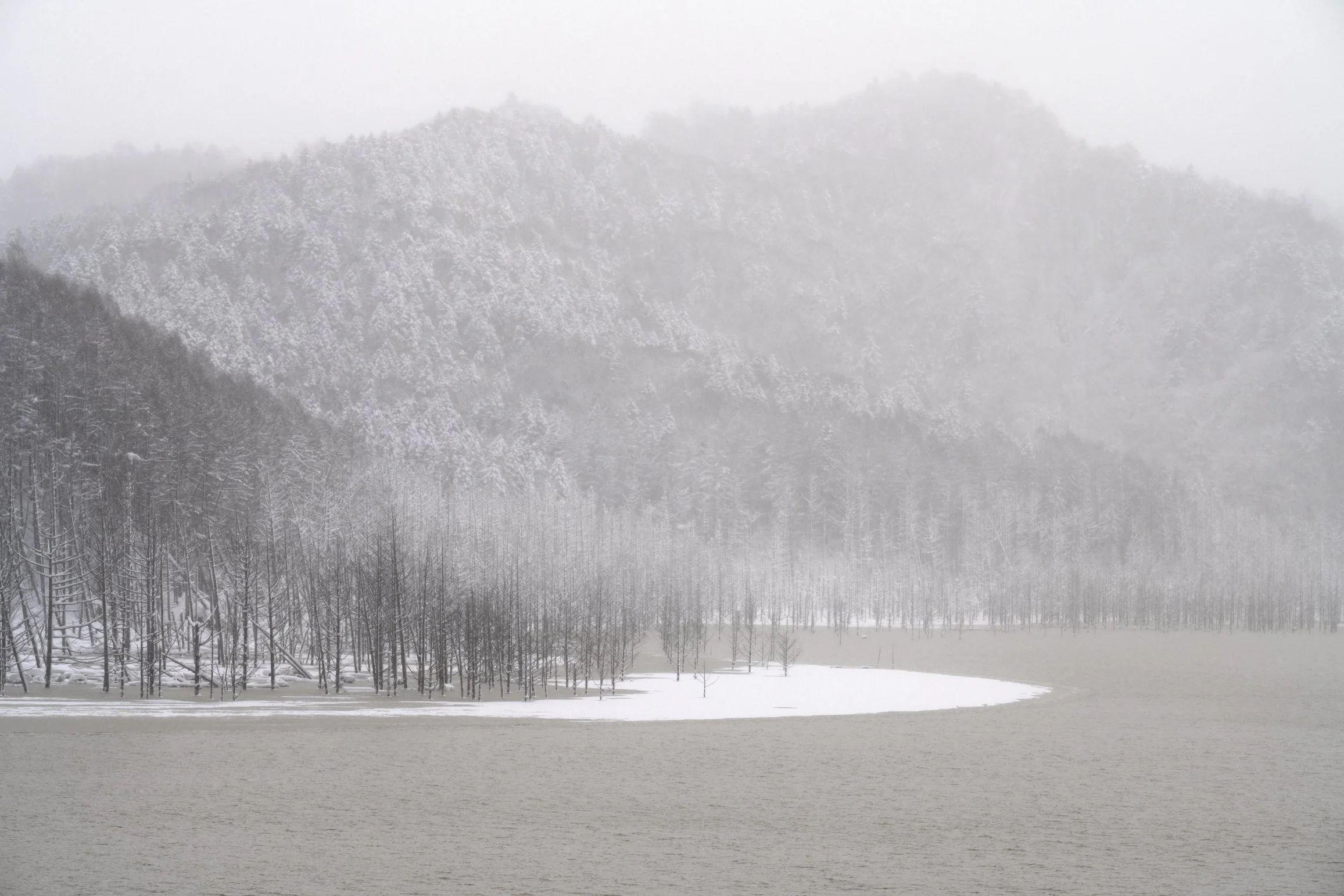
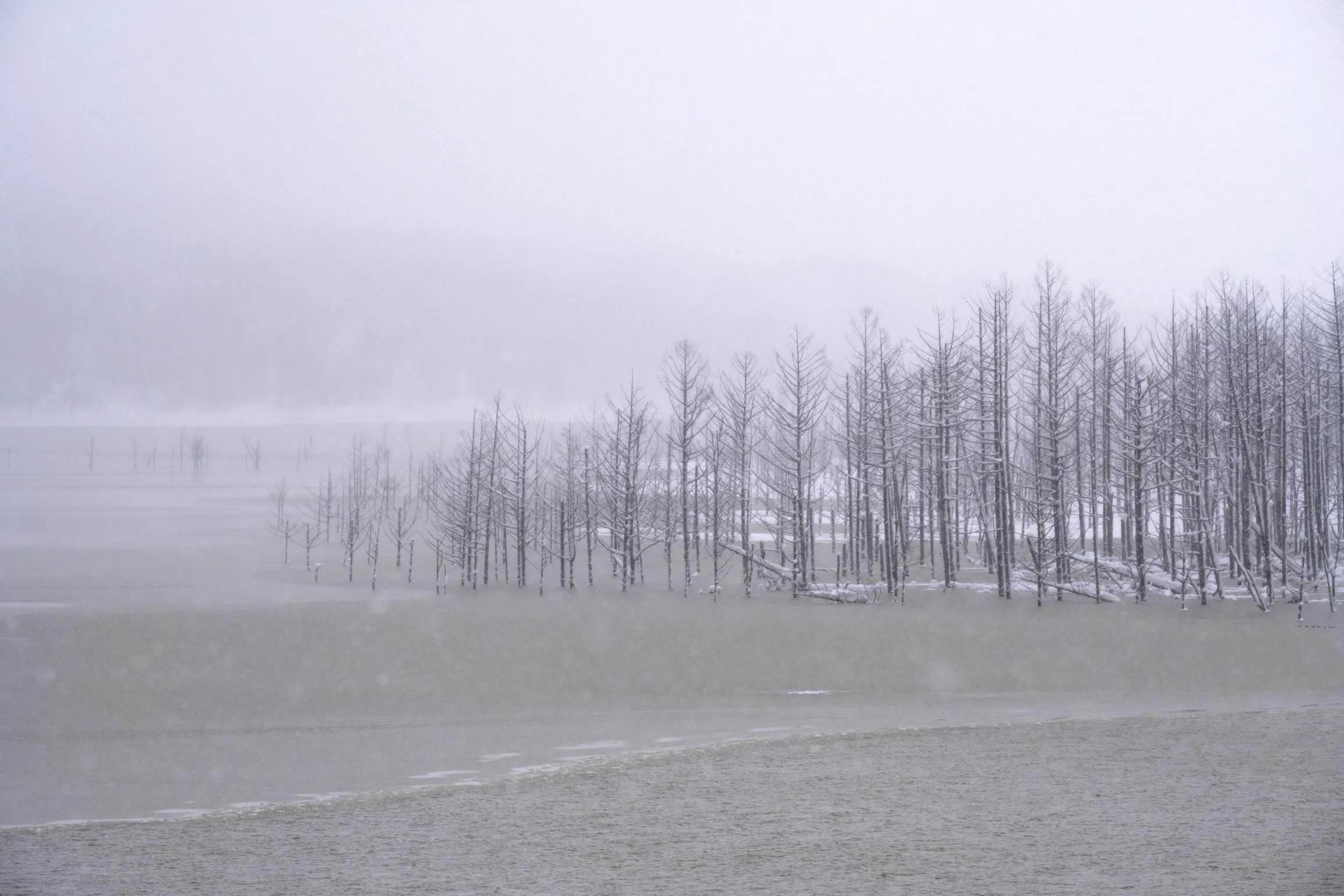
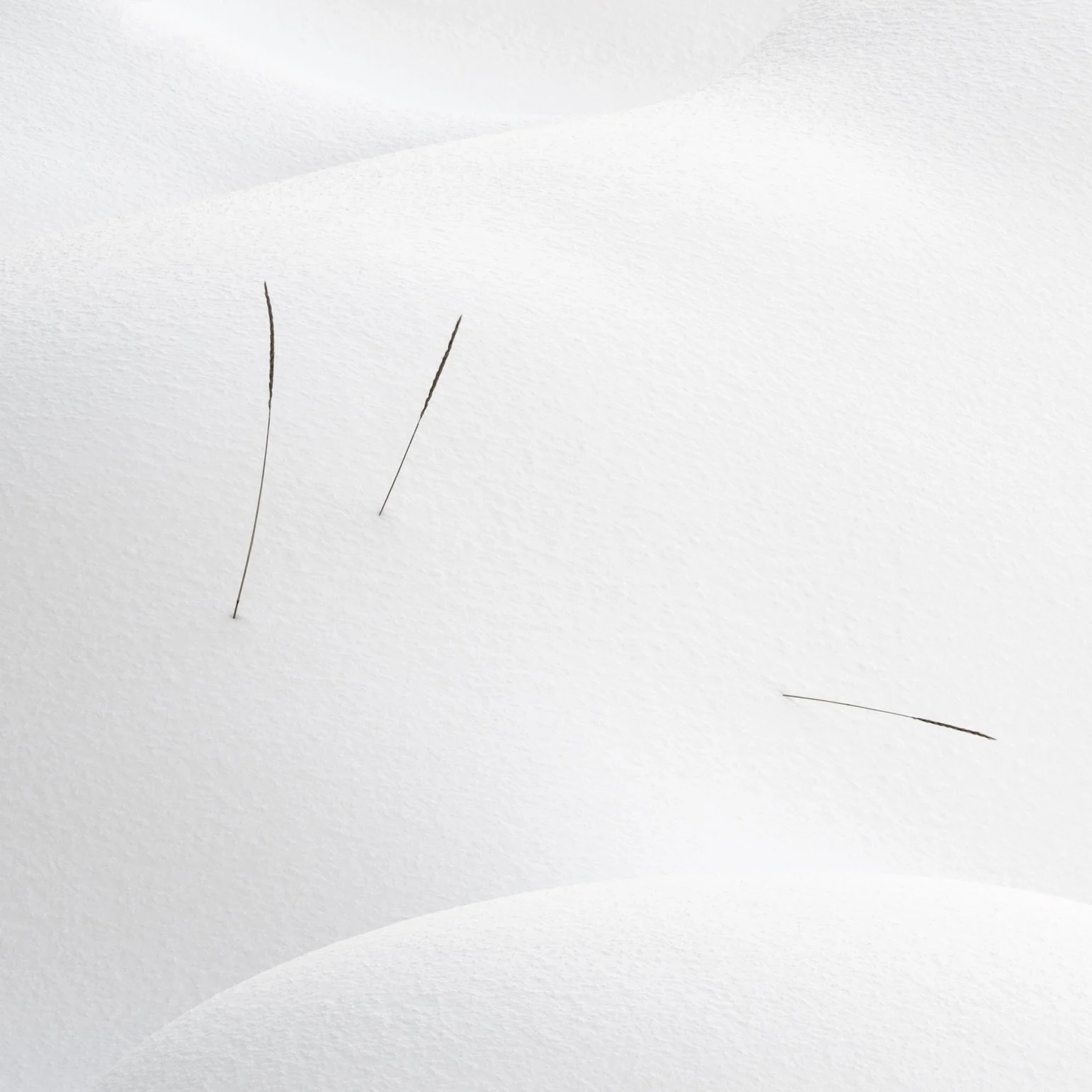
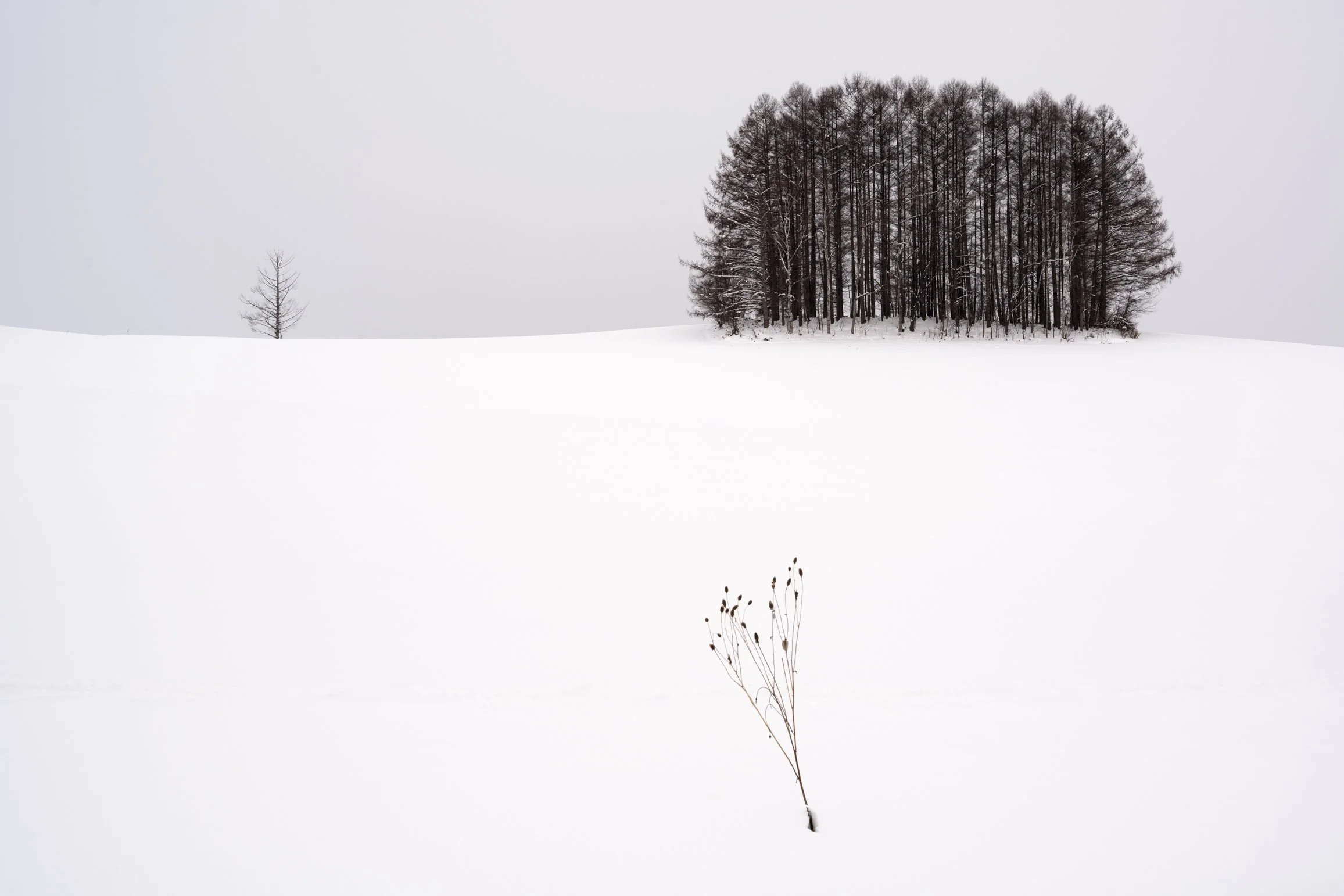
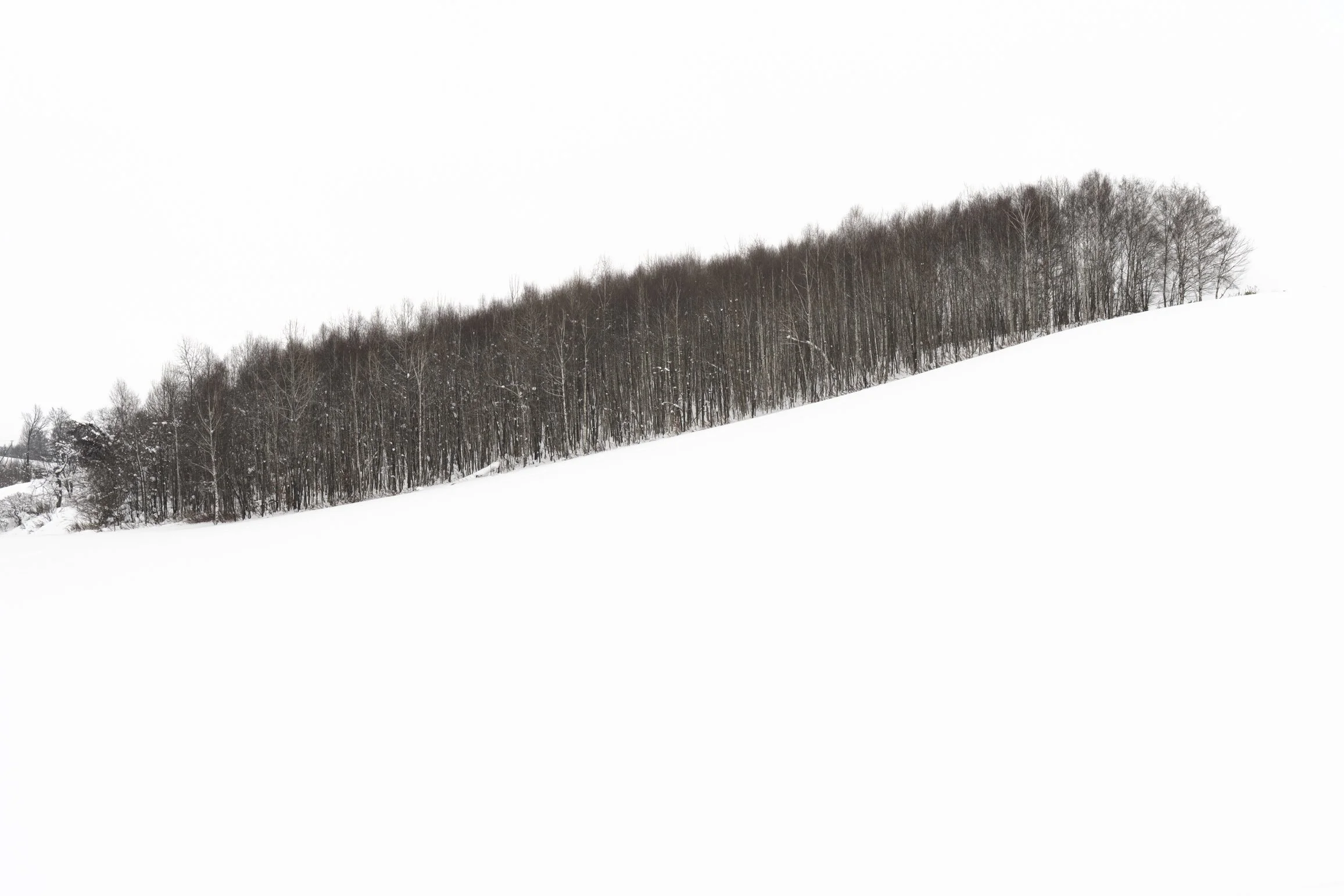
As we moved inland, the snowfall eased, and the landscape became softer and more sculptural. Fields and riverbanks were covered in fresh snow, with low winter light revealing subtle textures and patterns that might easily have disappeared in stronger conditions. The compositions became simpler, lines through the snow, isolated trees, distant structures, and small interruptions in an otherwise immense white landscape.
Moving through it on snowshoes changed the experience again. Every step became slower and more considered, which was no bad thing for the photography. Out here, there was little reason to hurry; the landscape certainly wasn't going anywhere.
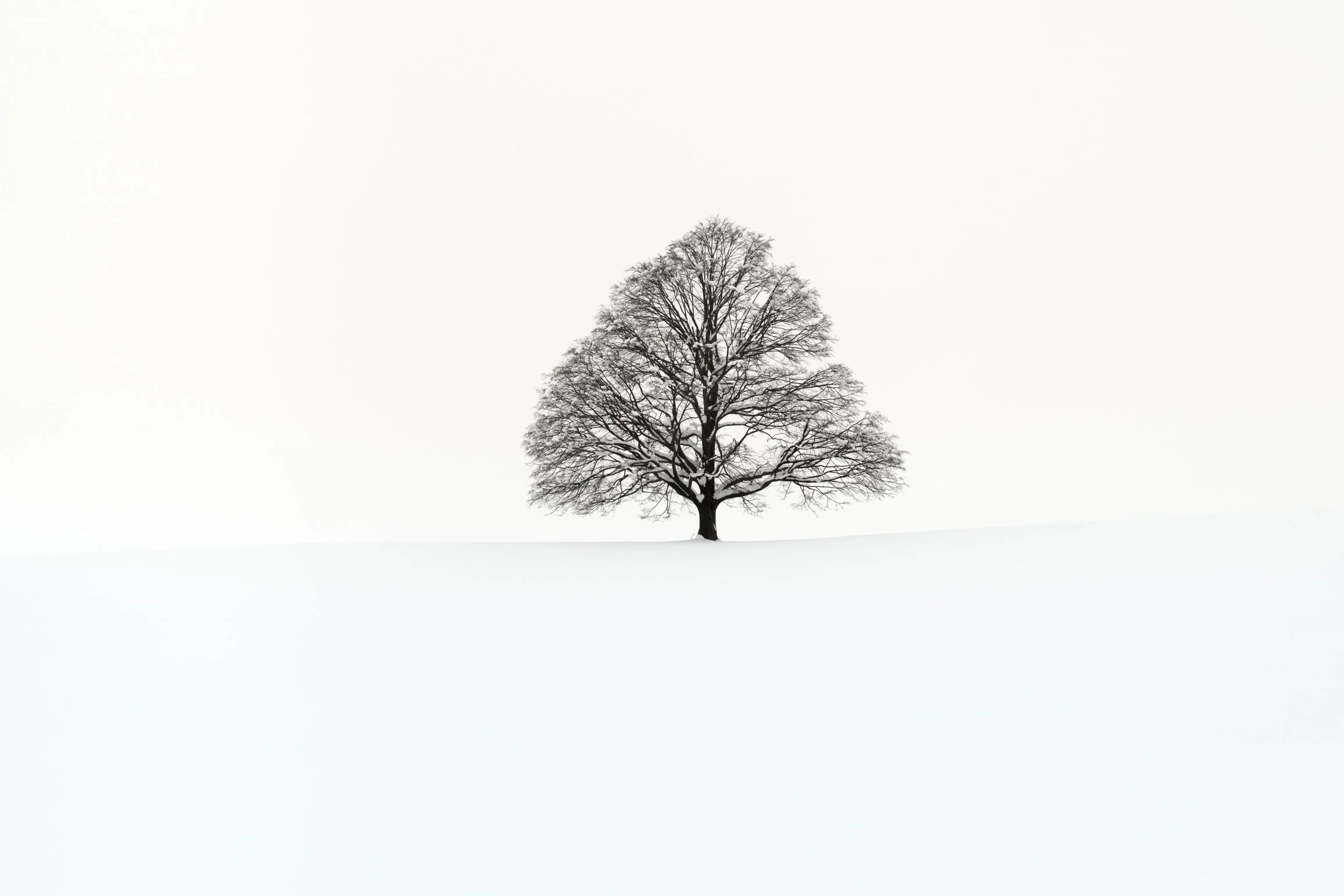
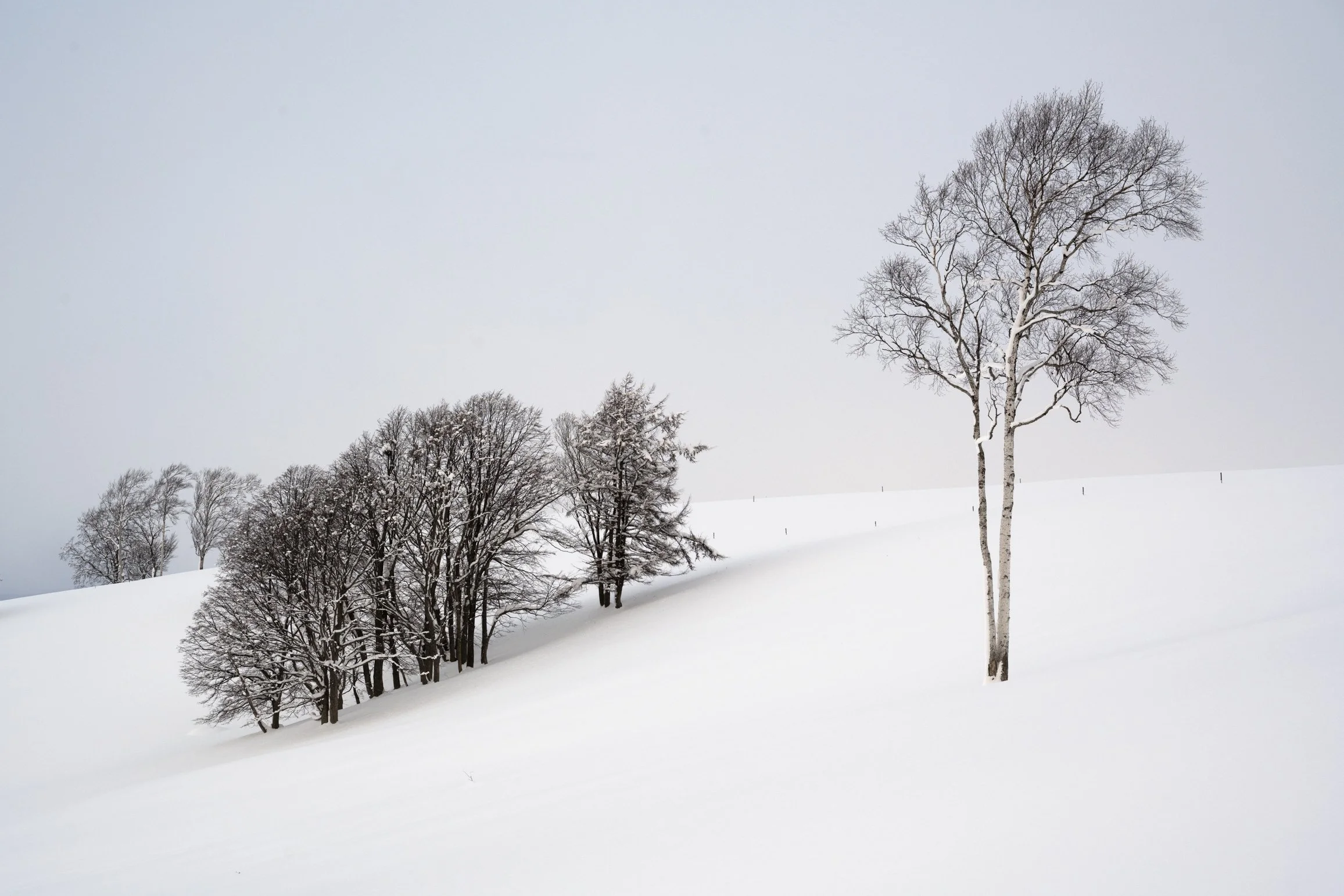
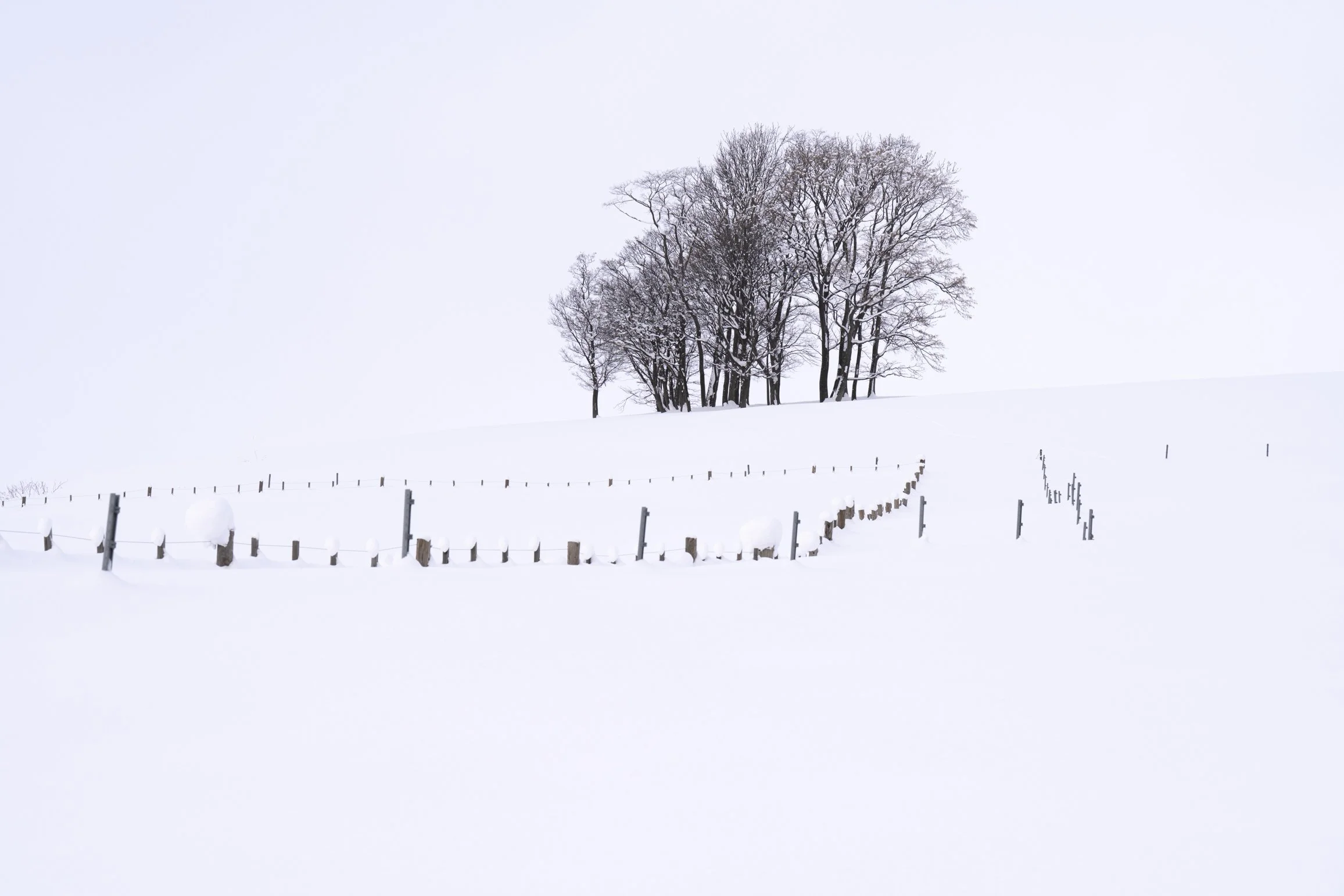
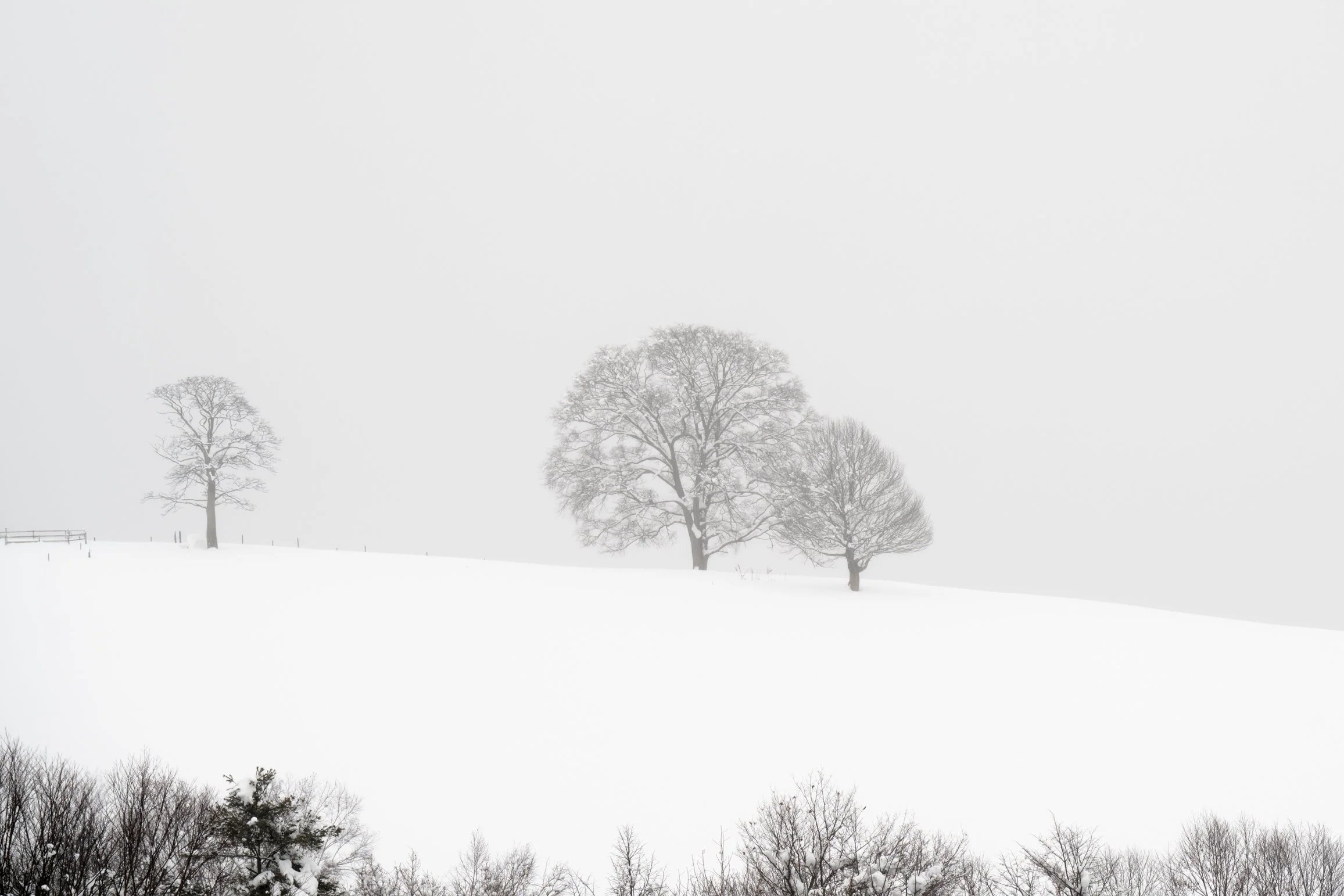
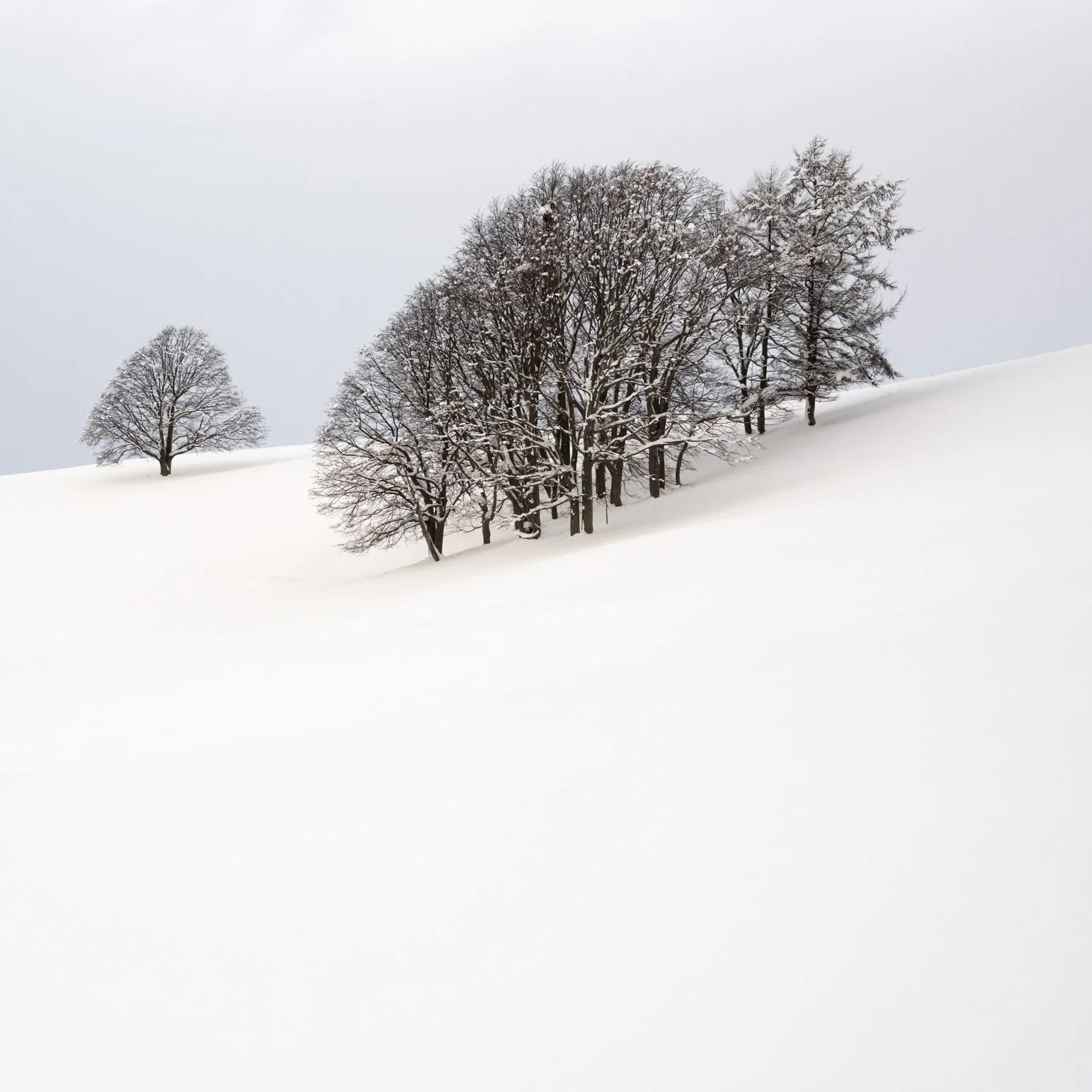
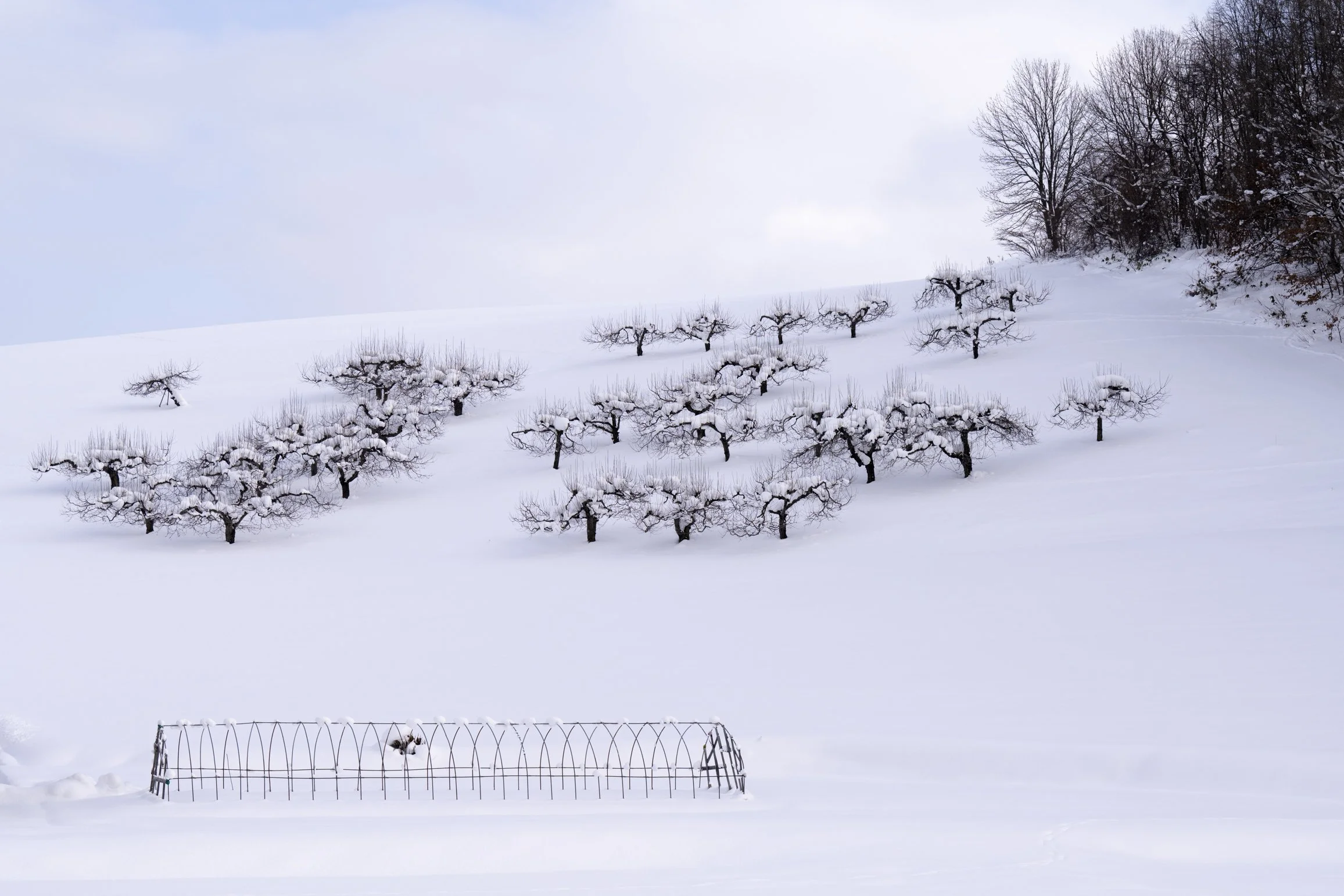
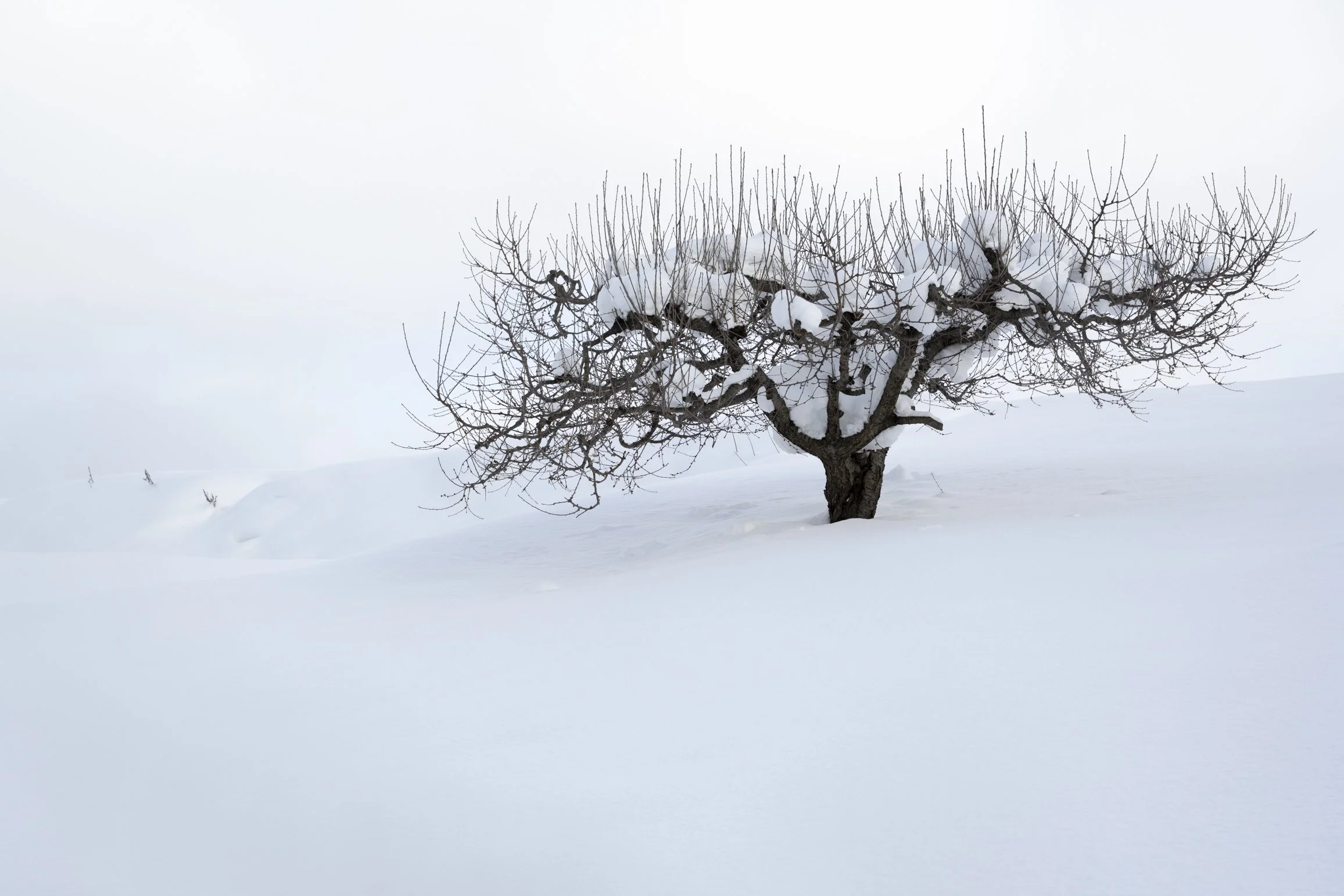
The following day brought a gentler side of winter. Moving through the cherry orchards on snowshoes, we found branches heavily laden with snow, bending under the weight and repeating in ordered lines across the landscape. The soft conditions worked beautifully. Snow simplified the background and revealed the texture of the trunks and branches, turning the orchards into studies of line, contrast, and rhythm.
There was very little colour and almost nothing to distract the eye. The attraction was in the simplicity, a quiet geometry created by agriculture, weather, and winter.
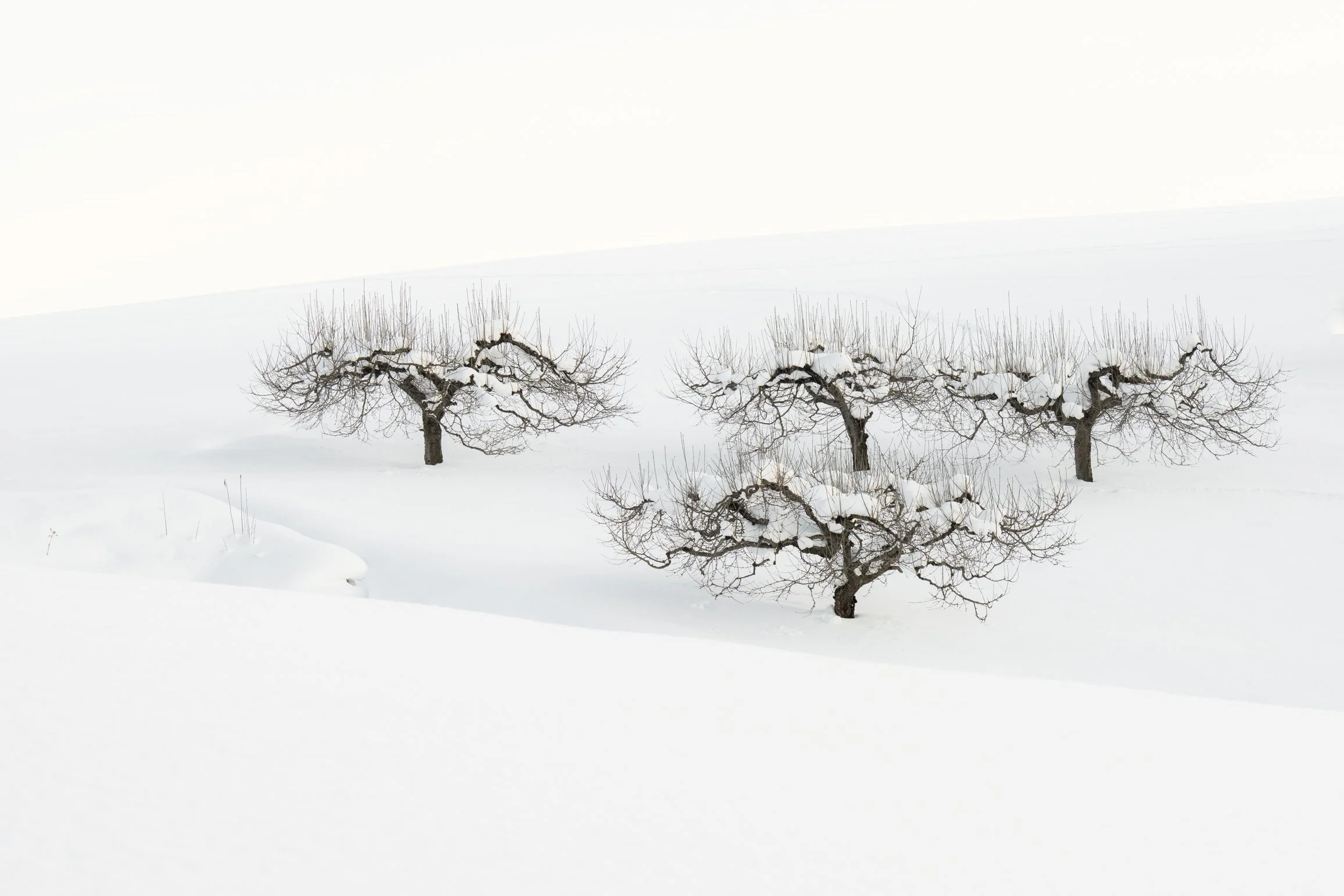
Cherry orchard
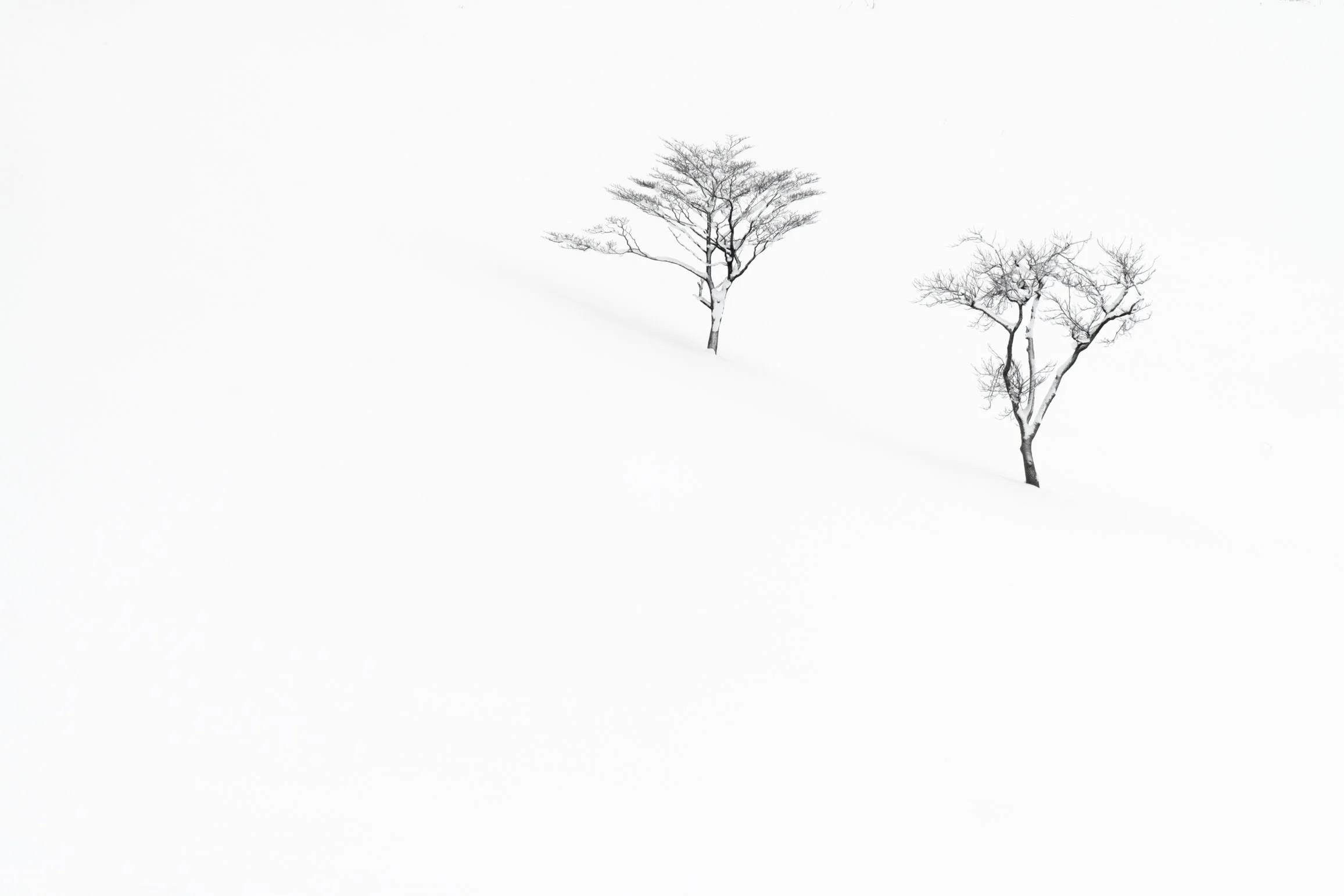
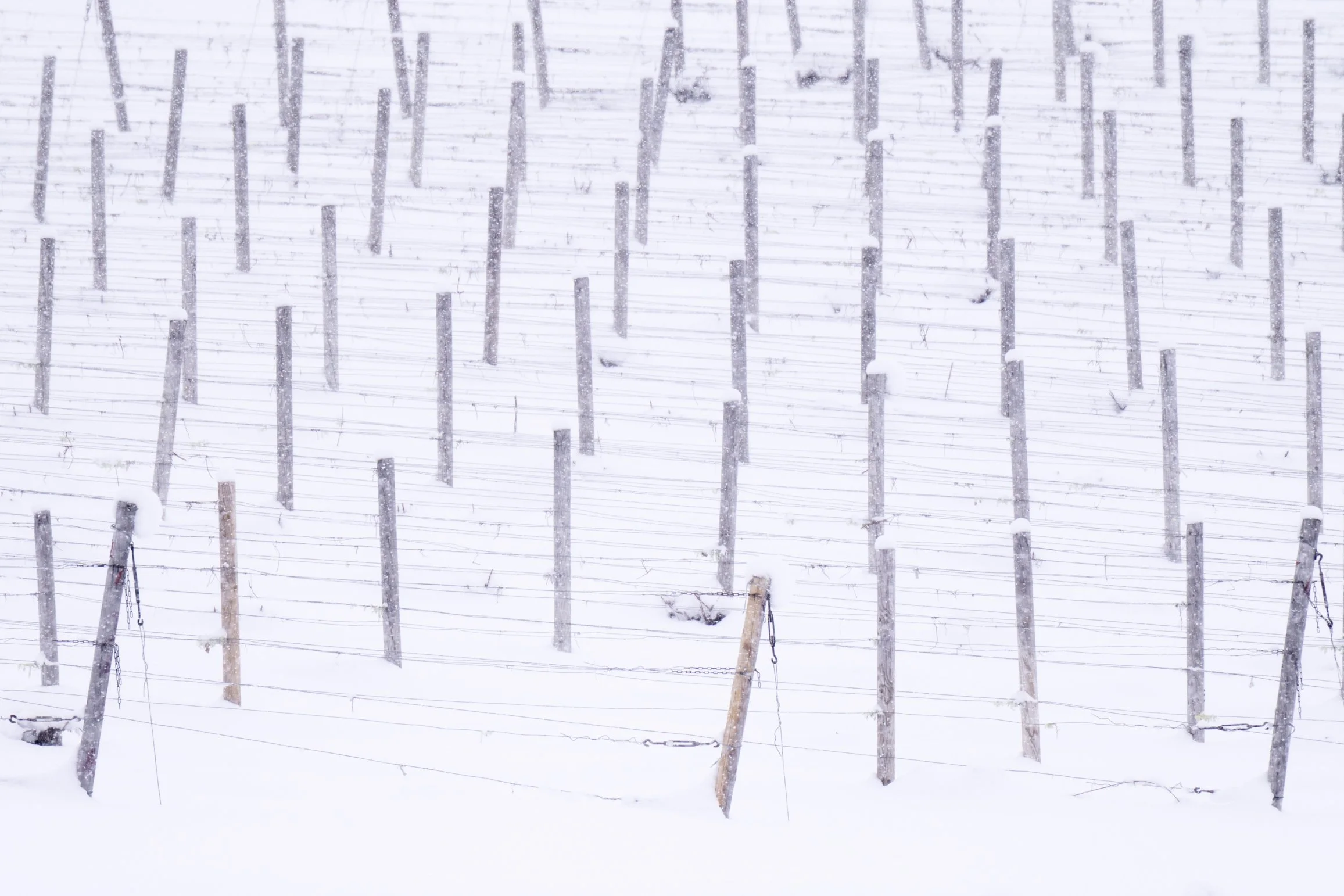
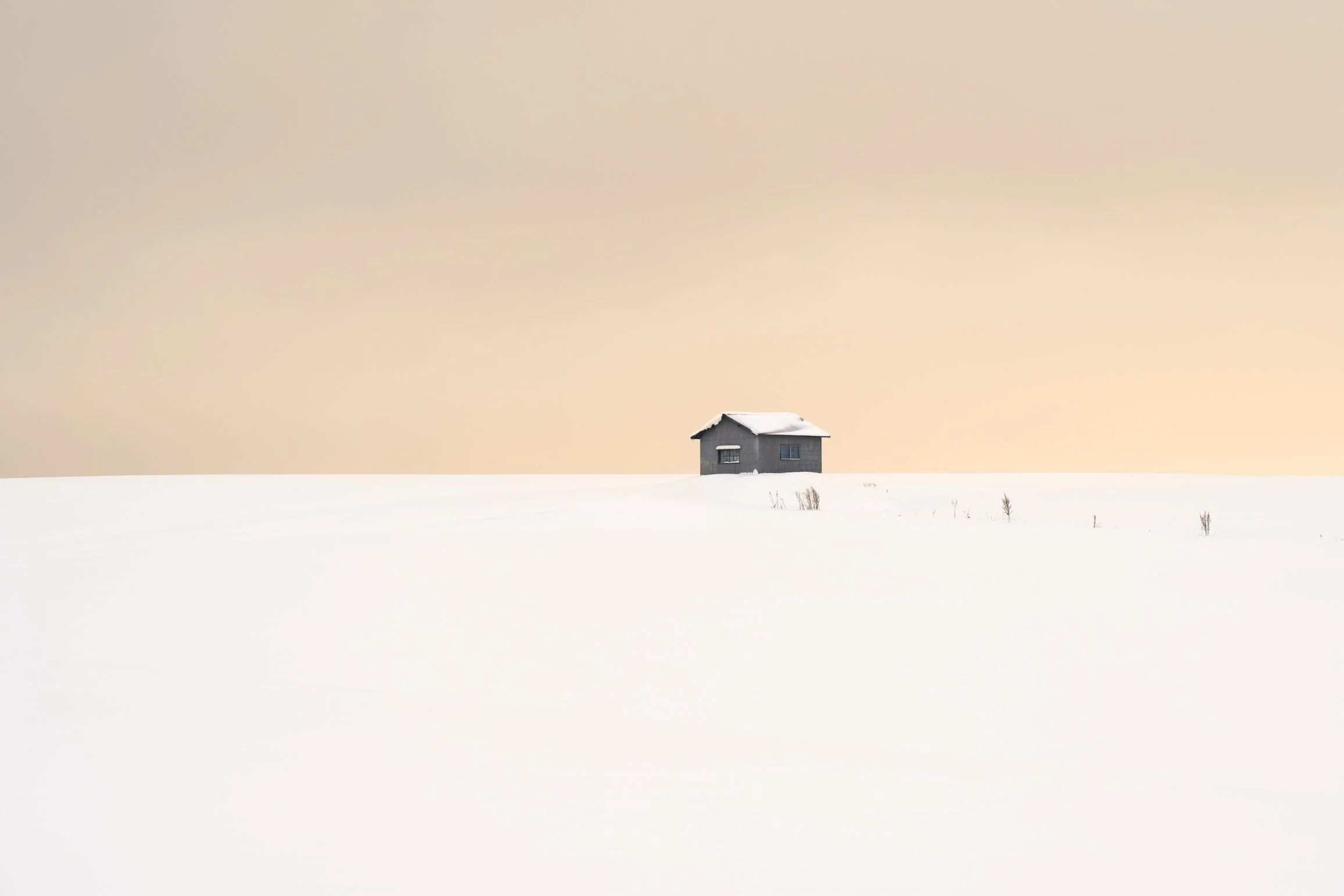
Moving further inland, the scale changed completely. Rolling snow-covered hills stretched into the distance, broken occasionally by trees, farm buildings, and dark rock formations. This was classic Hokkaido winter country, enormous areas of untouched white, soft valleys, and distant ridges changing character as the light moved across them.
The landscape encouraged wider compositions and generous areas of negative space. Human elements became tiny marks within something much larger, which was precisely what made them useful photographically. Sometimes a landscape does not need embellishment; this was one of those places.
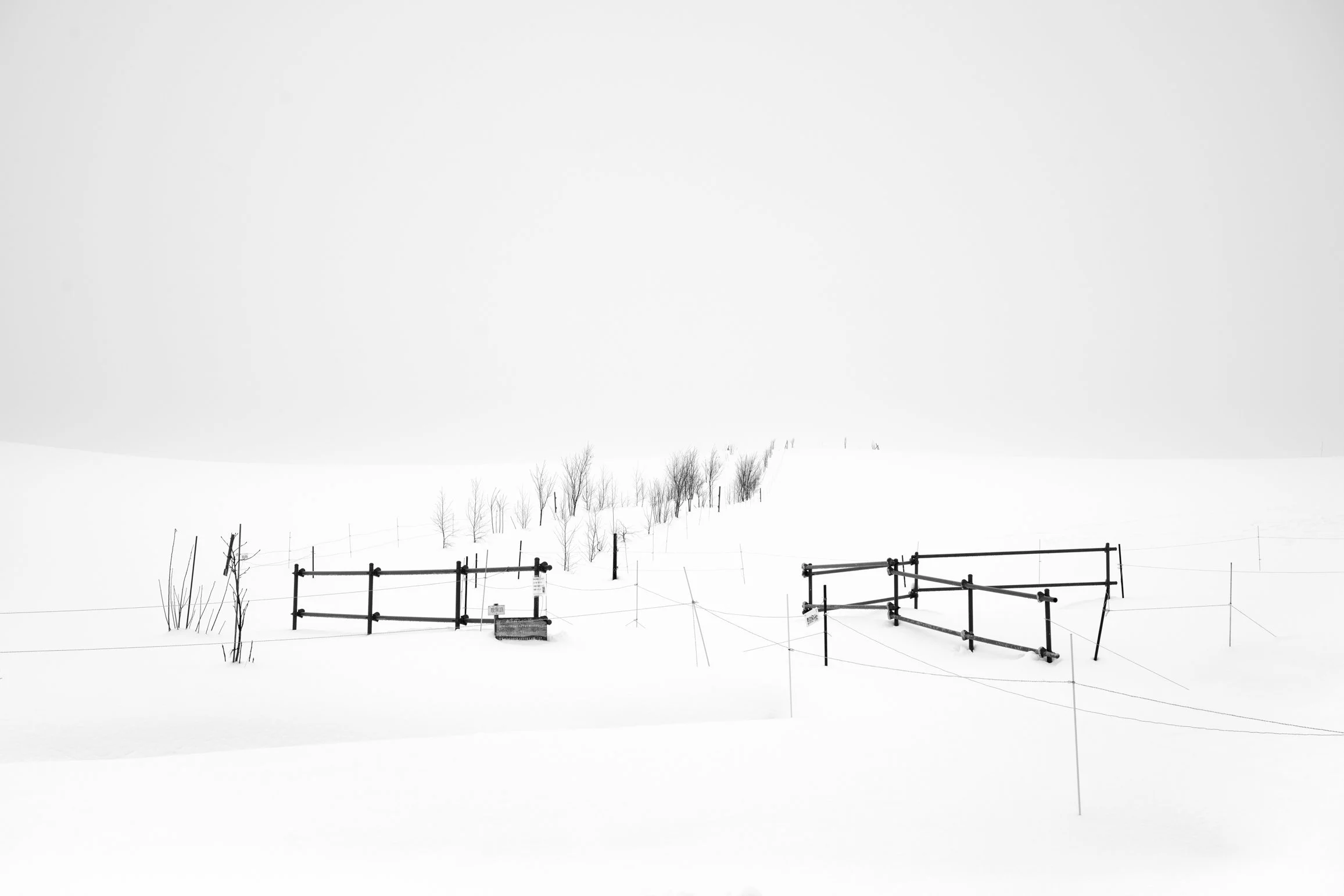
Dairy Farm
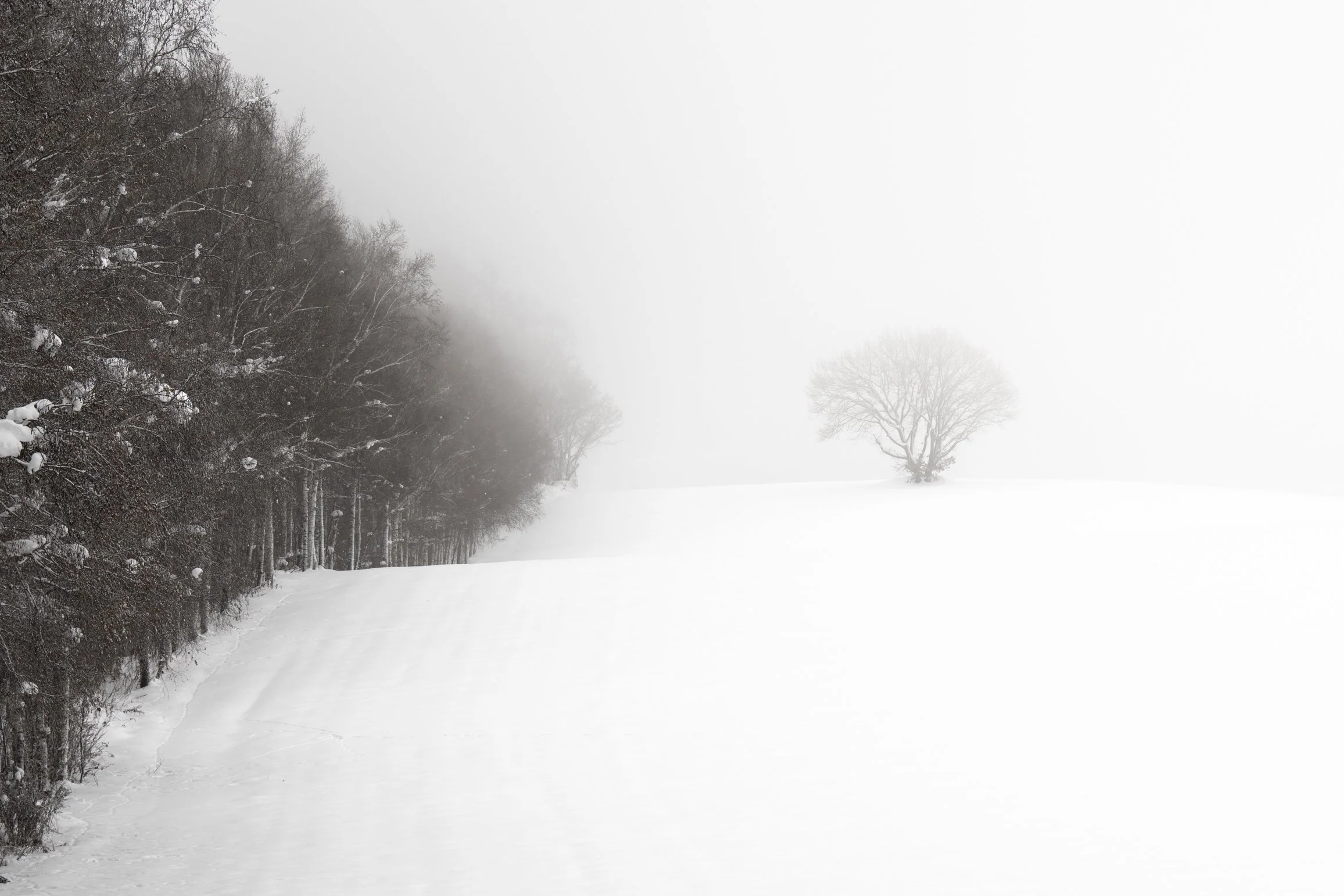
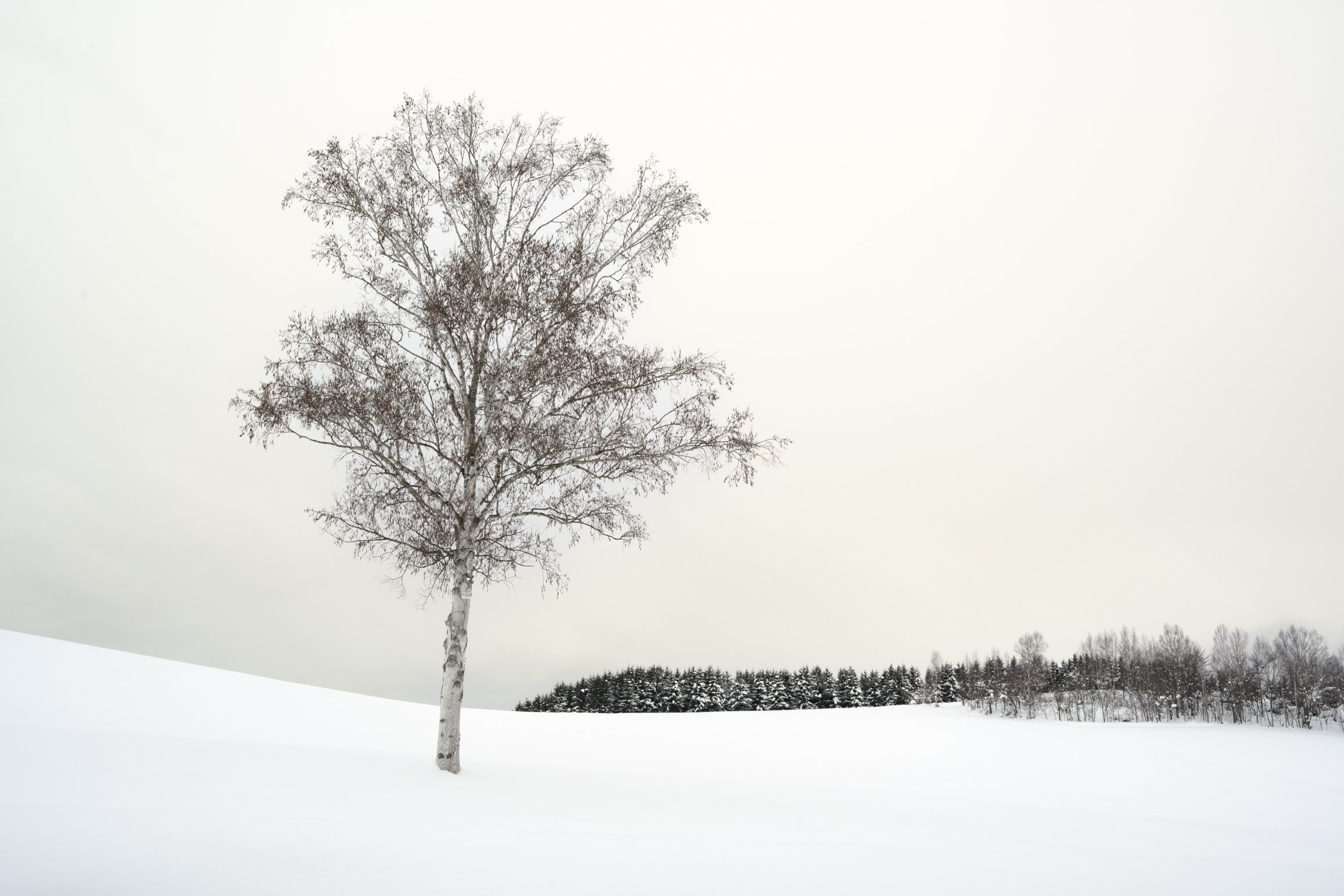
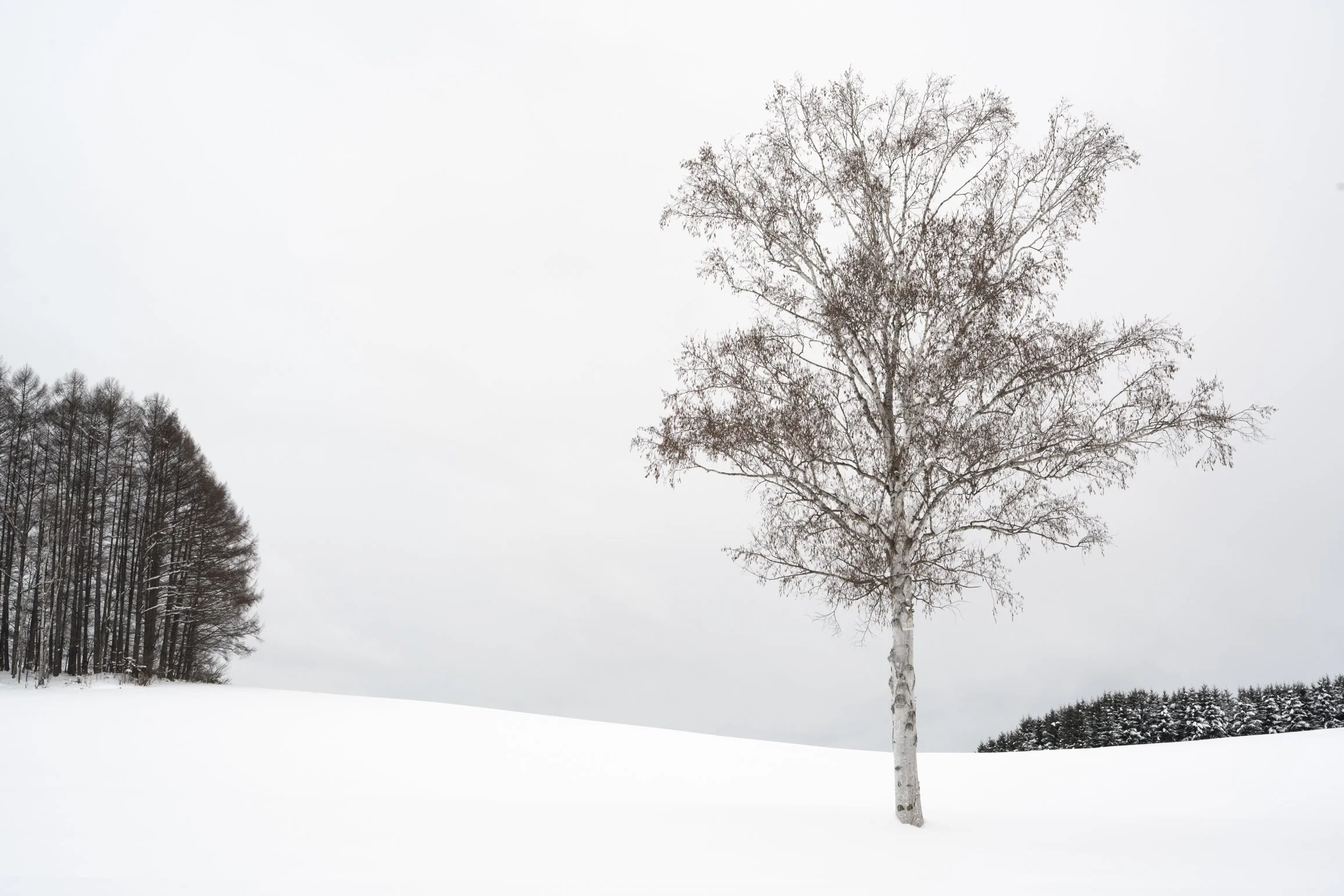
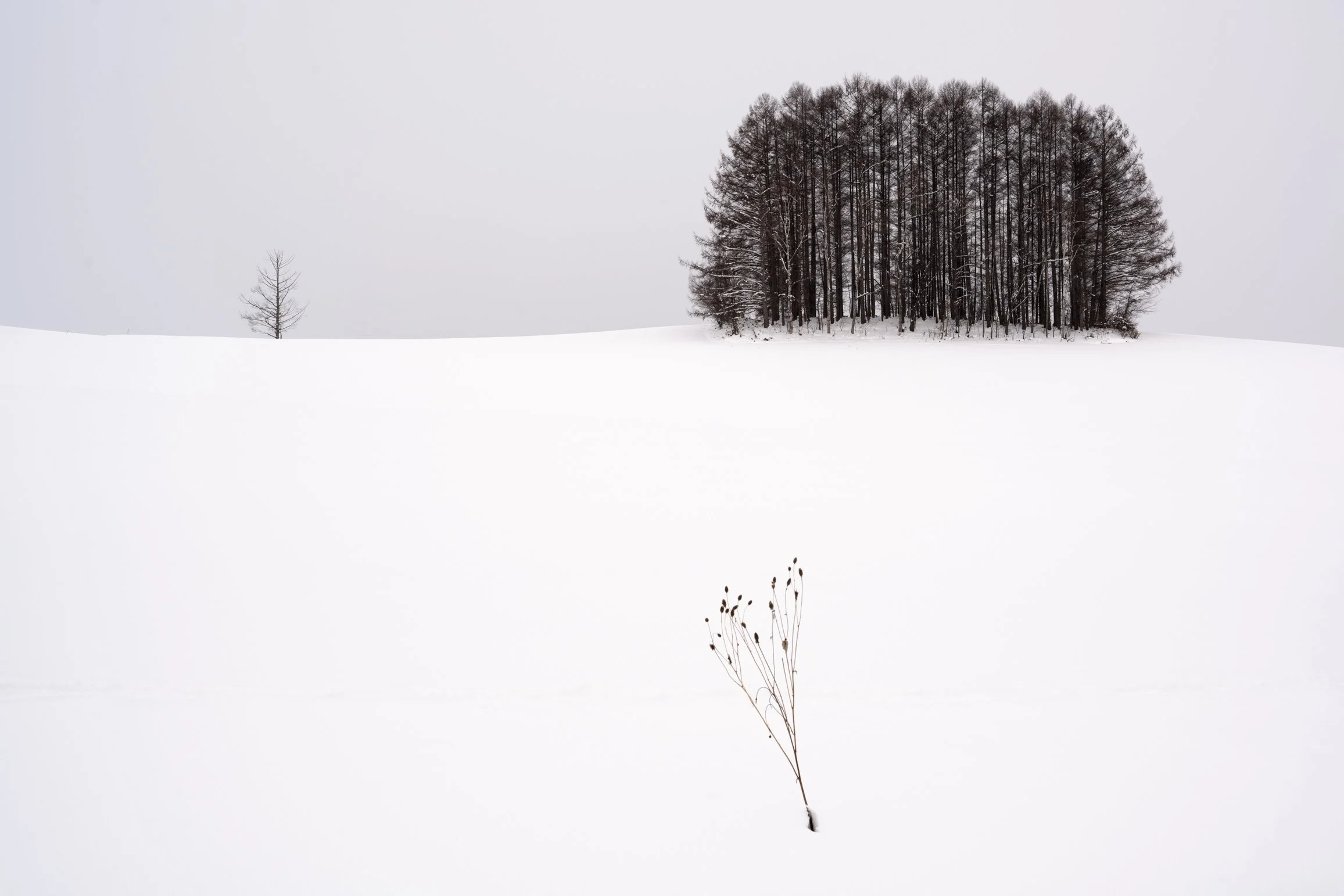
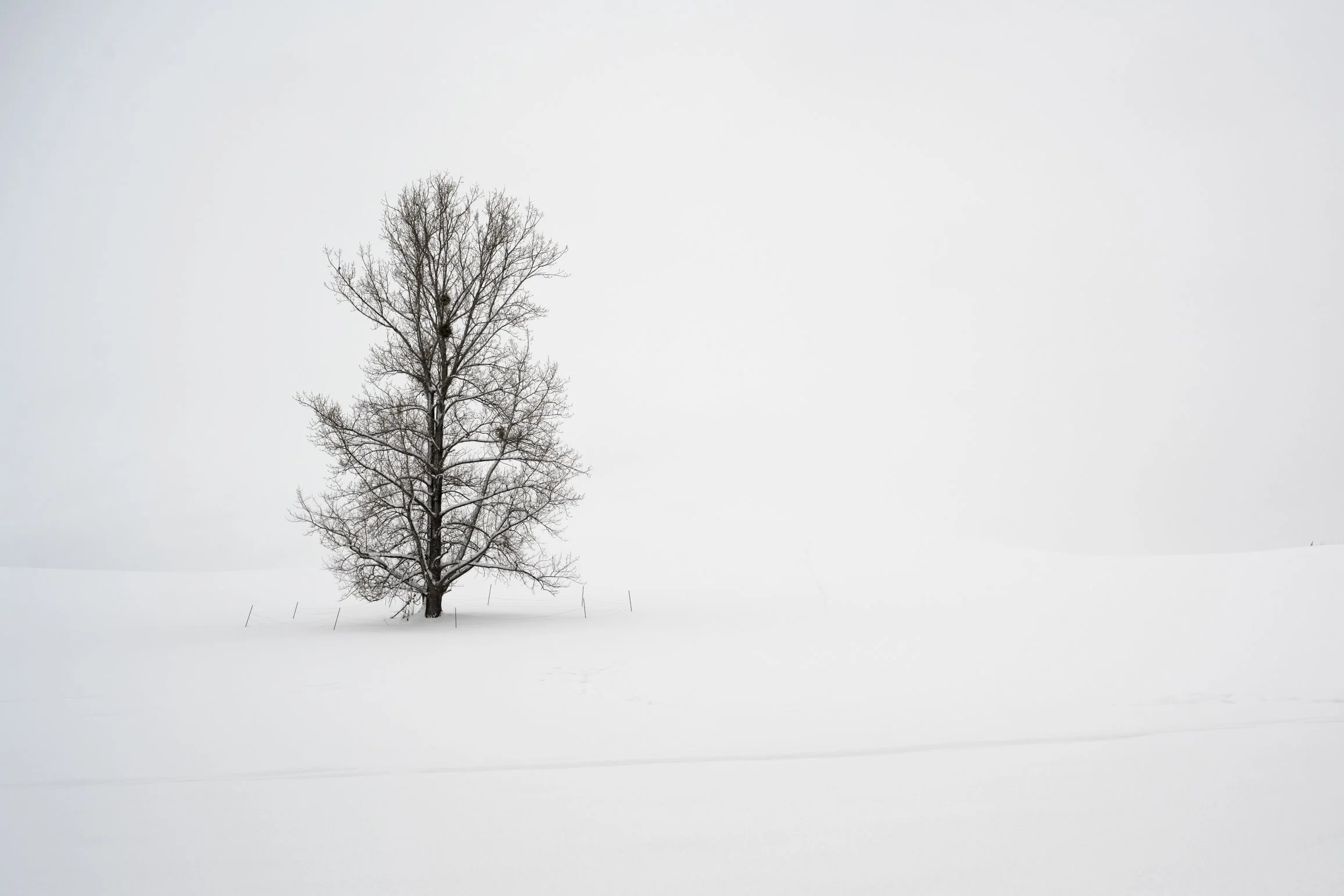
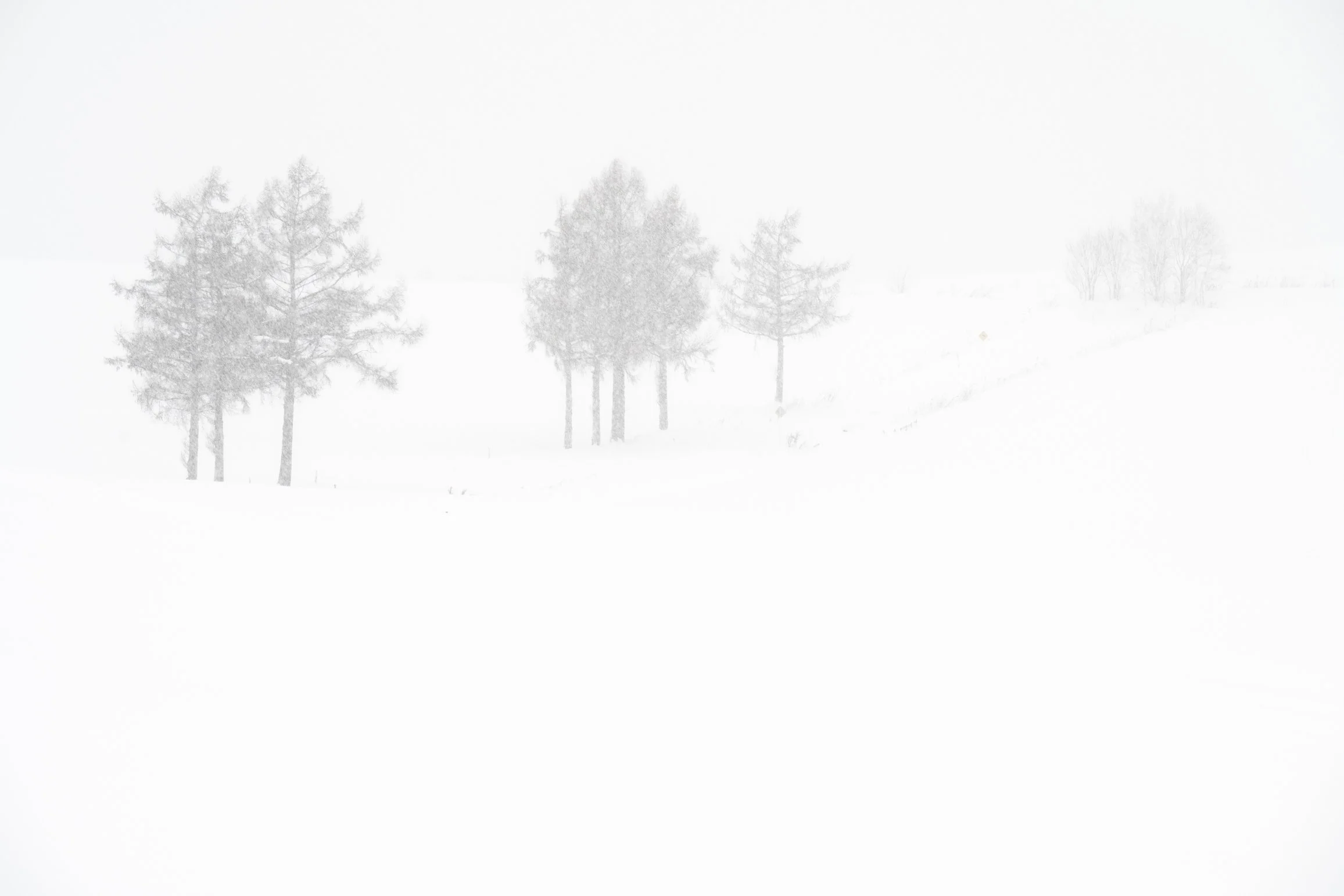
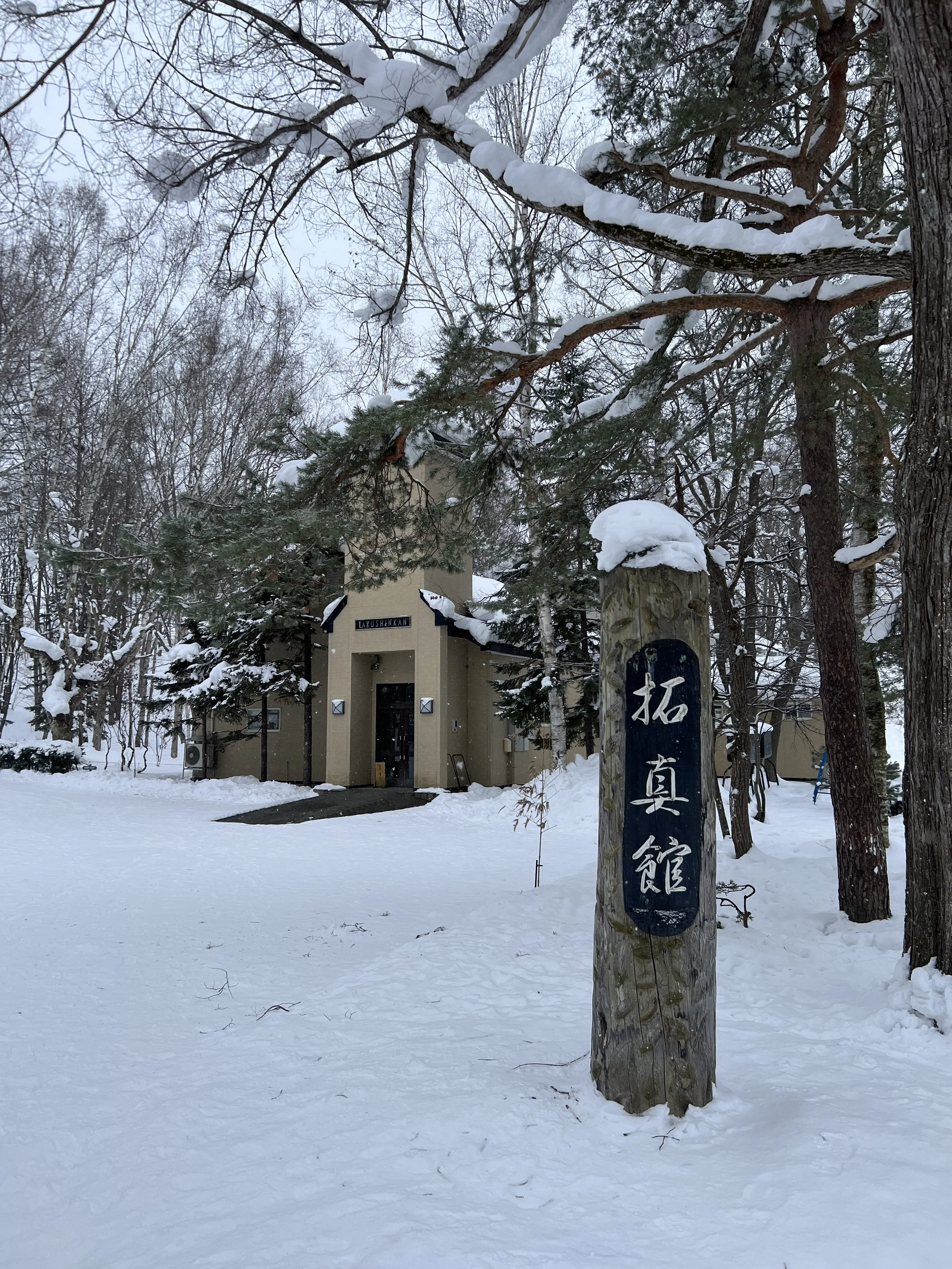
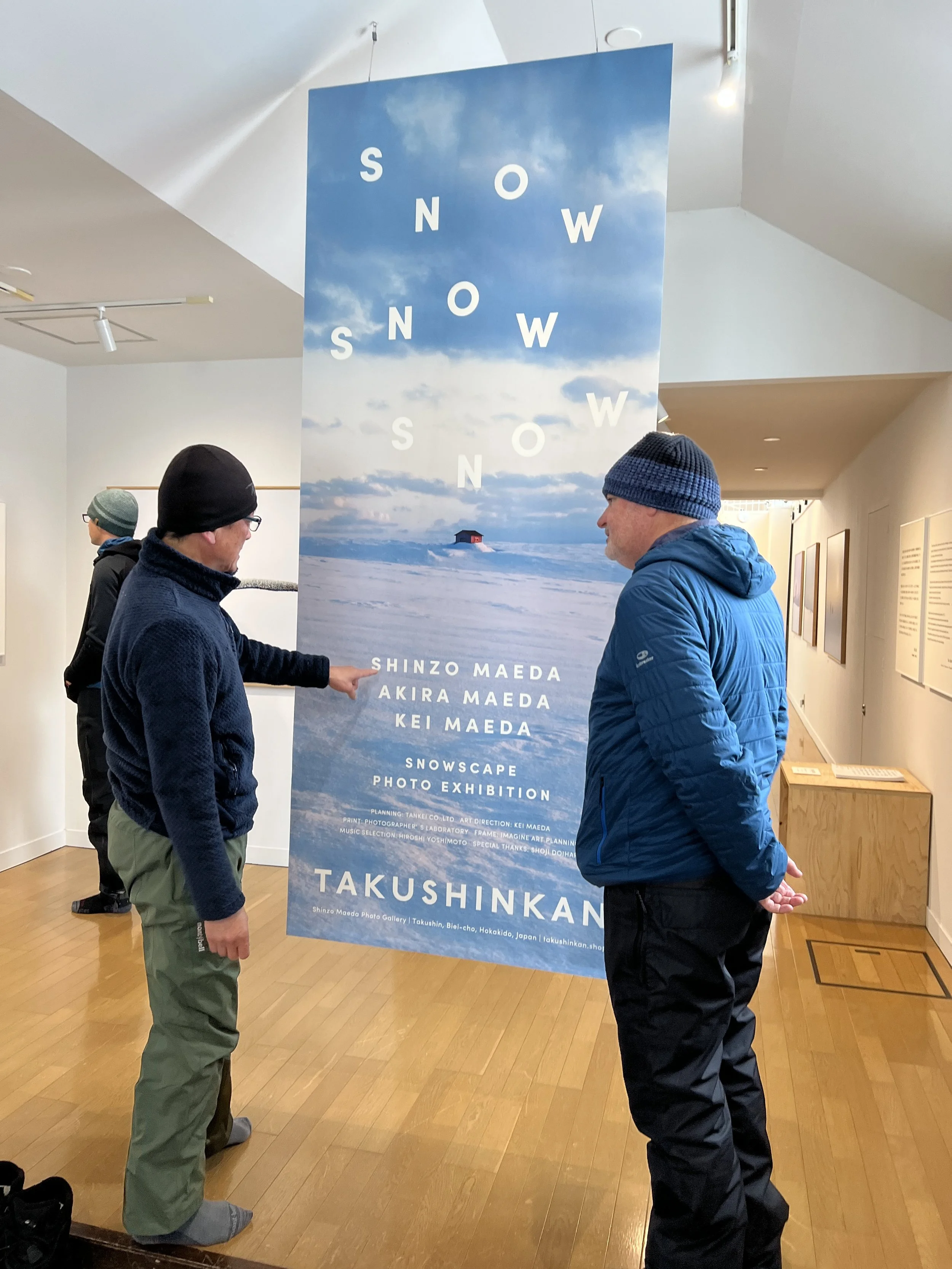
On our second morning in the area we again arrived before sunrise. As the first light appeared, the snow-covered hills slowly emerged from the darkness, giving us a brief opportunity to photograph before continuing to Takushinkan. Opened in 1987, Takushinkan celebrates the work of Japanese landscape photographer Shinzo Maeda, whose photographs helped shape the way Biei and Hokkaido became known to photographers around the world.
Visiting the gallery was something of a pilgrimage. Maeda's work is a reminder of the value of simplicity, observation, and a long relationship with place. Before leaving, we gathered among the famous silver birch trees surrounding the gallery for a group photograph. Not exactly fine art, perhaps, but some photographs are important for entirely different reasons.
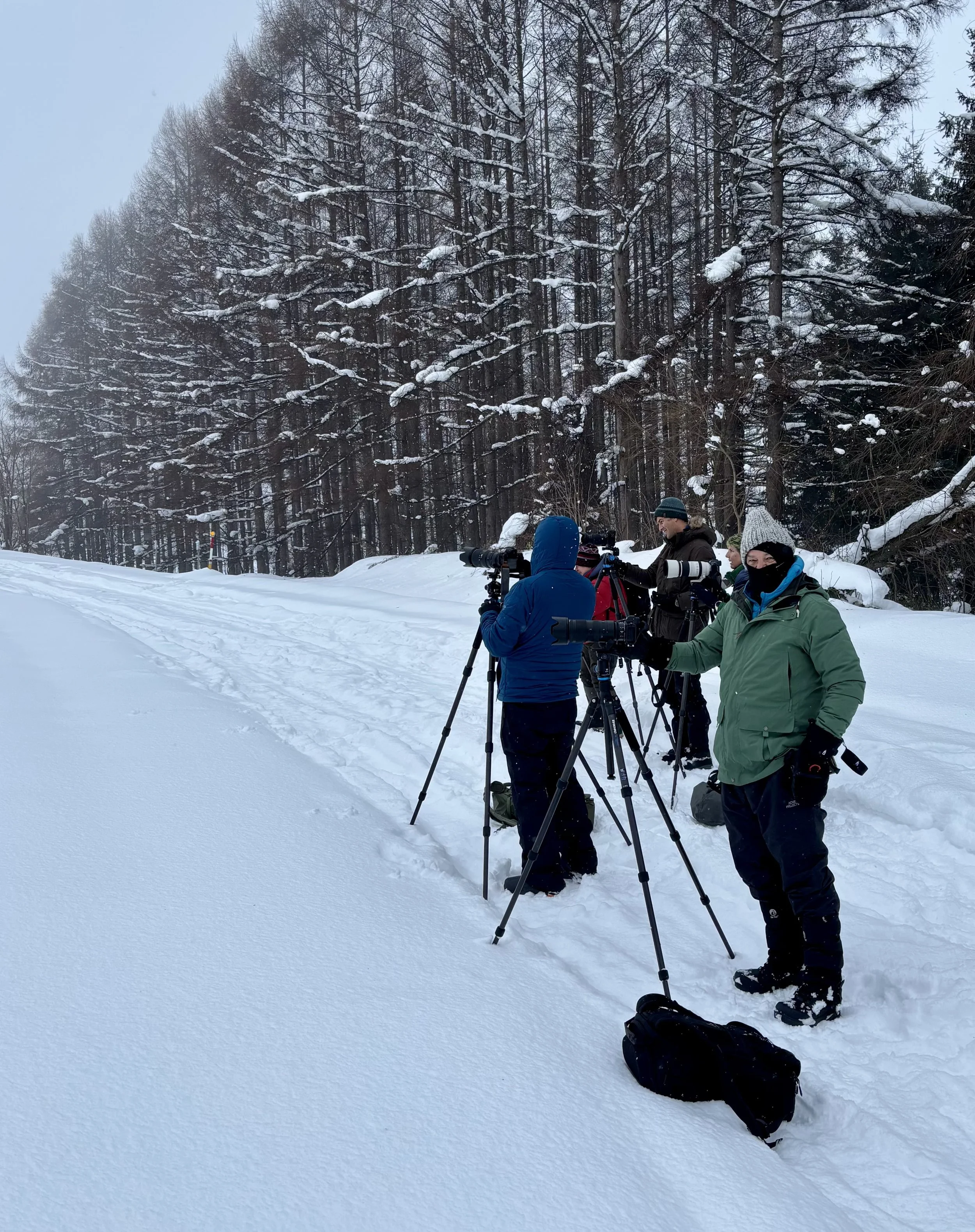
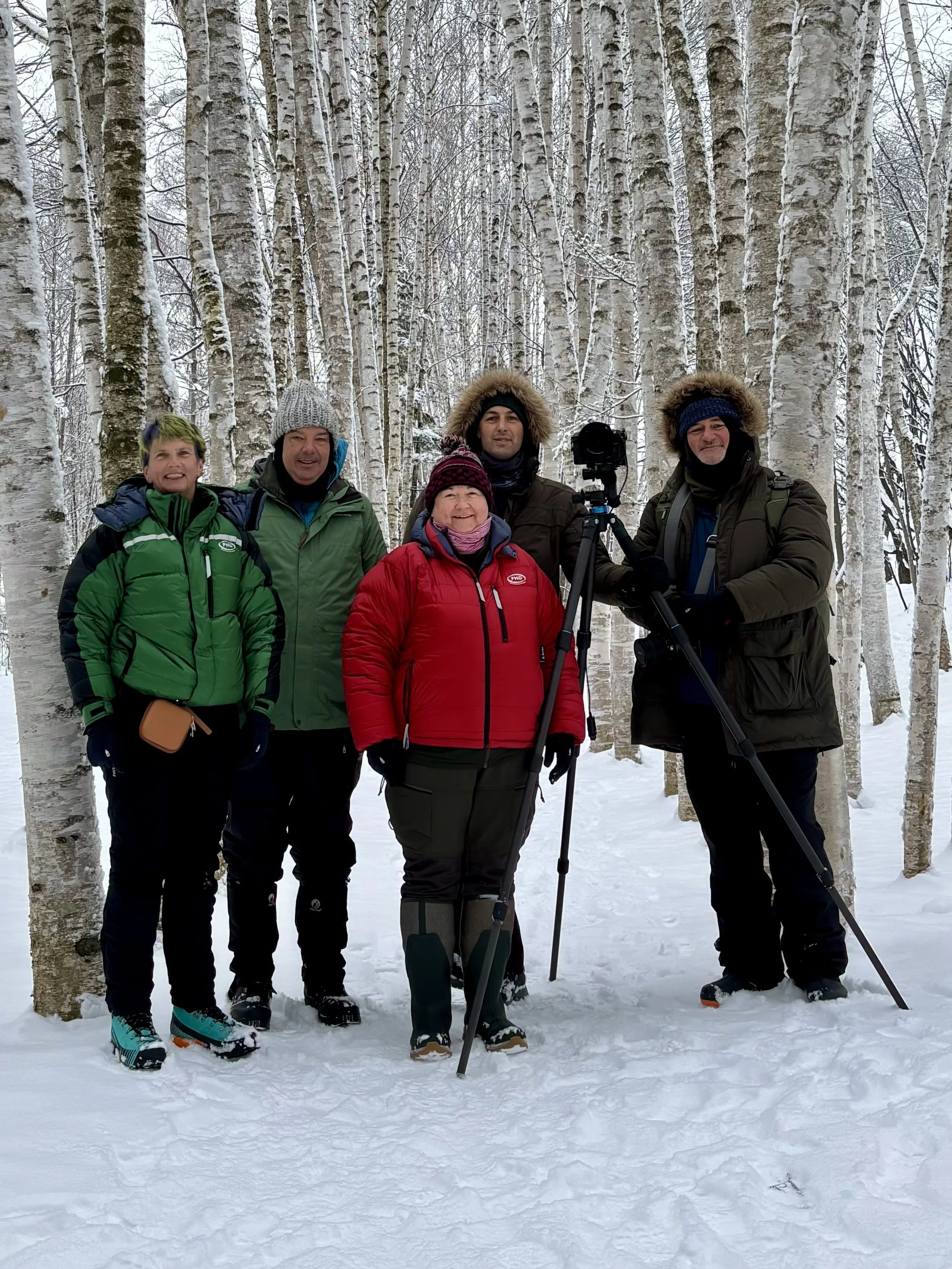
Hokkaido tour party with team leader Richard Young from NZPW
Travelling east towards Lake Akan and Lake Kussharo, Hokkaido became quieter and more elemental. Vast frozen lakes, geothermal steam, and open horizons created landscapes with very few obvious reference points. Colour was limited, so compositions depended increasingly on balance, scale, and the relationship between ice, water, and sky. The cold here felt different, too, deeper and somehow more serious. Standing beside an enormous frozen lake before dawn has a remarkably effective way of concentrating the mind.
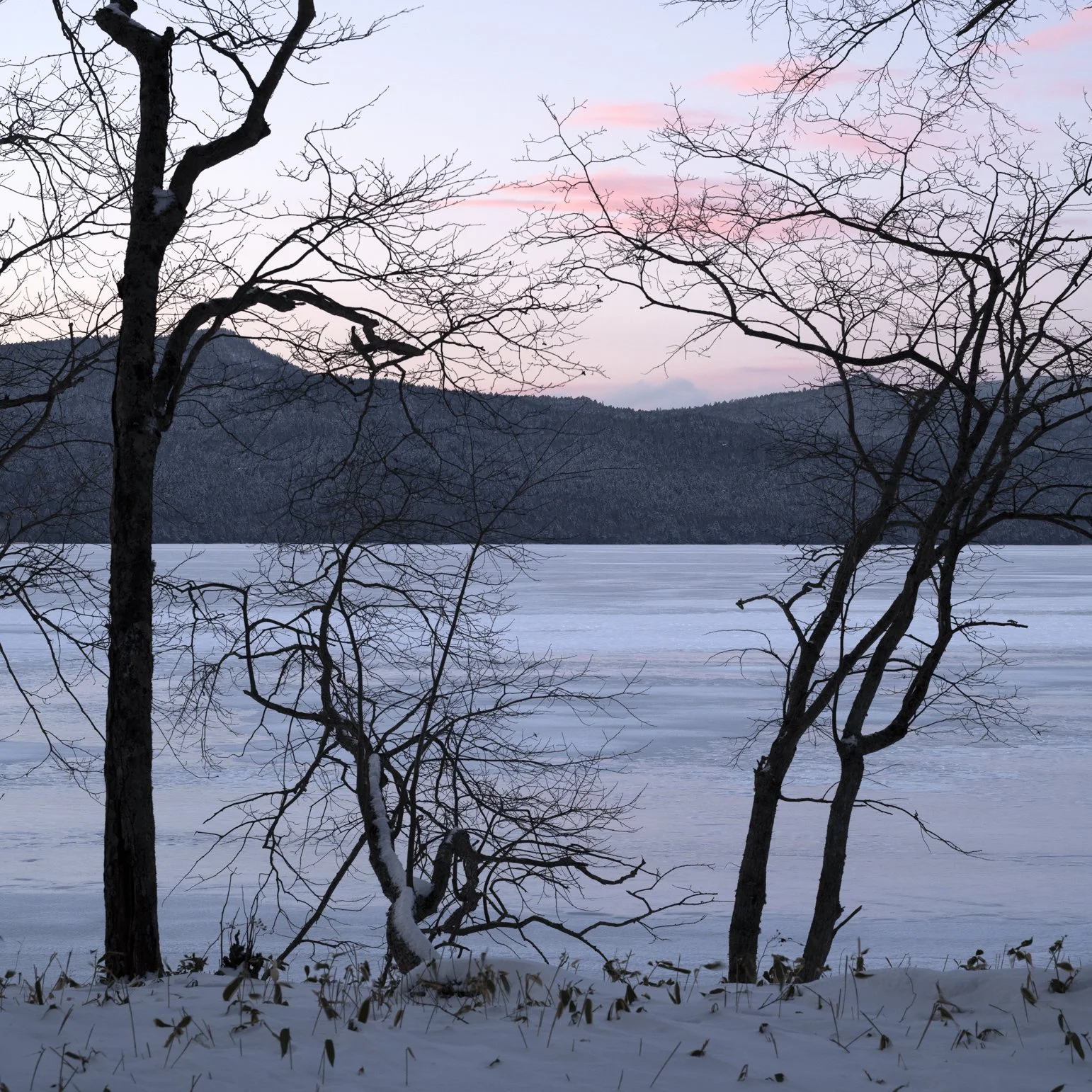
Lake Kussharo
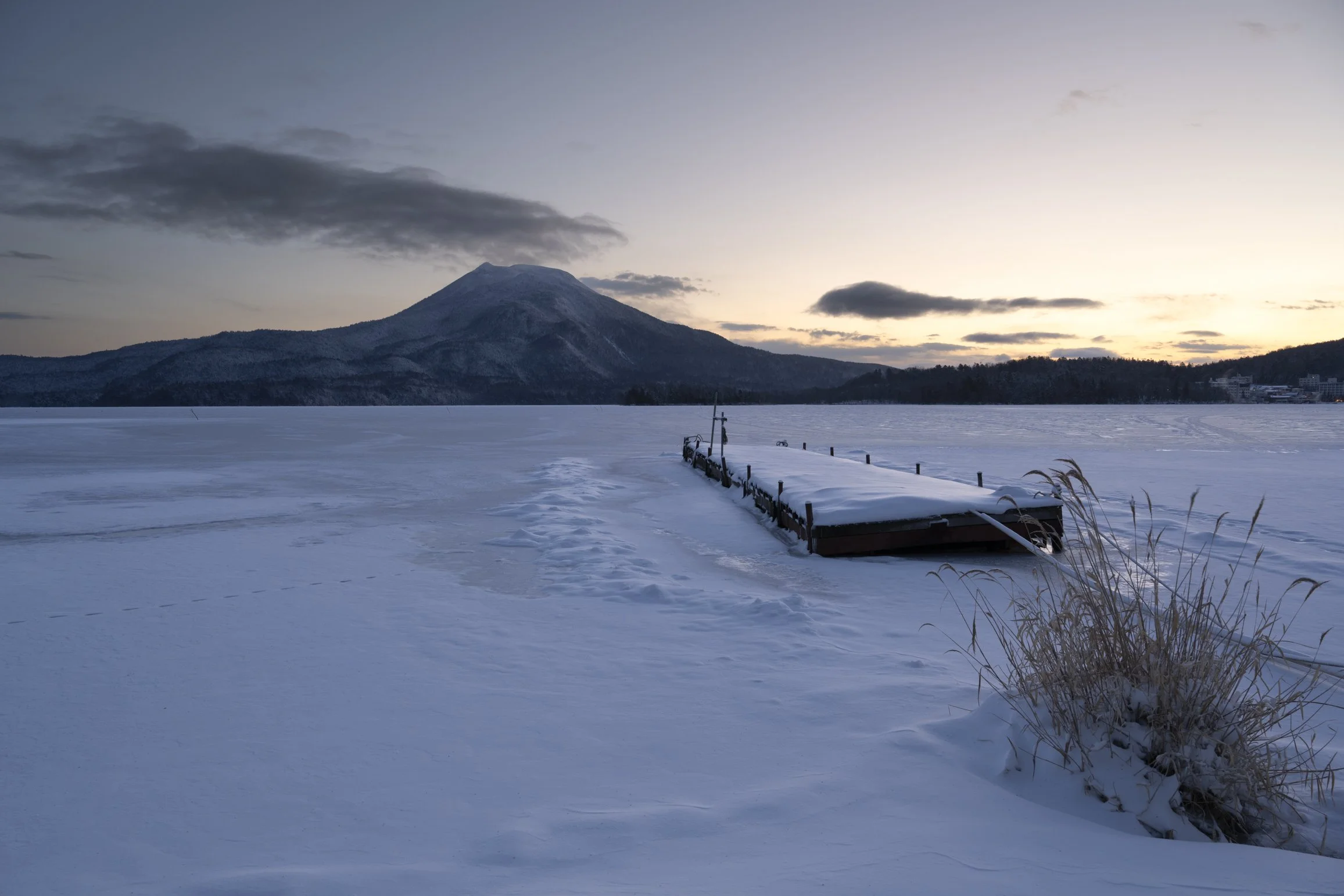
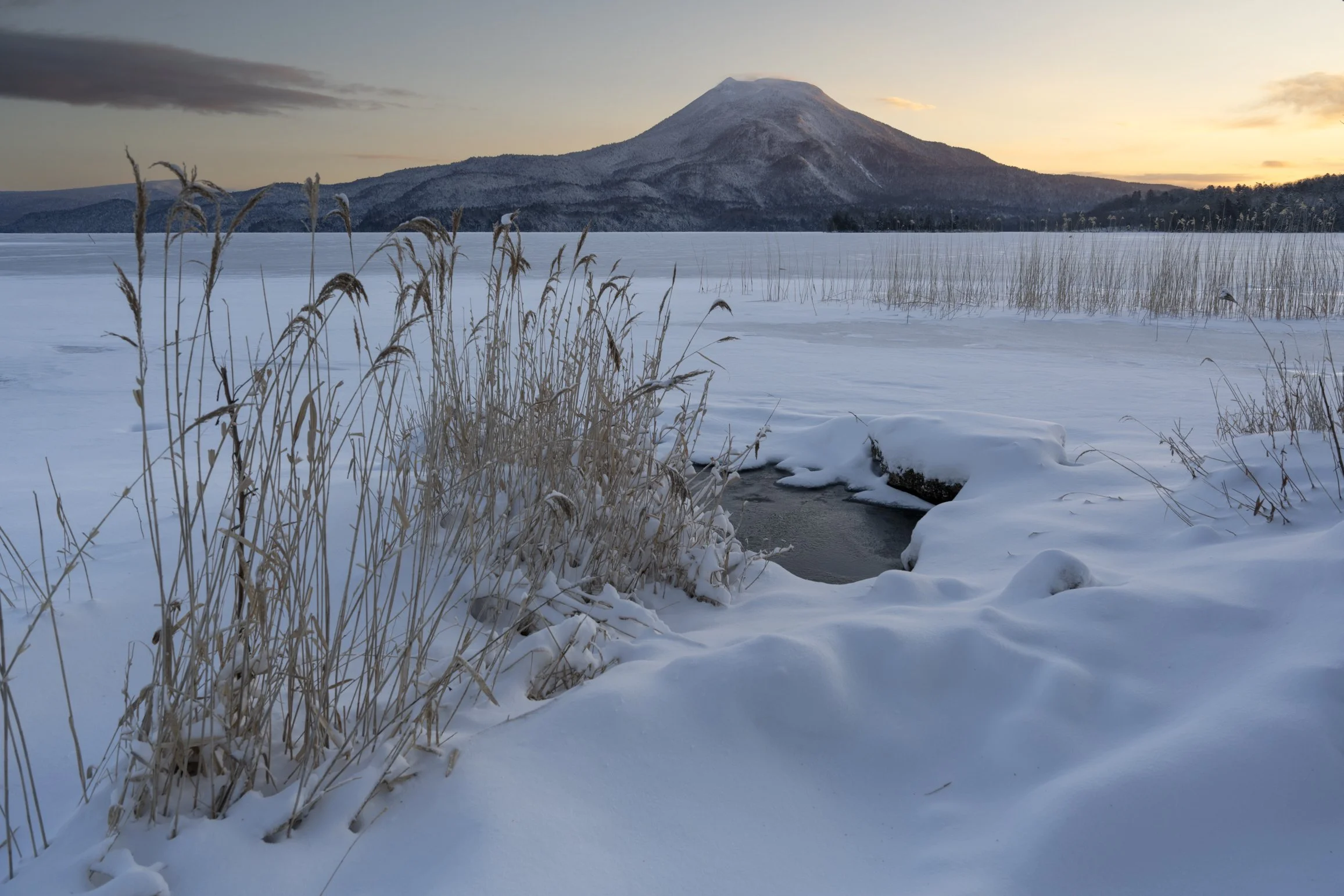
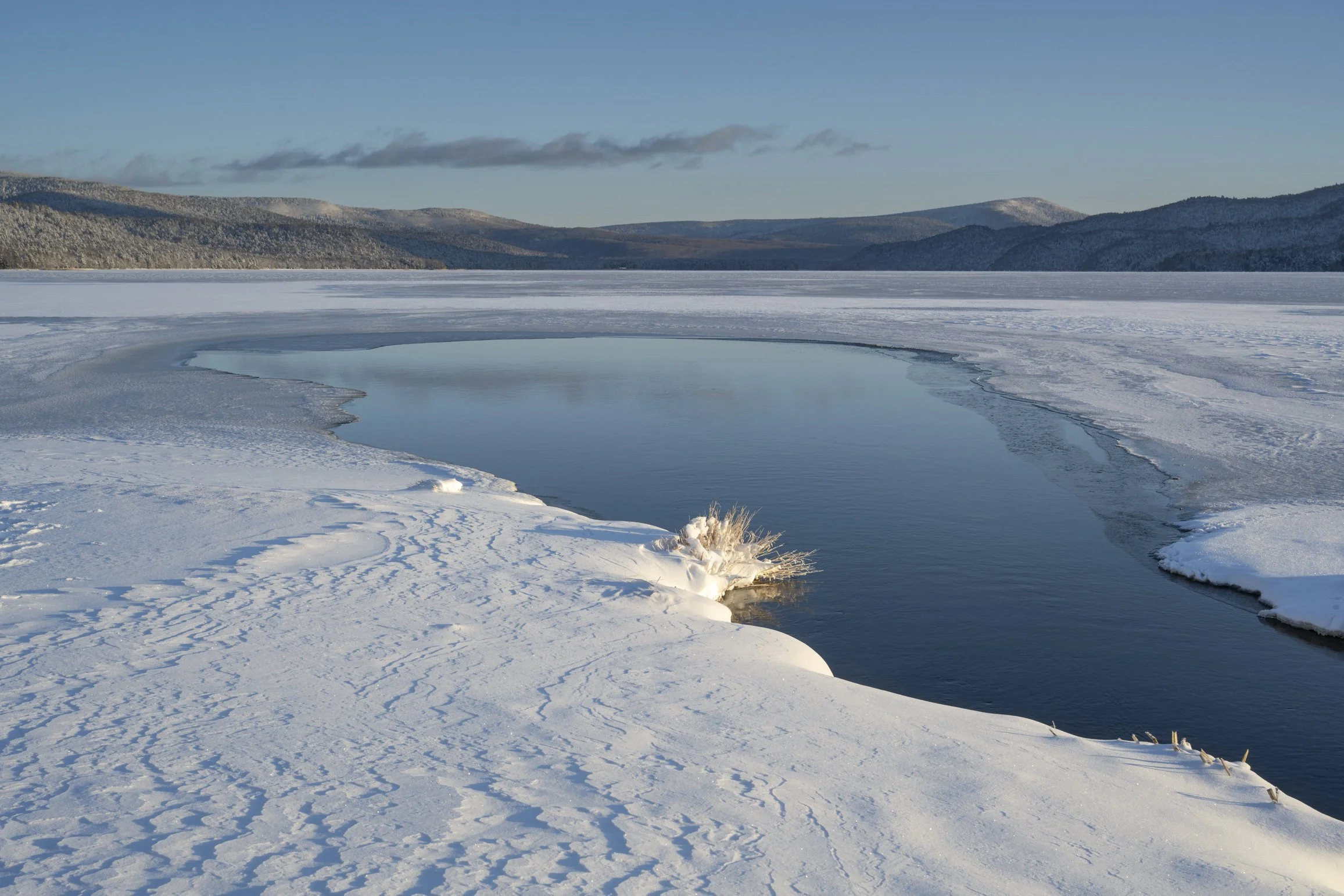
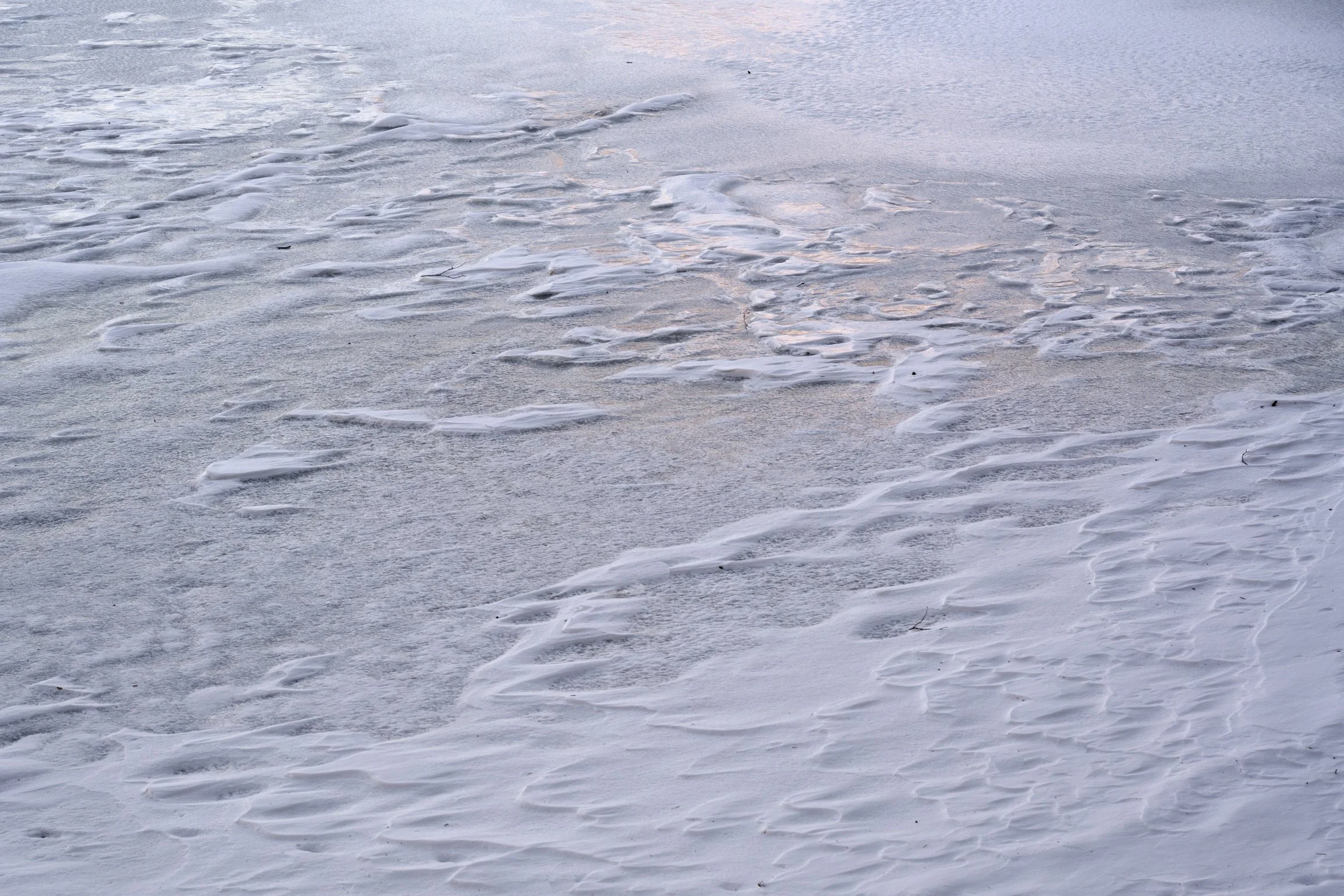
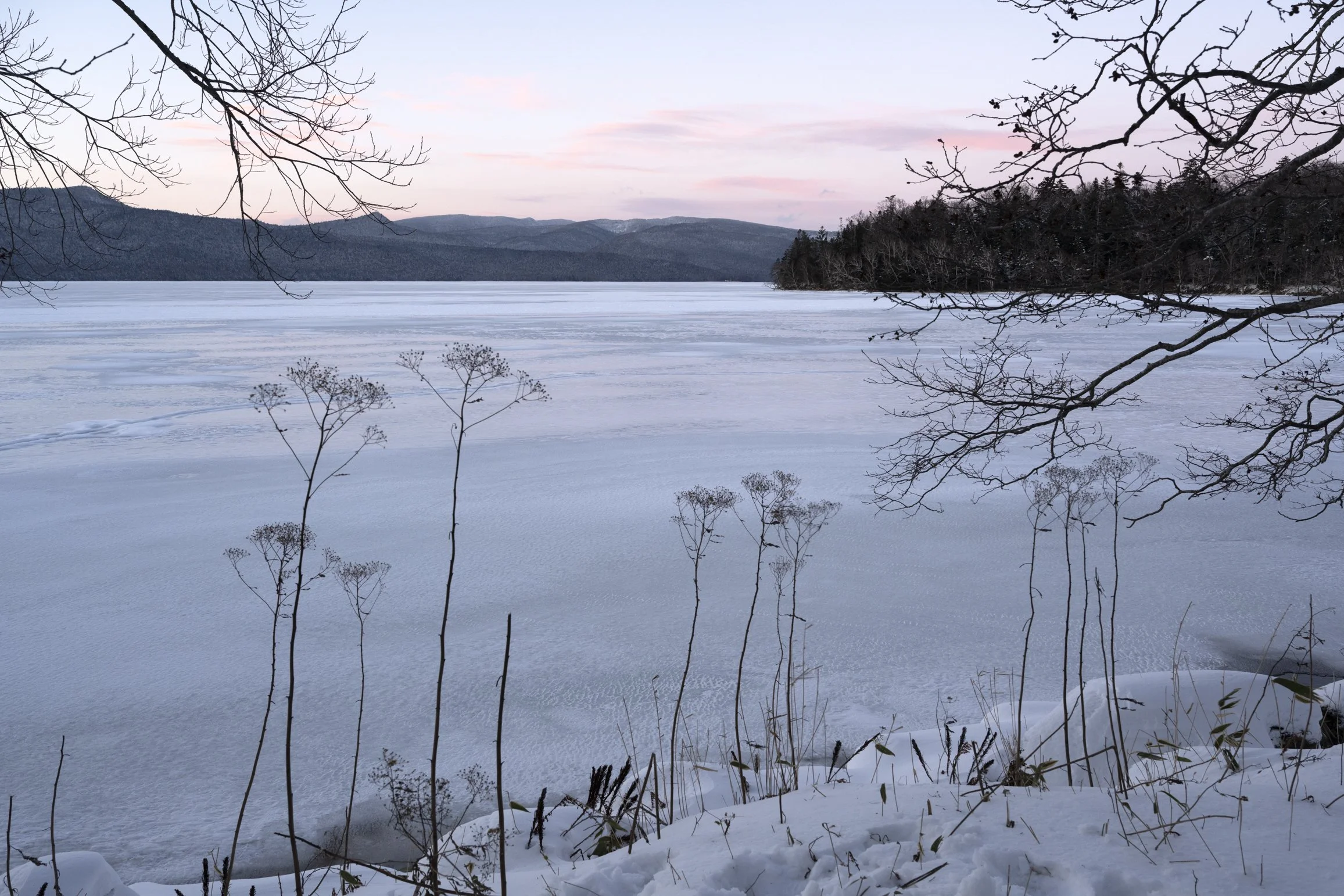
The following morning, we returned to Lake Kussharo in complete darkness and waited beside the water for the first sign of light. This time, Hokkaido delivered. Soft pink and orange light spread gradually across the sky and reflected from the water. Wildlife began moving through the scene as the morning developed, introducing just enough movement and scale without disturbing the extraordinary calm. For a brief period, light, landscape, and wildlife simply came together. These are the mornings photographers remember, and the reason alarms set at thoroughly unreasonable hours are eventually forgiven.
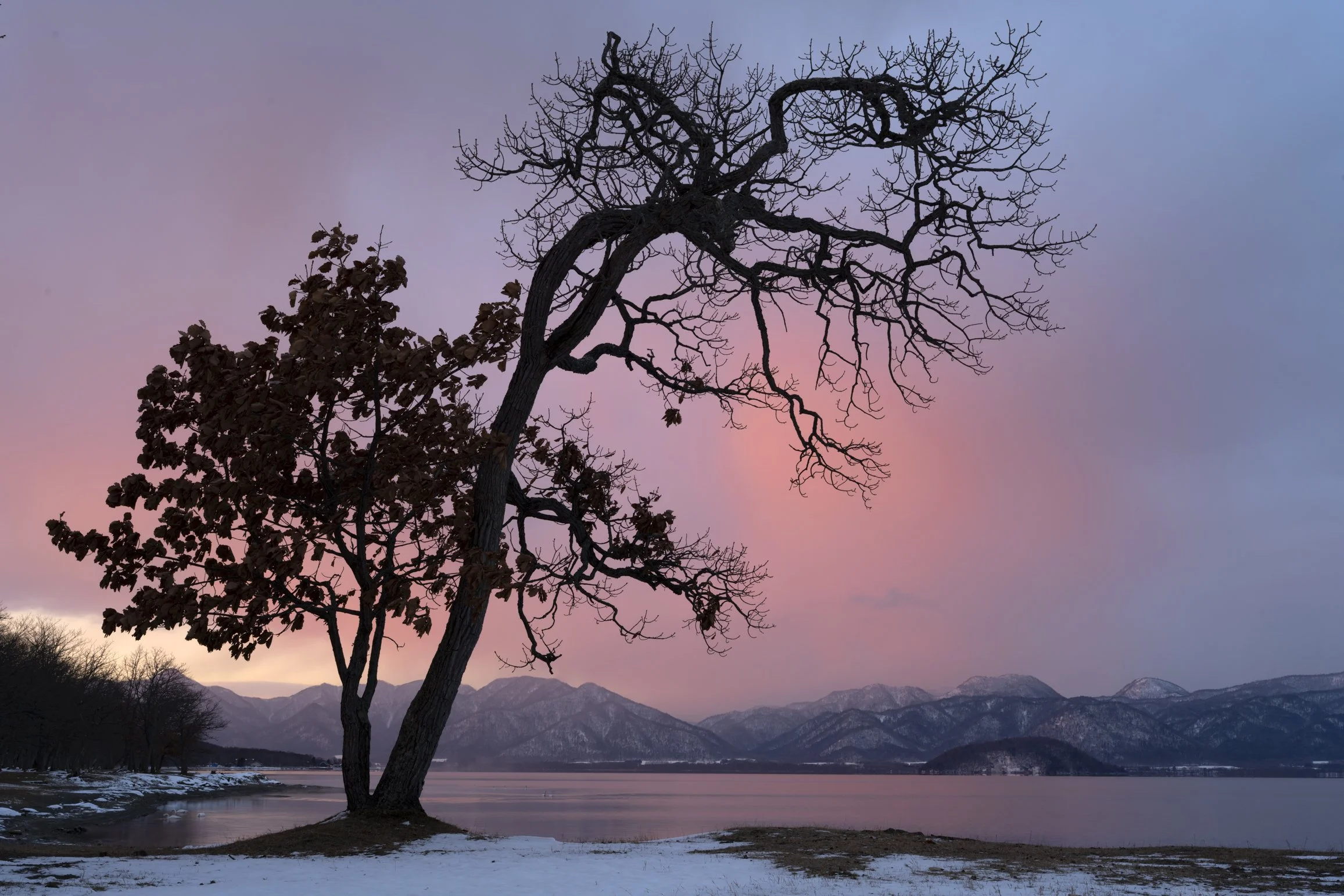
Lake Kussharo sunrise
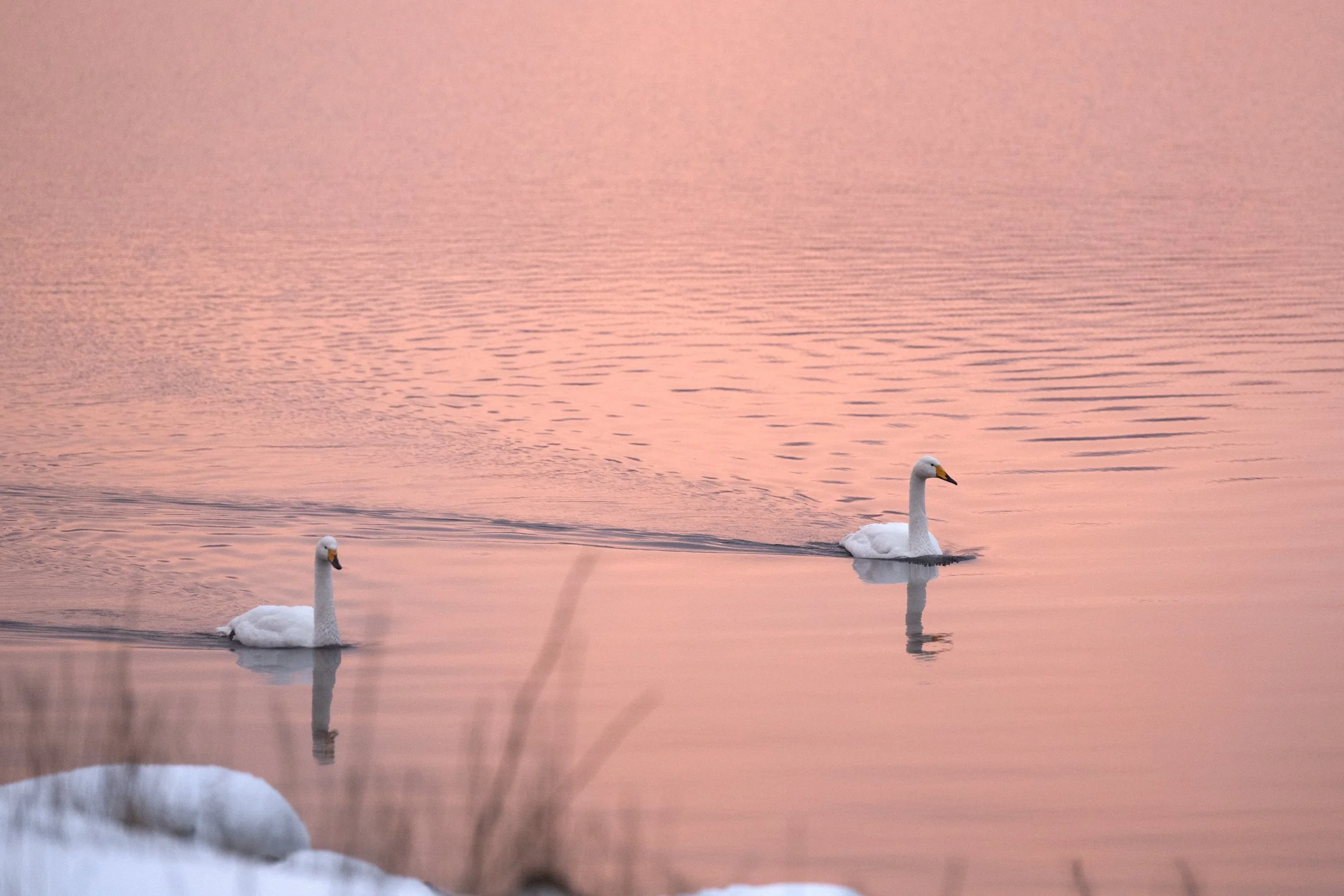
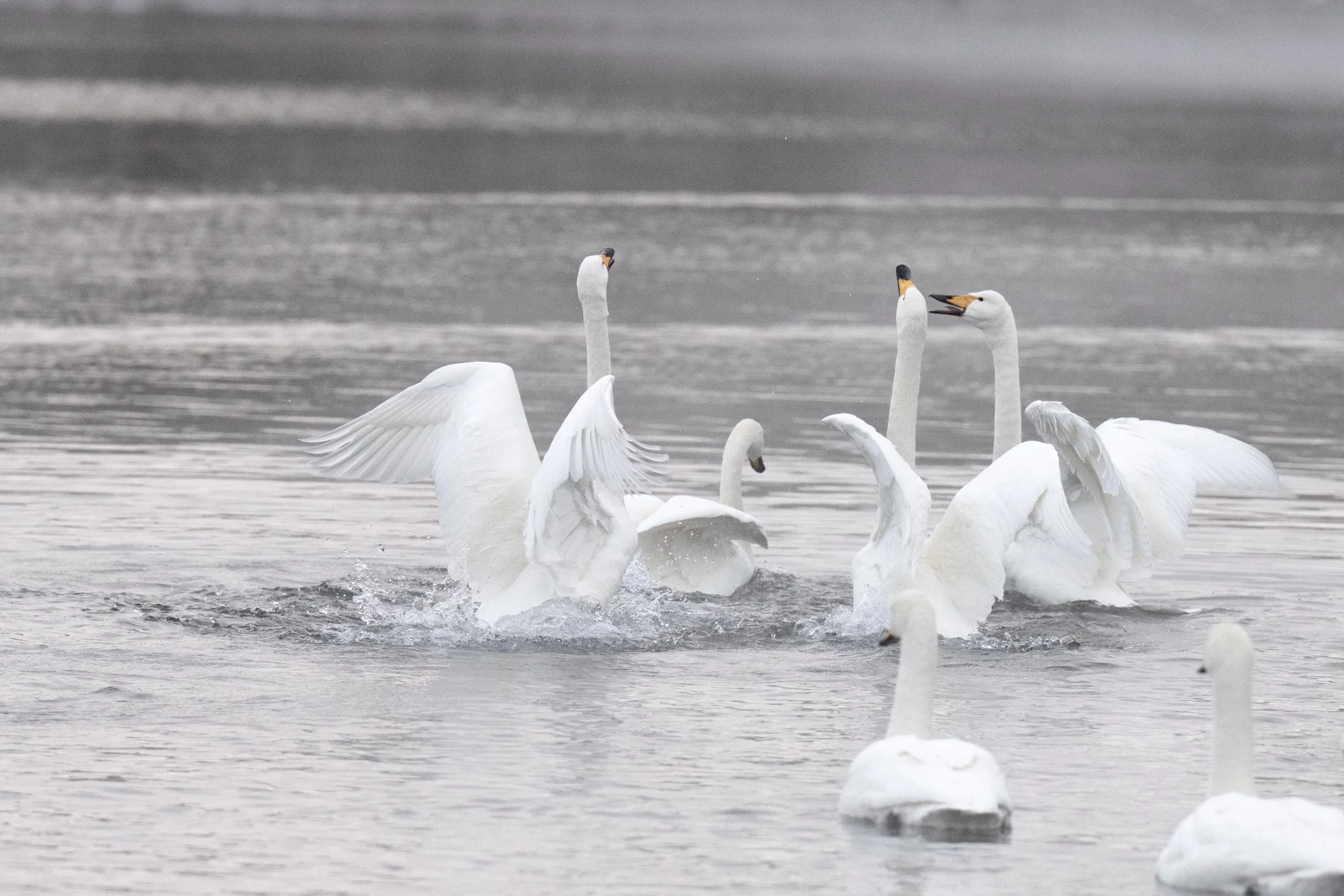
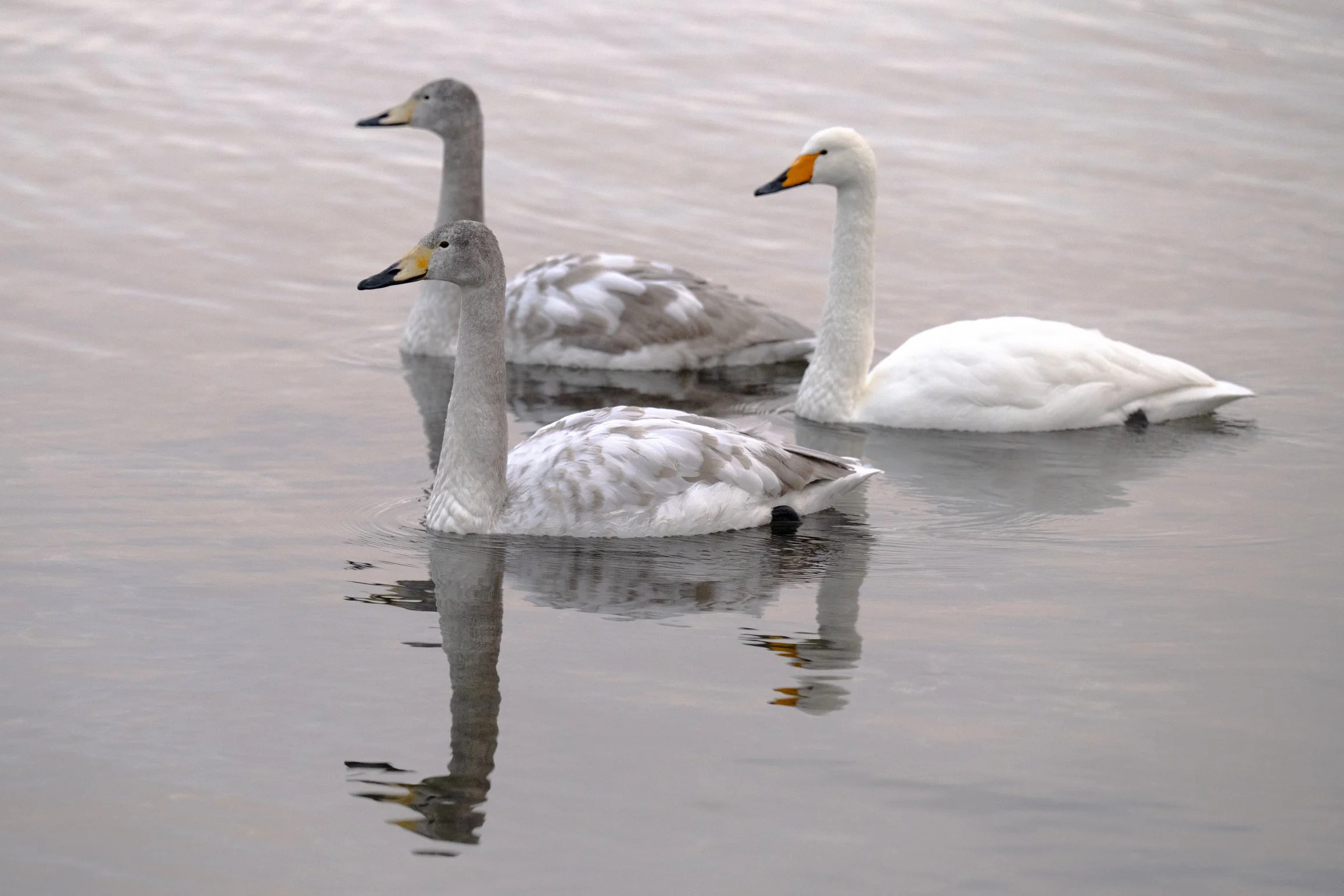
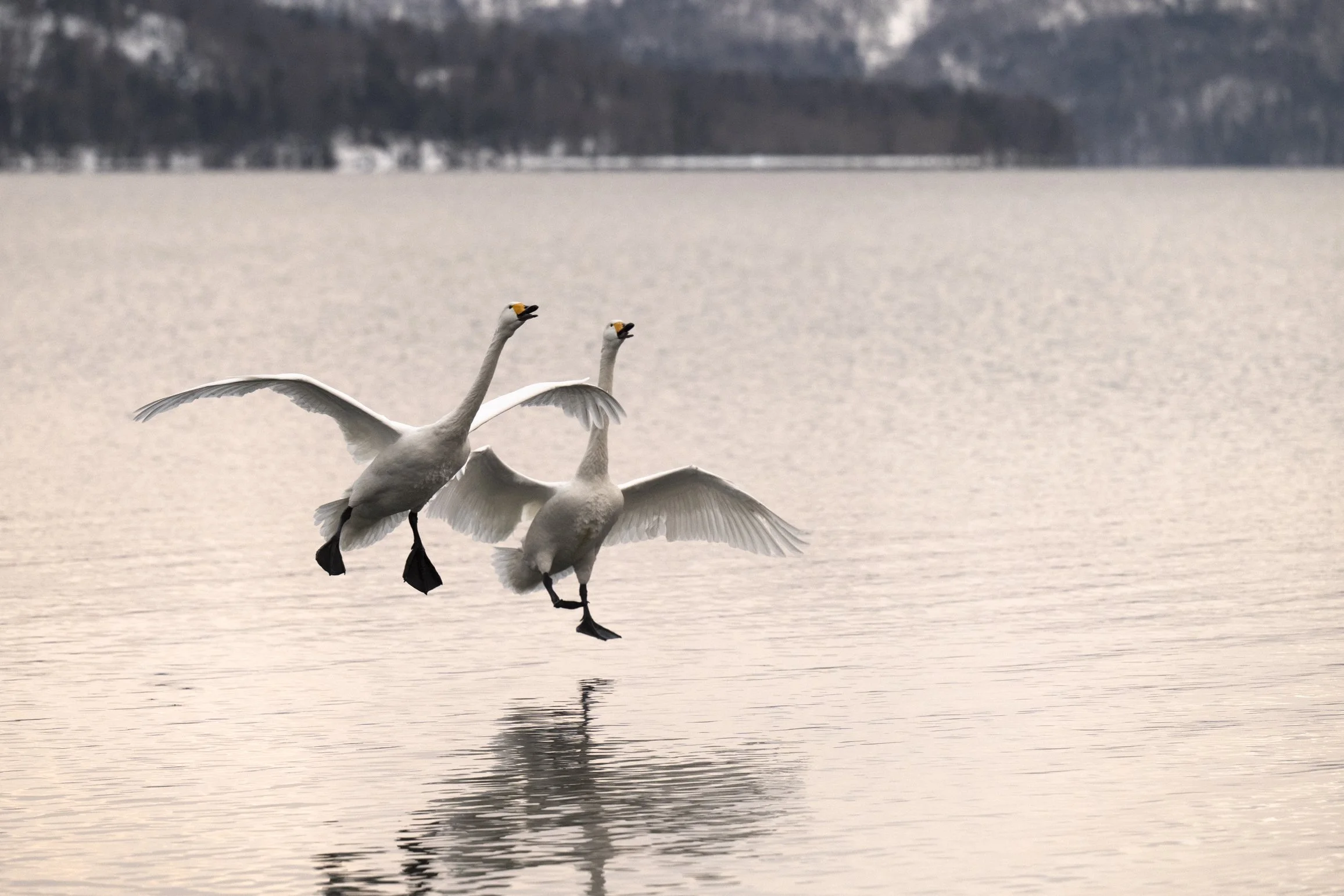
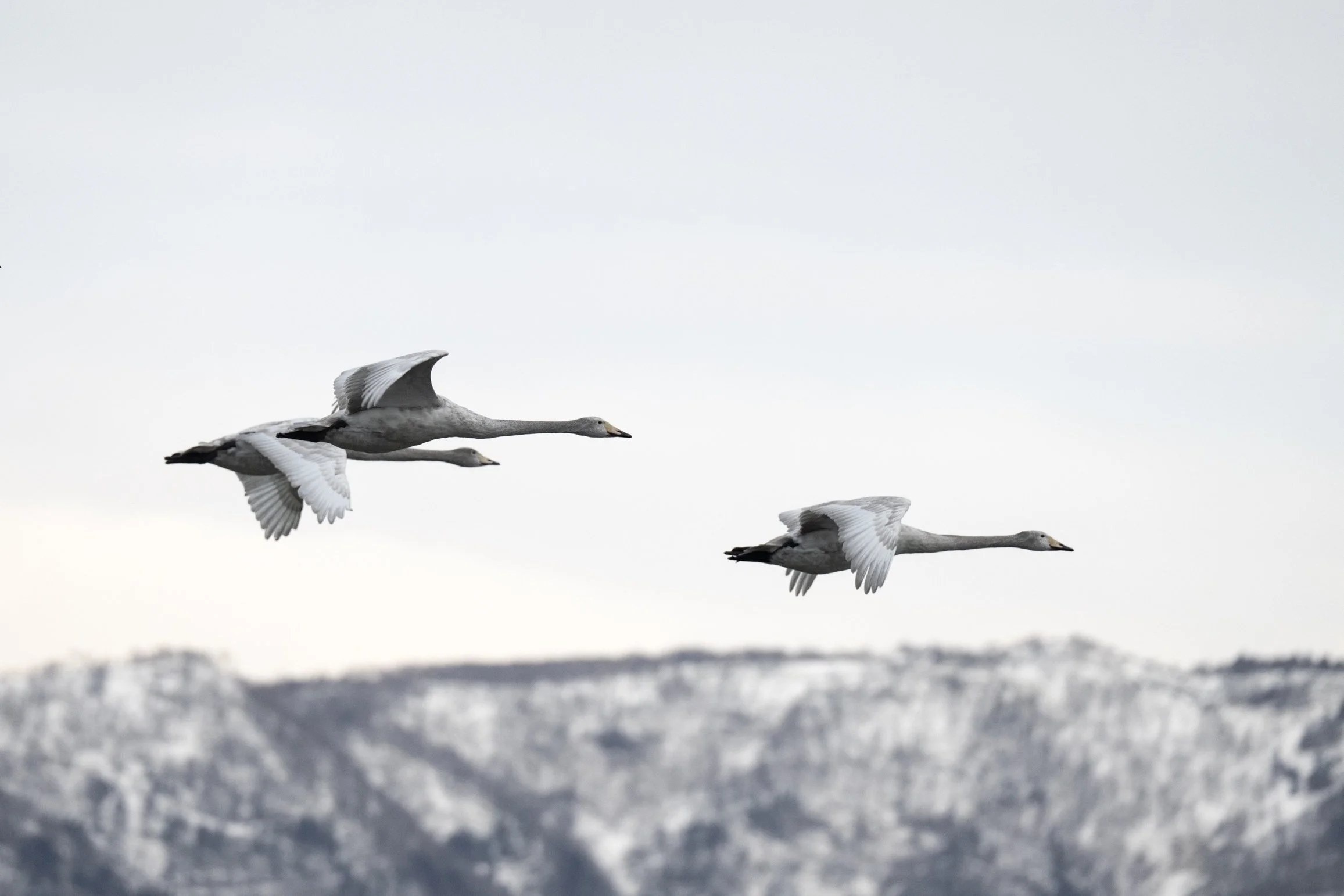
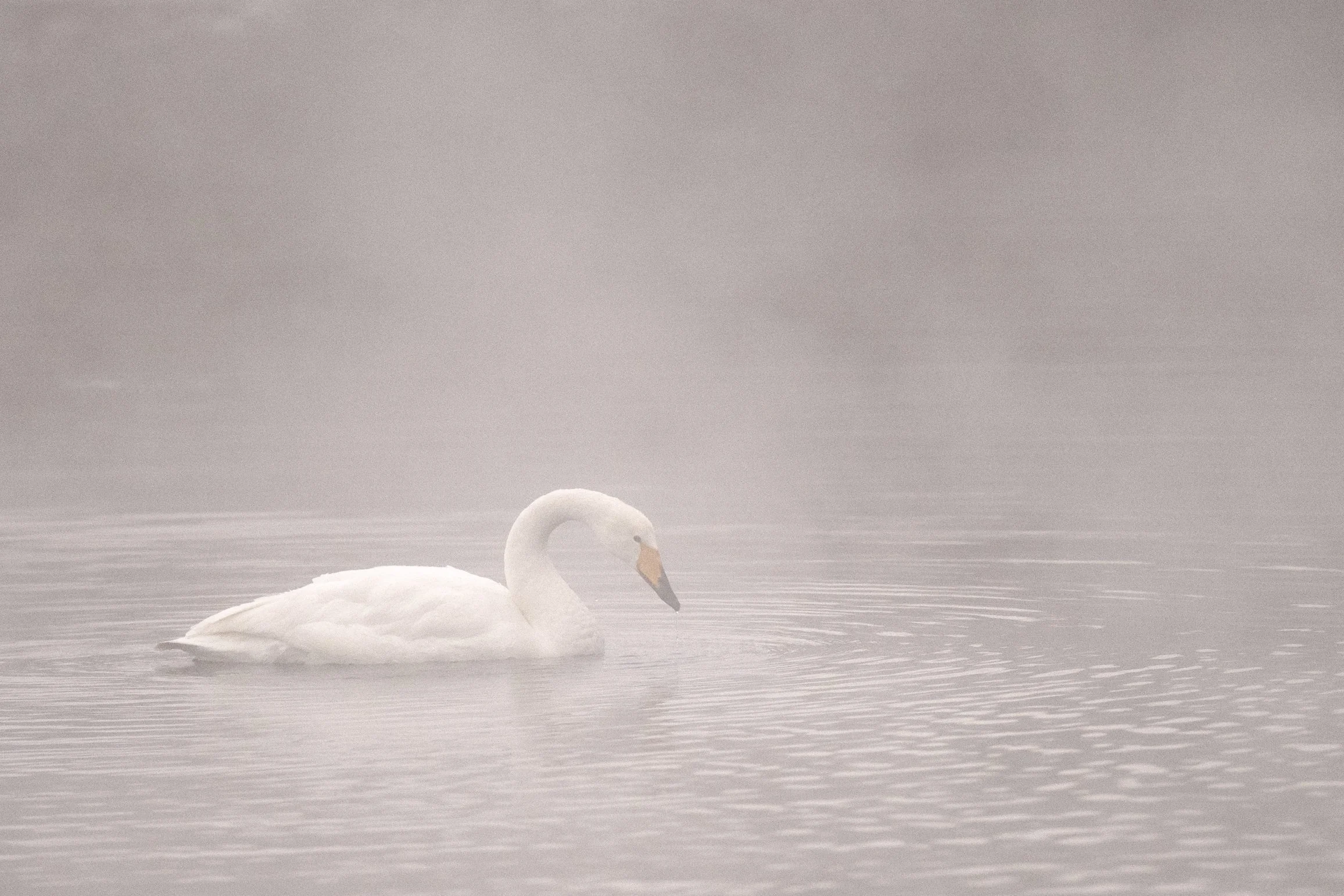
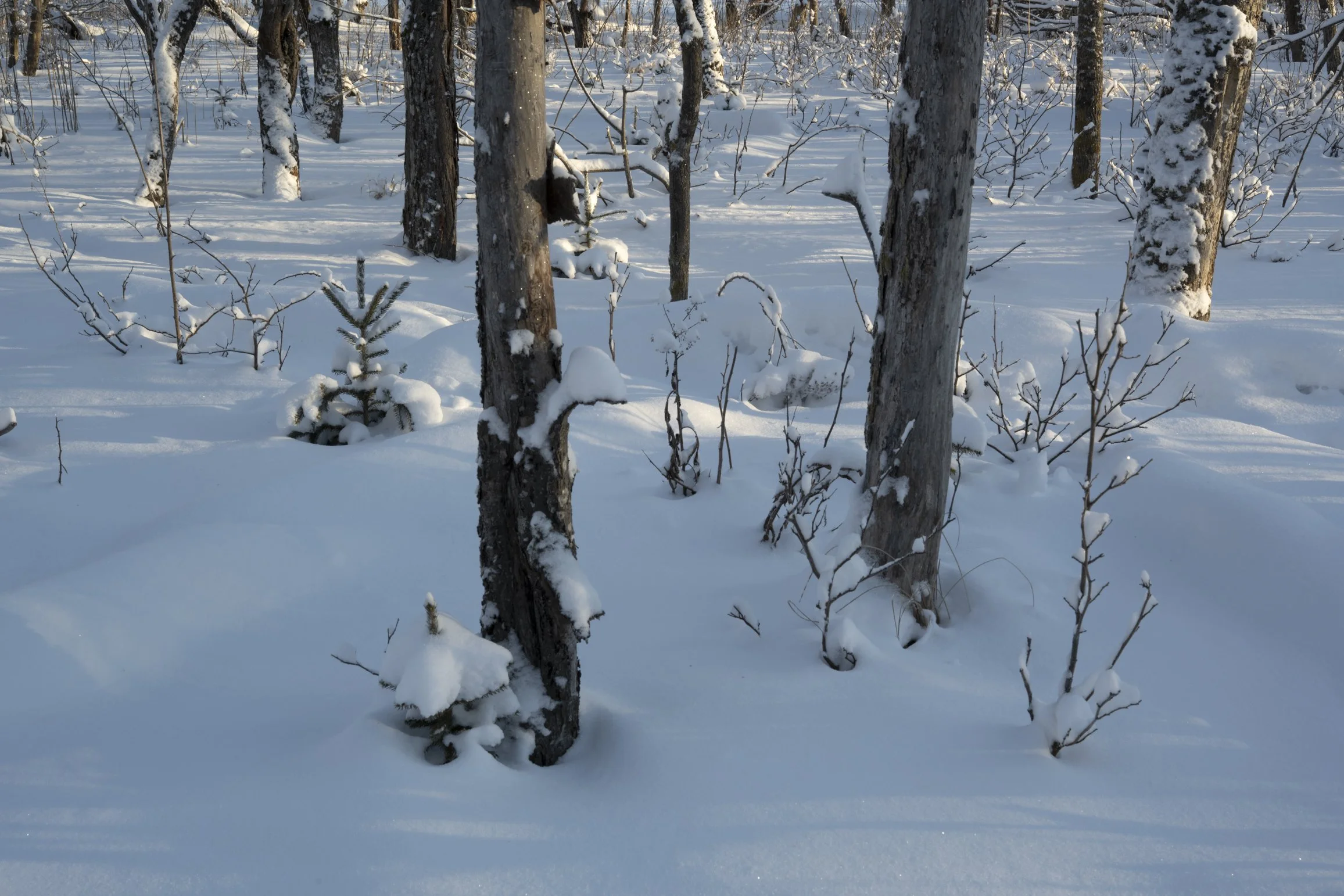
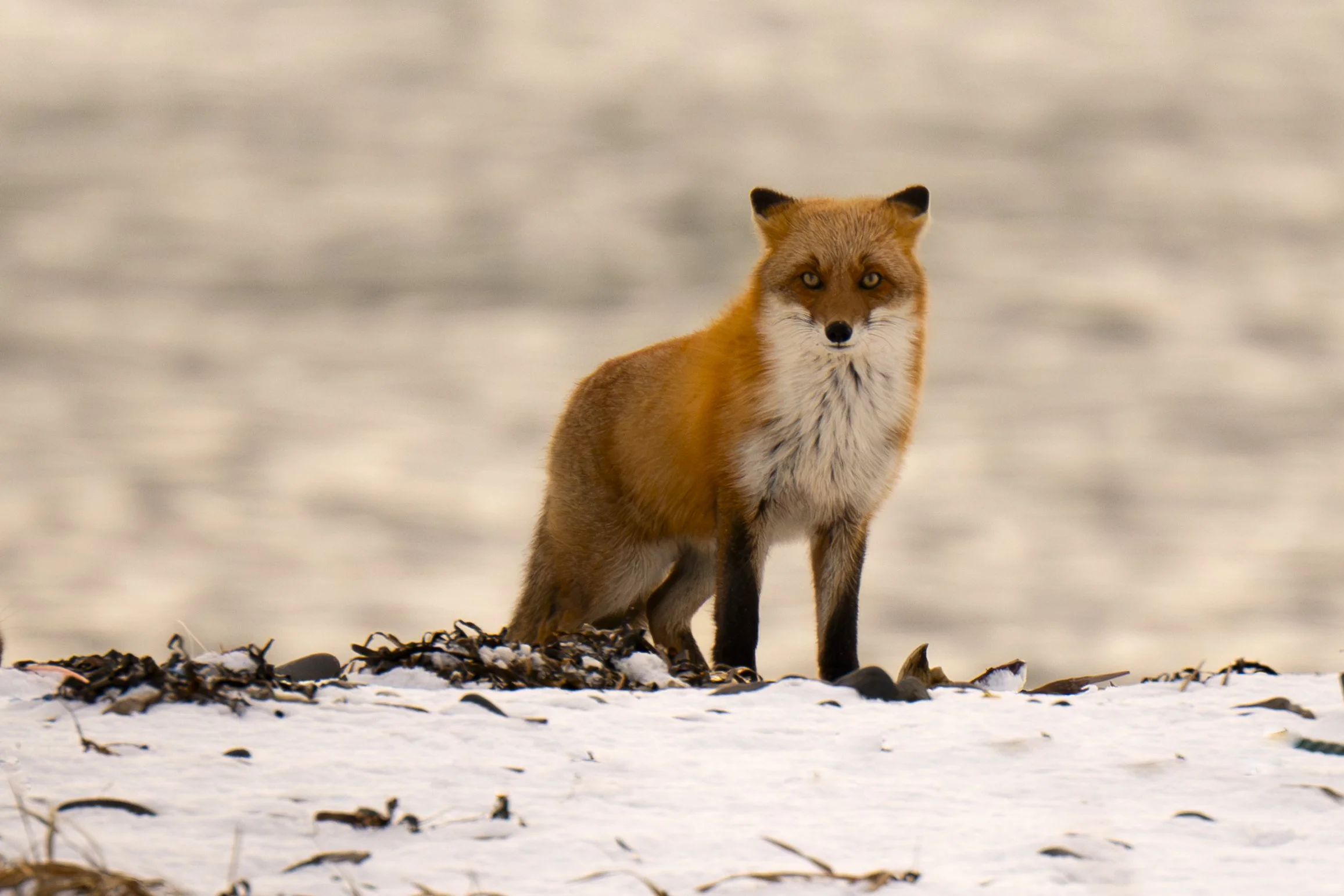
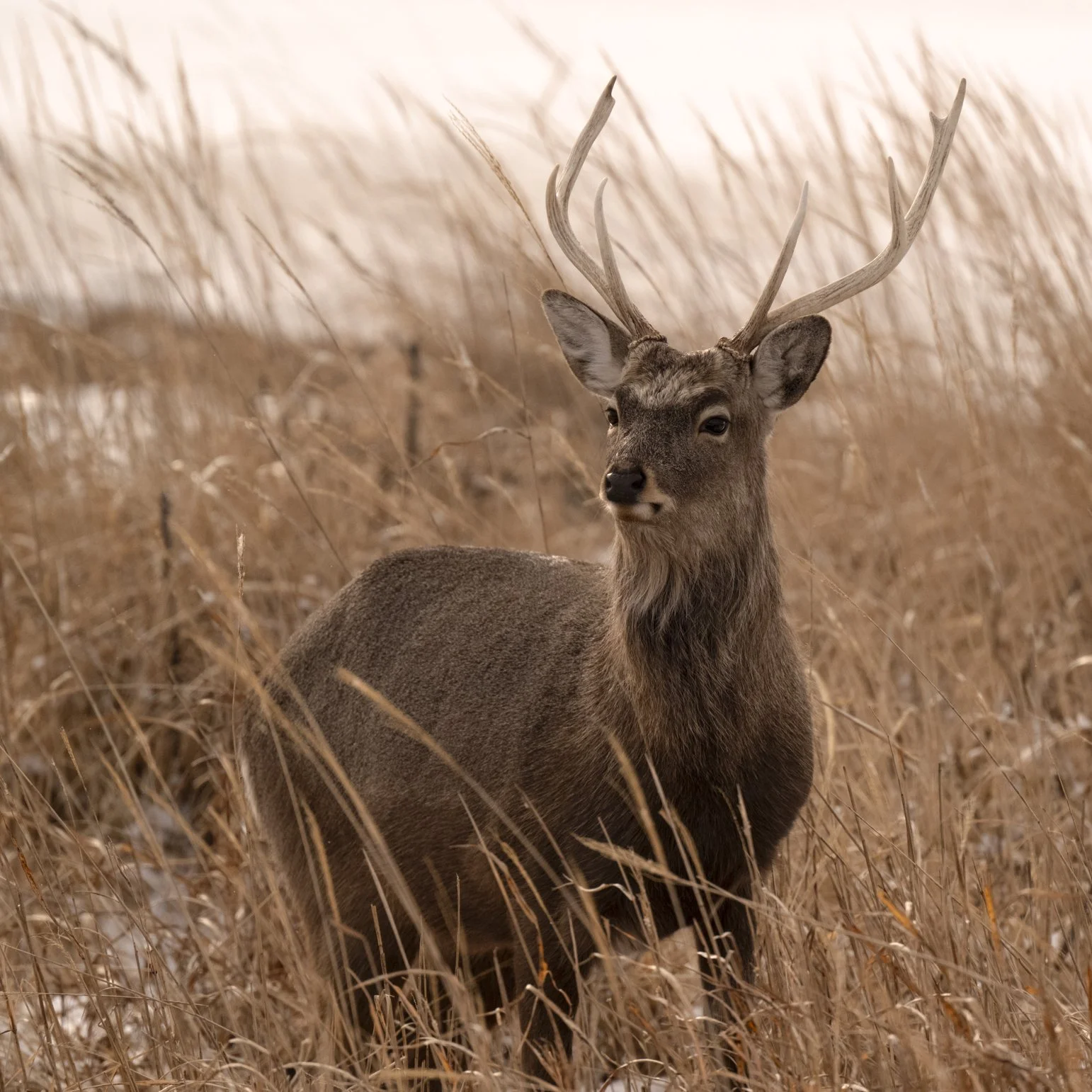
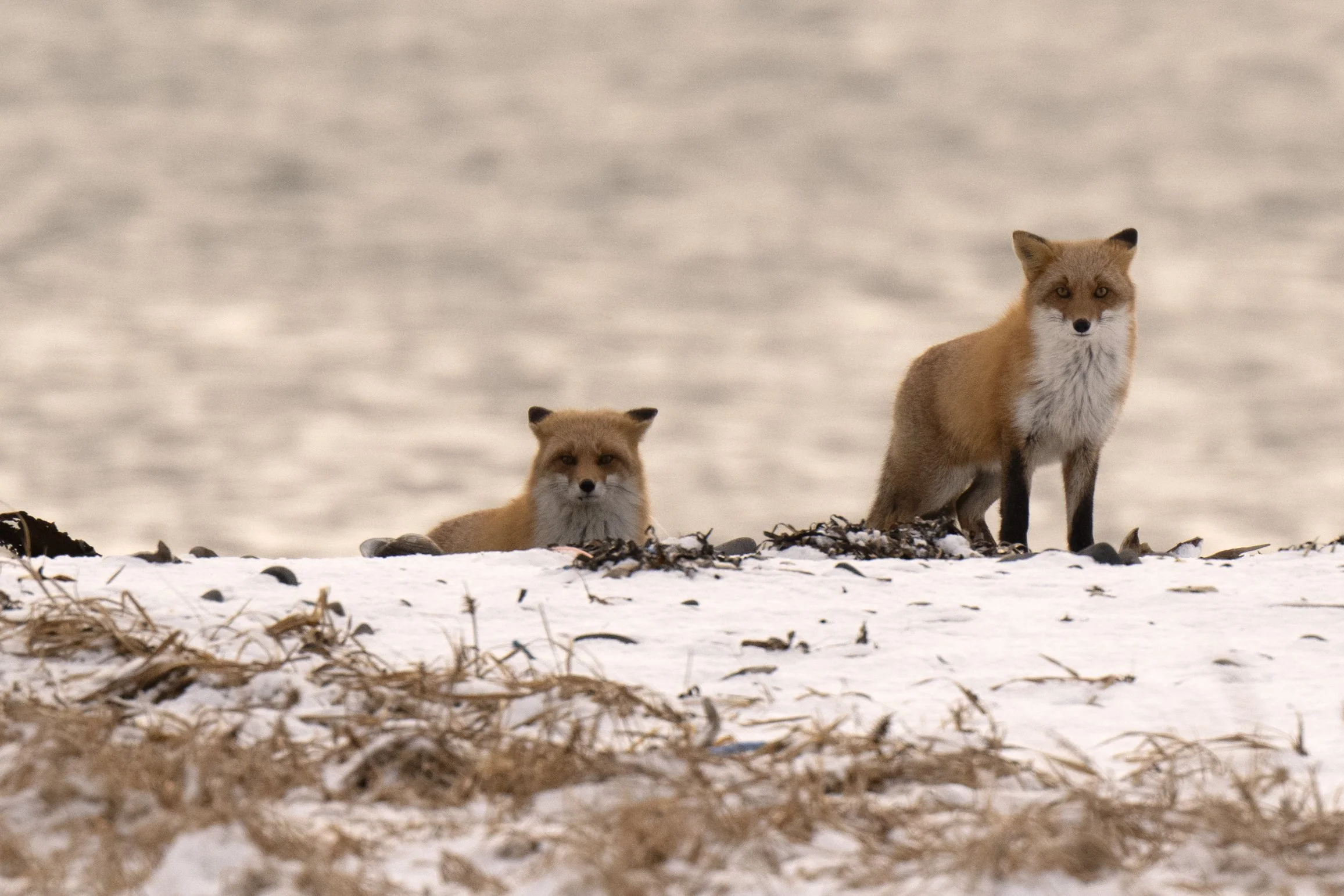
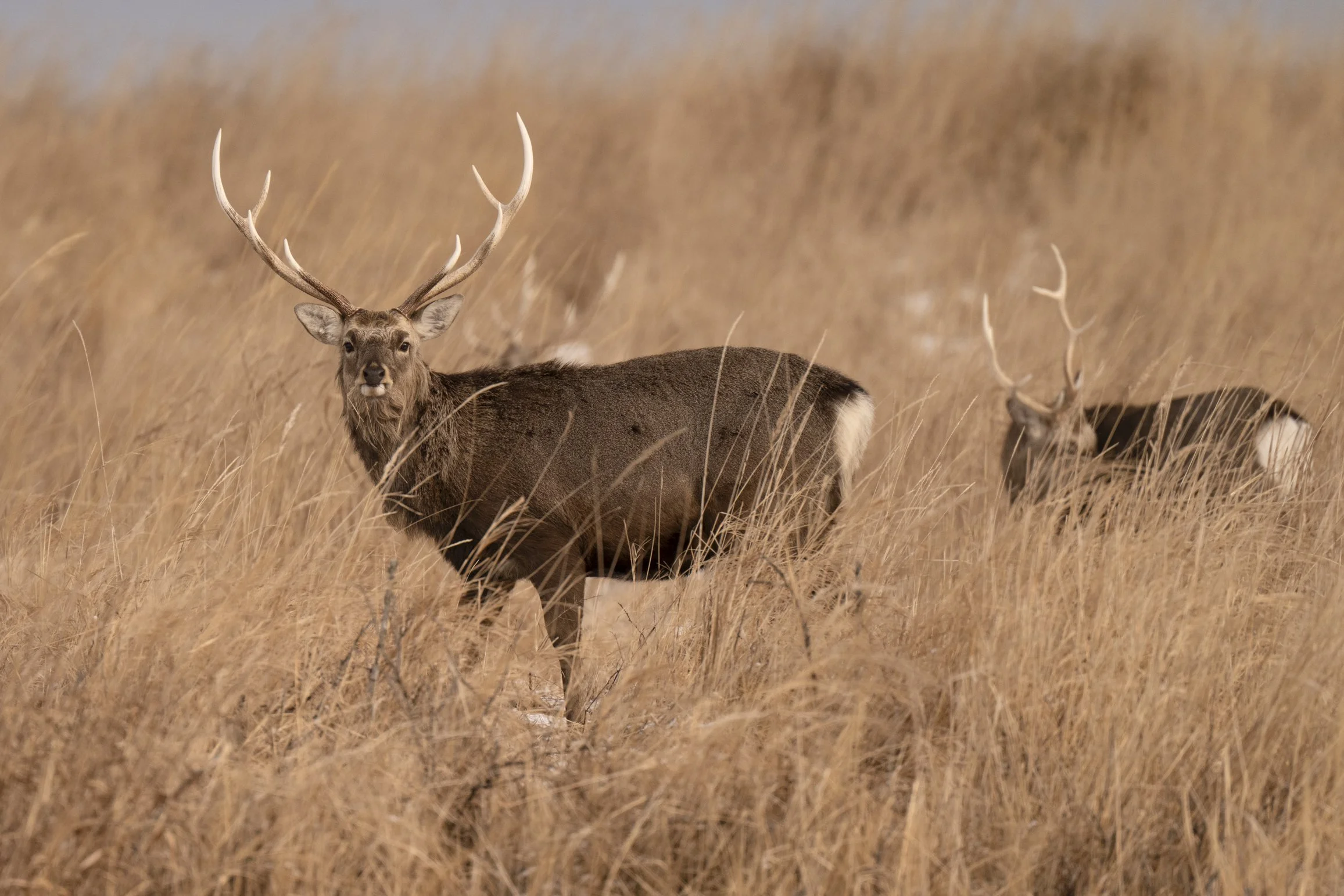
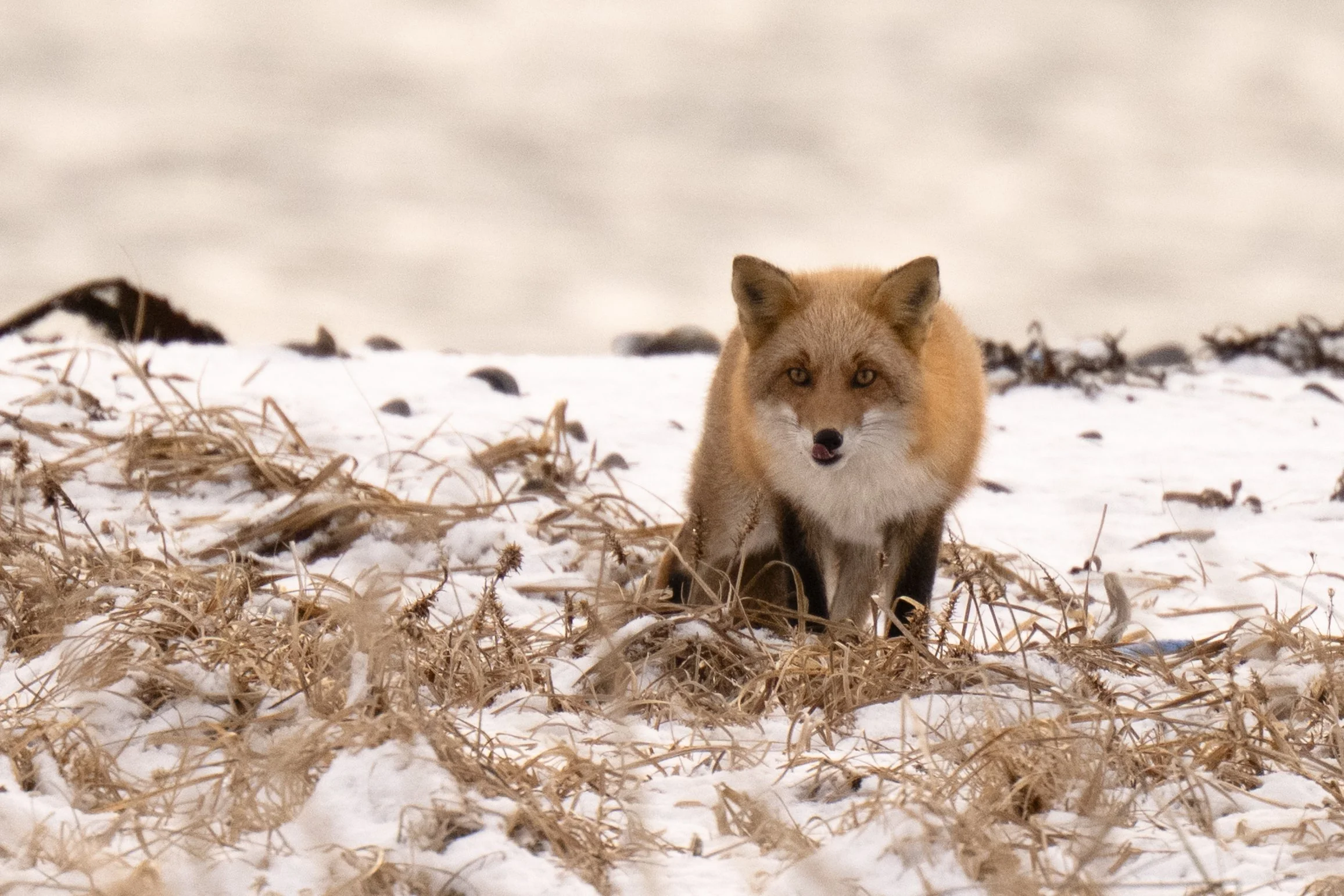
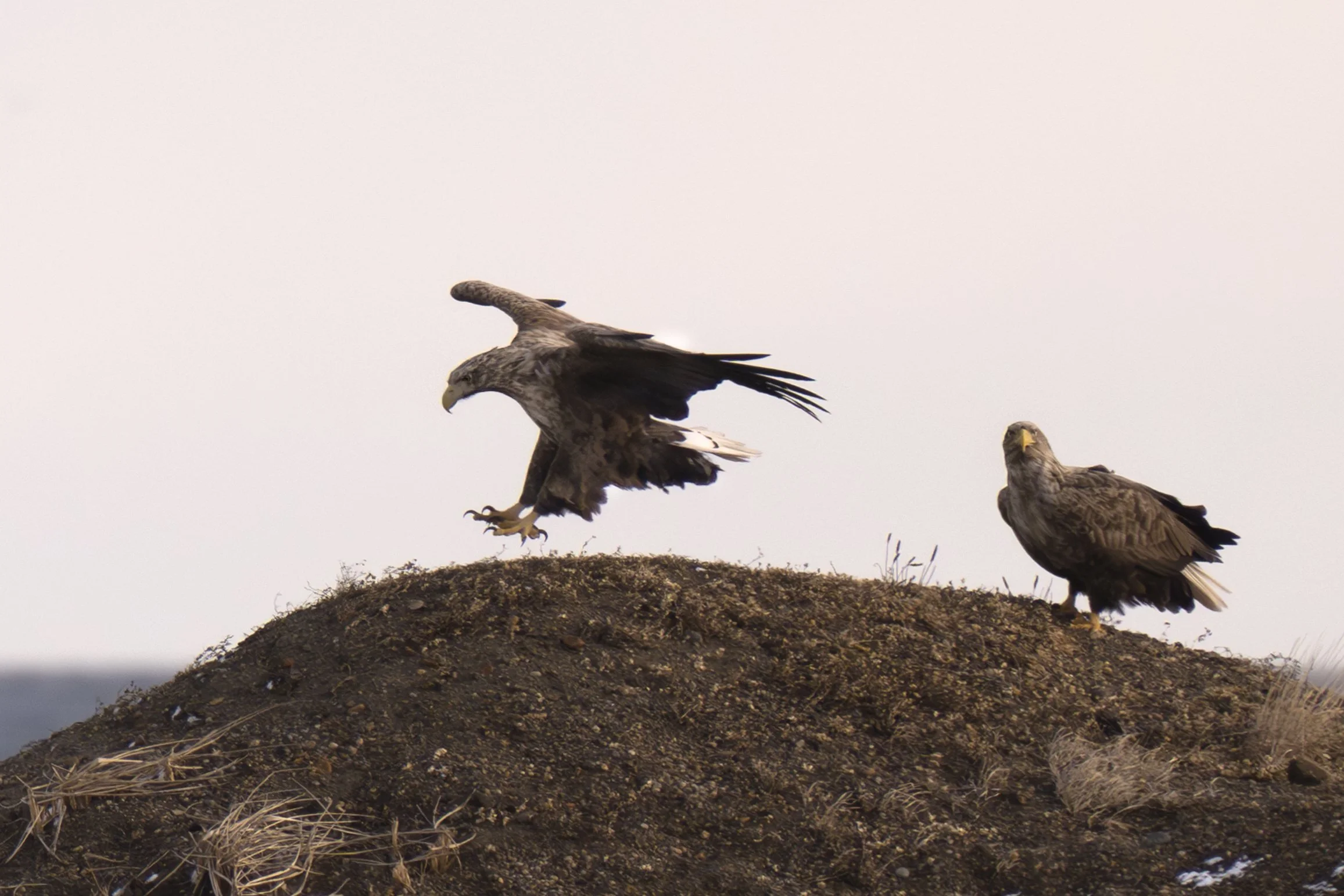
We continued north towards Shibetsu and the Notsuke Peninsula, including the Narawara Nature Reserve. This is a harsher landscape. Dead trees rise from snow and ice like skeletal forms, shaped over time by salt, wind, and exposure. There is very little visual clutter, which makes every tree, shadow, and movement within the landscape significant. Ezo foxes and deer moved quietly through the snow, providing a completely different photographic challenge. Long lenses, minimal movement, and patience were essential. Rather than pursuing the animals, we allowed them space and waited for the landscape and wildlife to come together naturally. The resulting photographs feel unmistakably Hokkaido, beautiful, exposed, and slightly unforgiving.
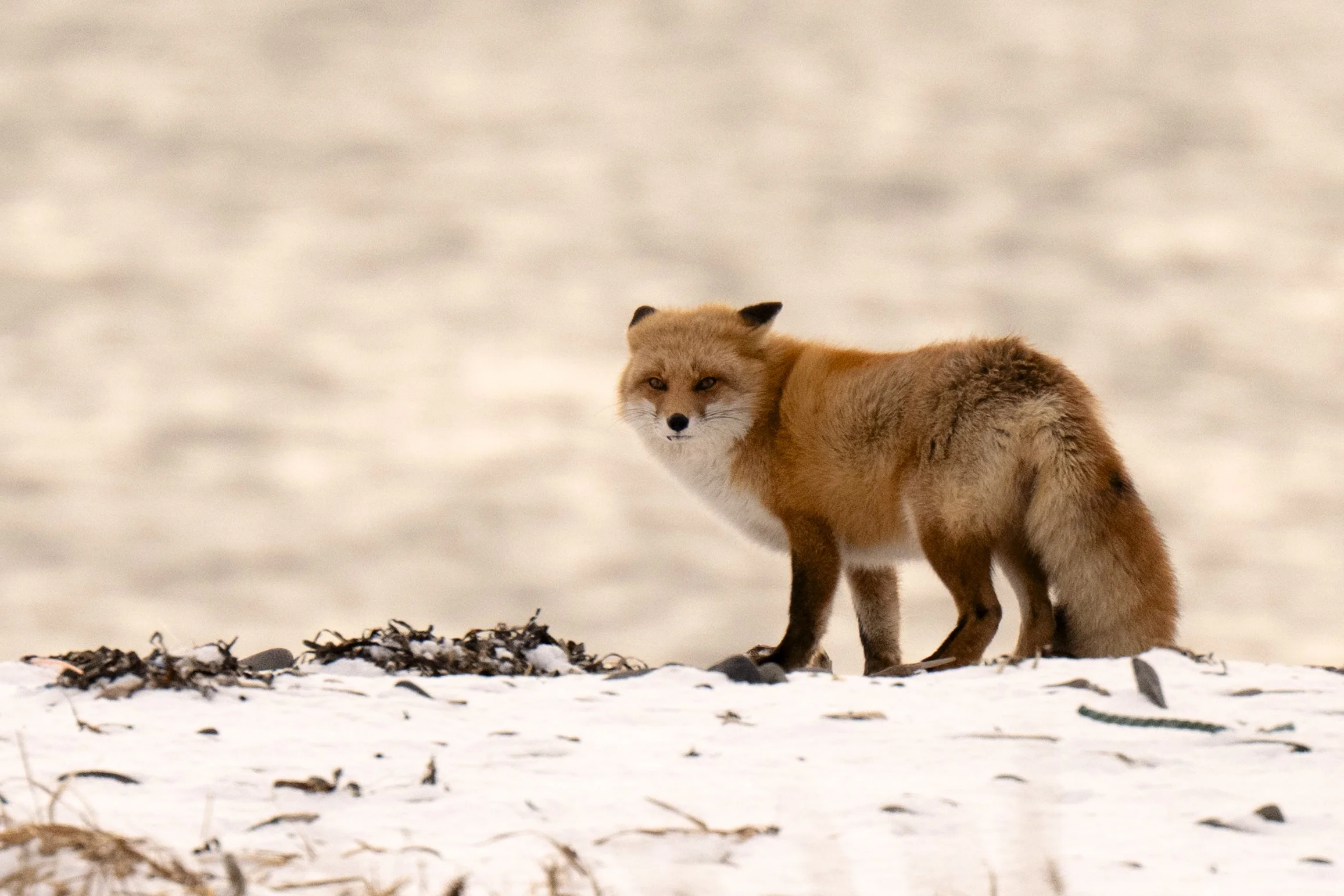
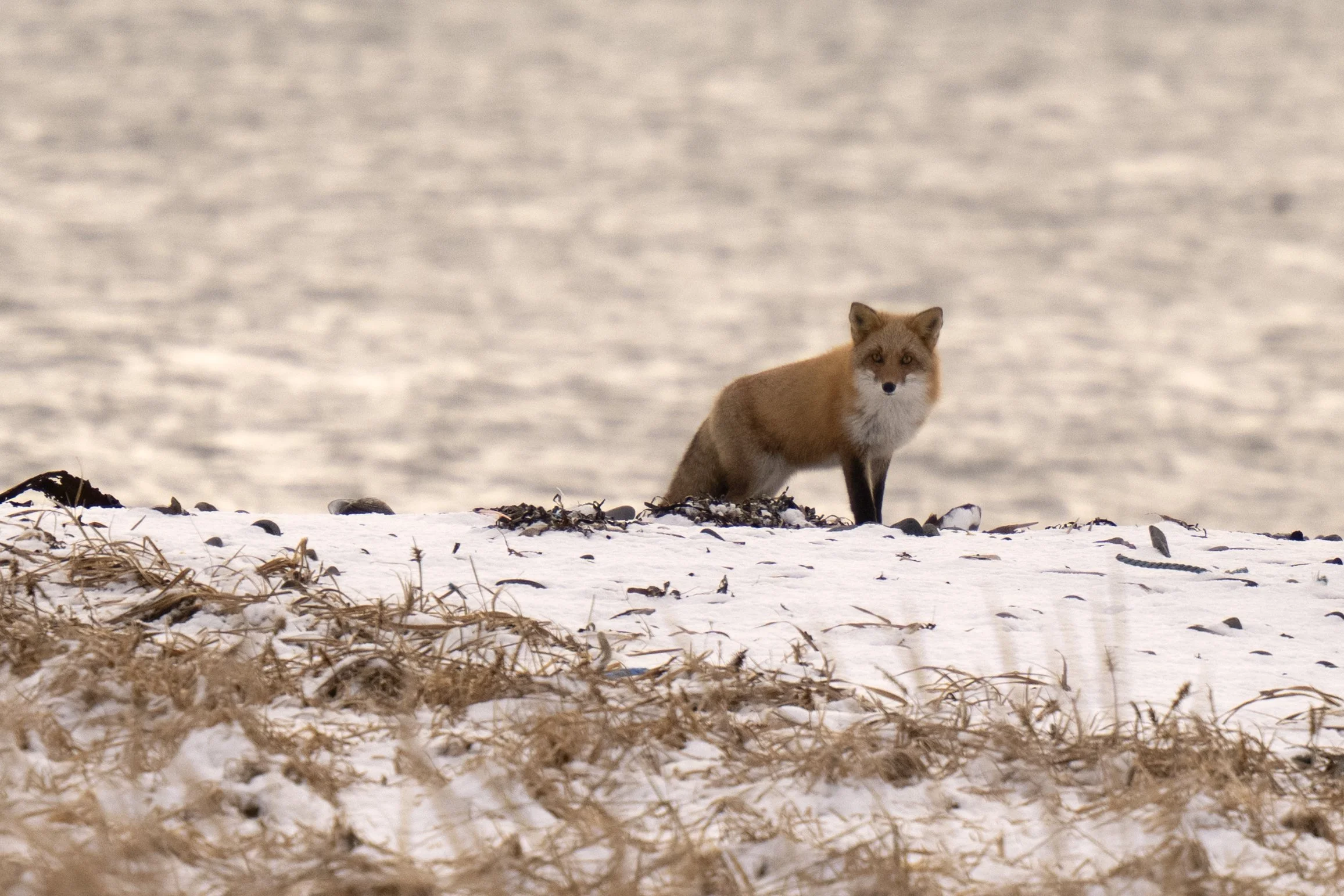
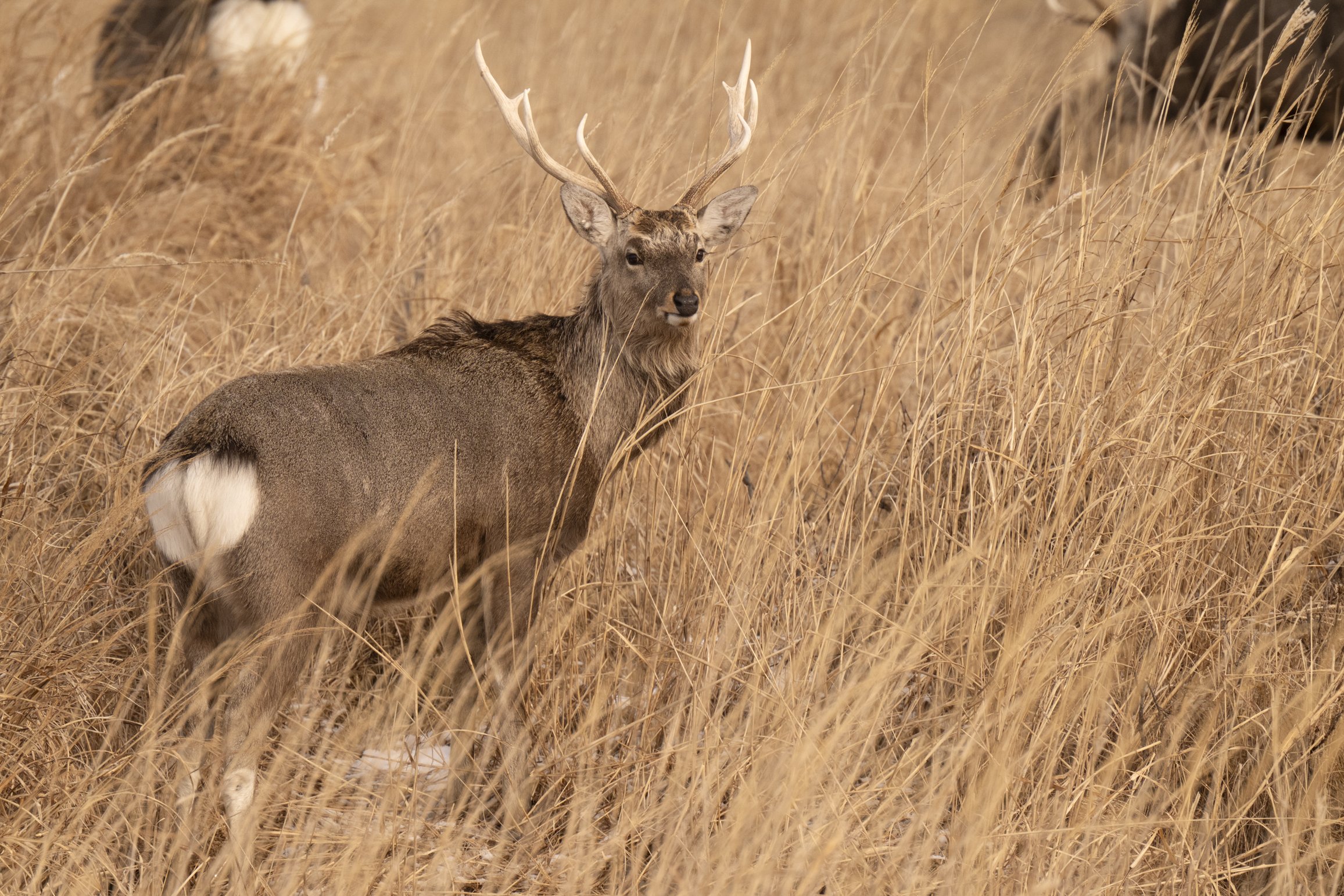
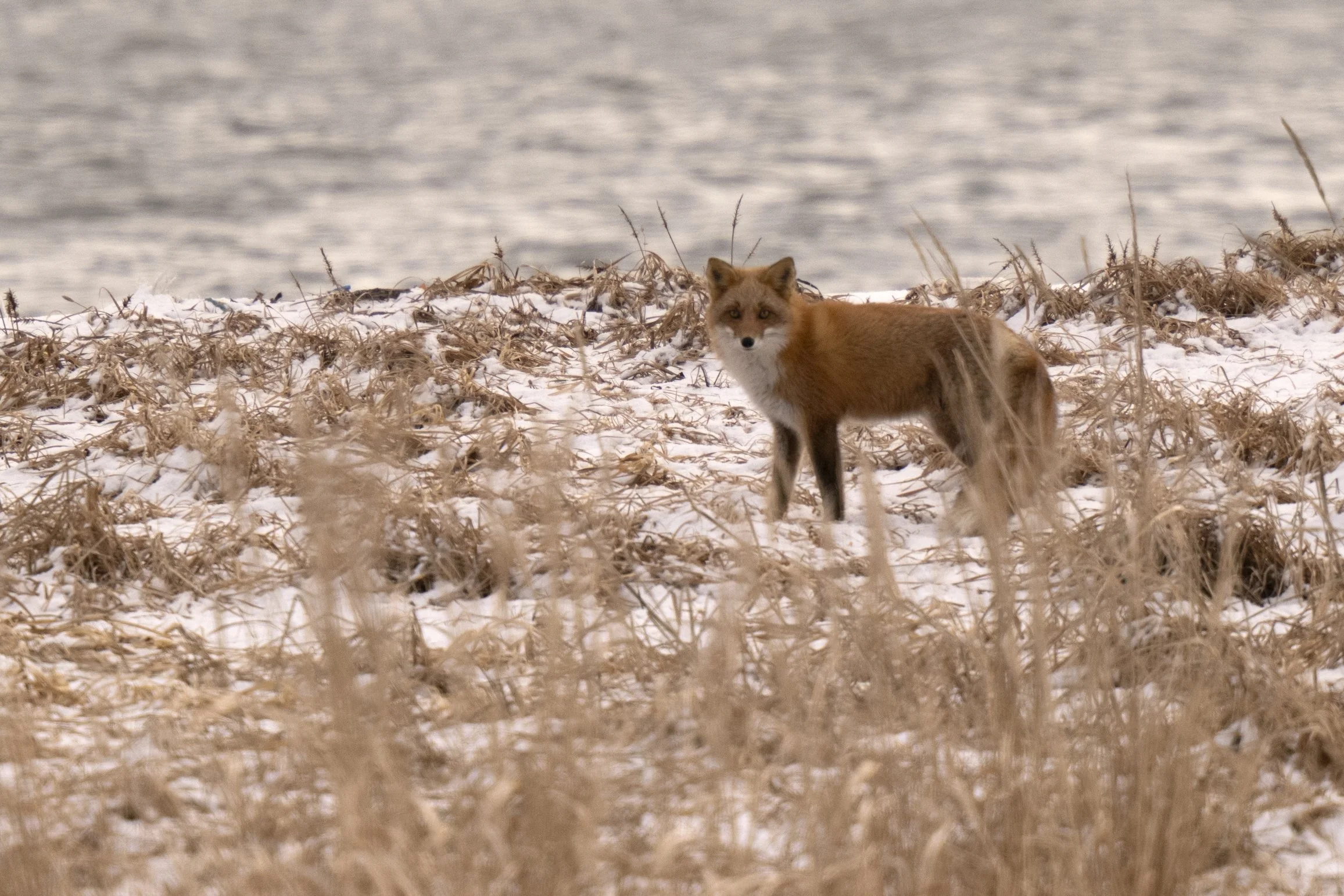
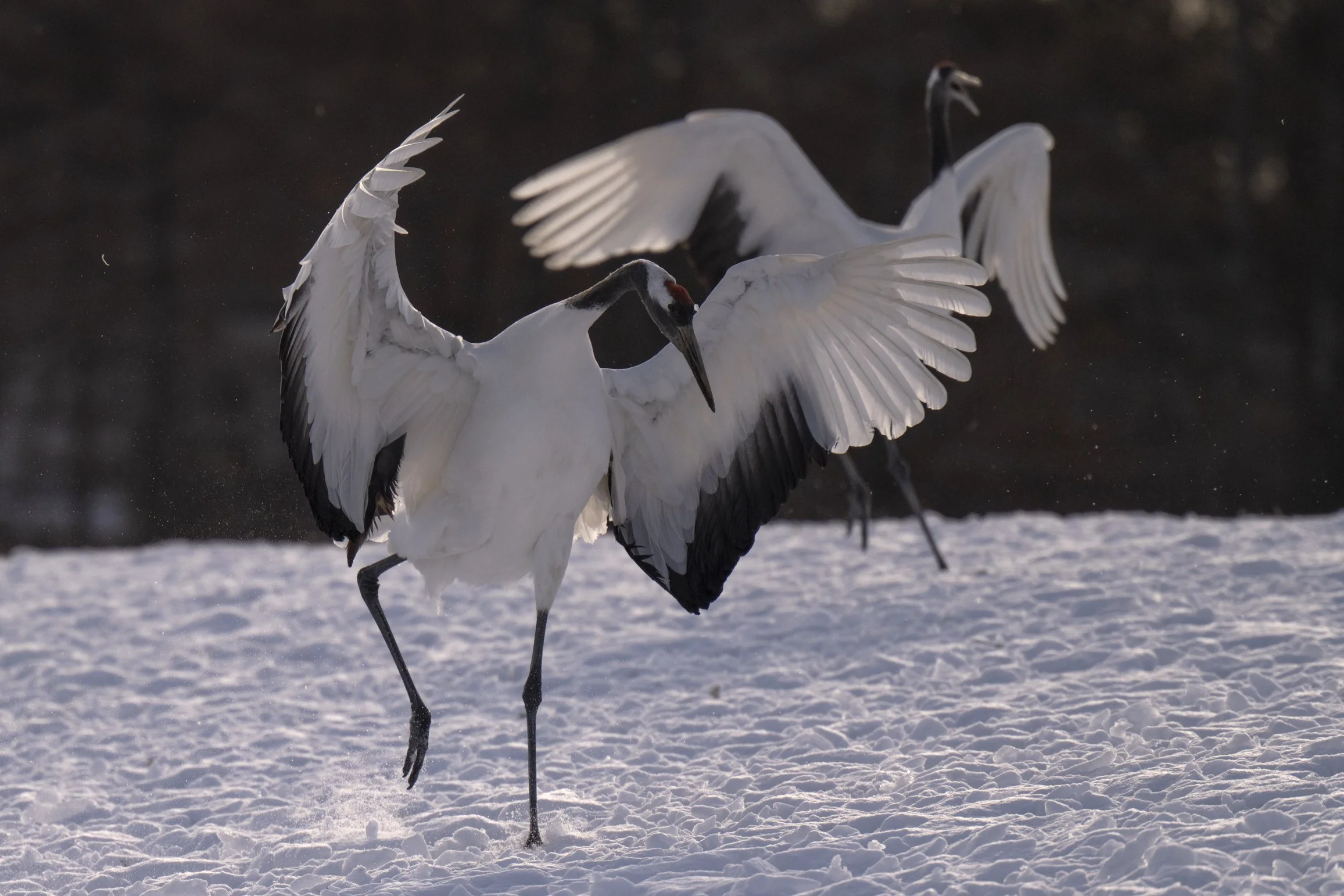
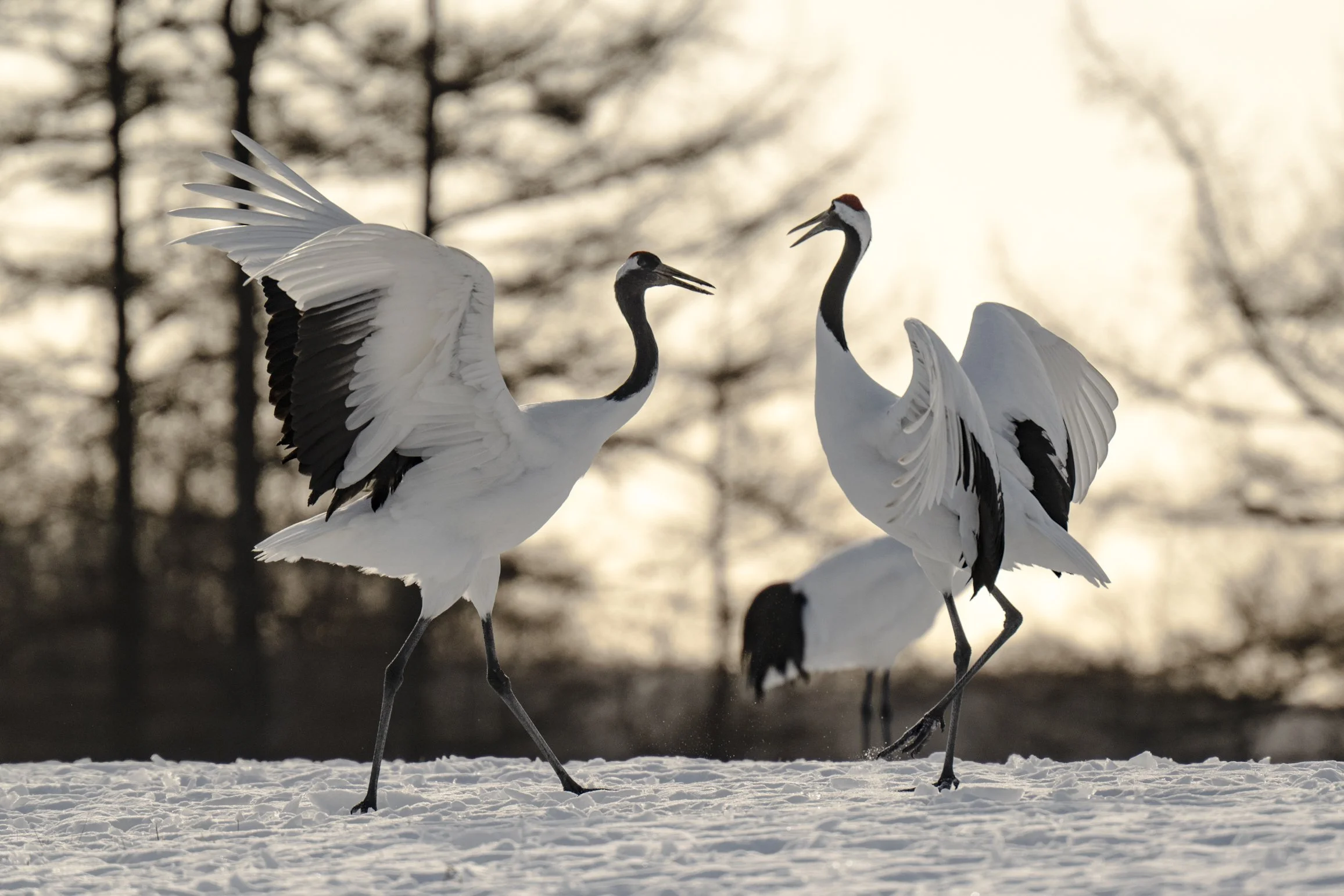
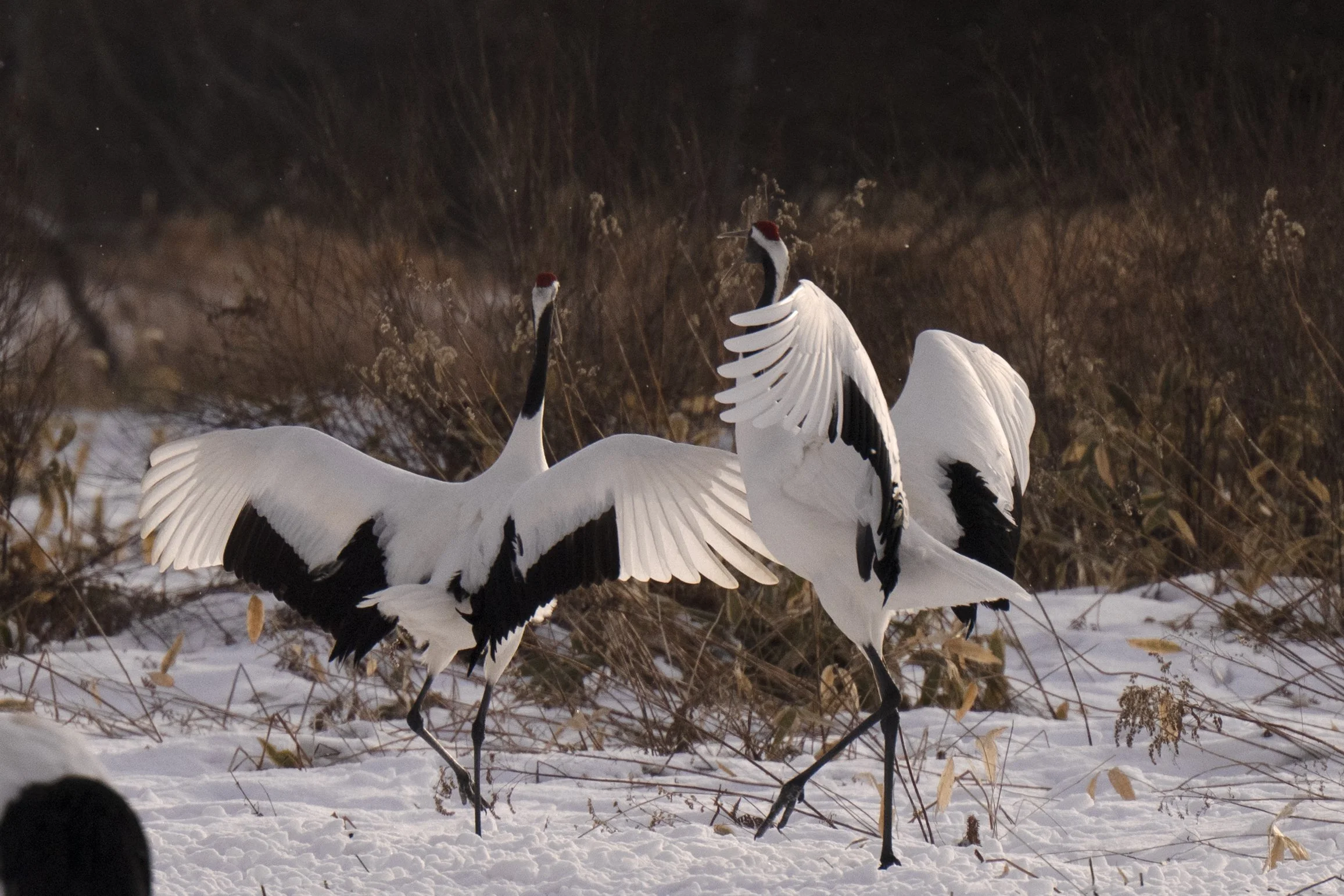
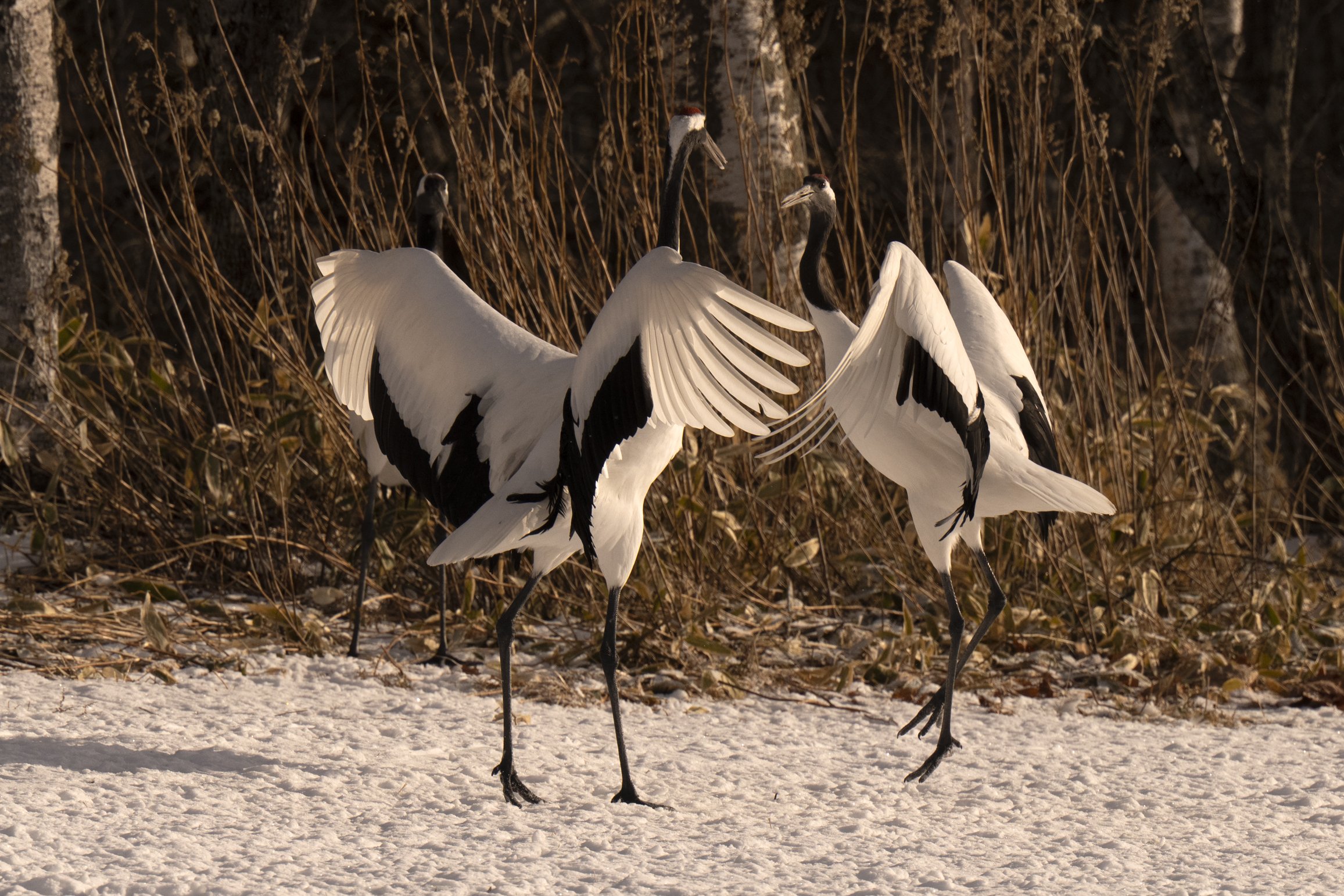
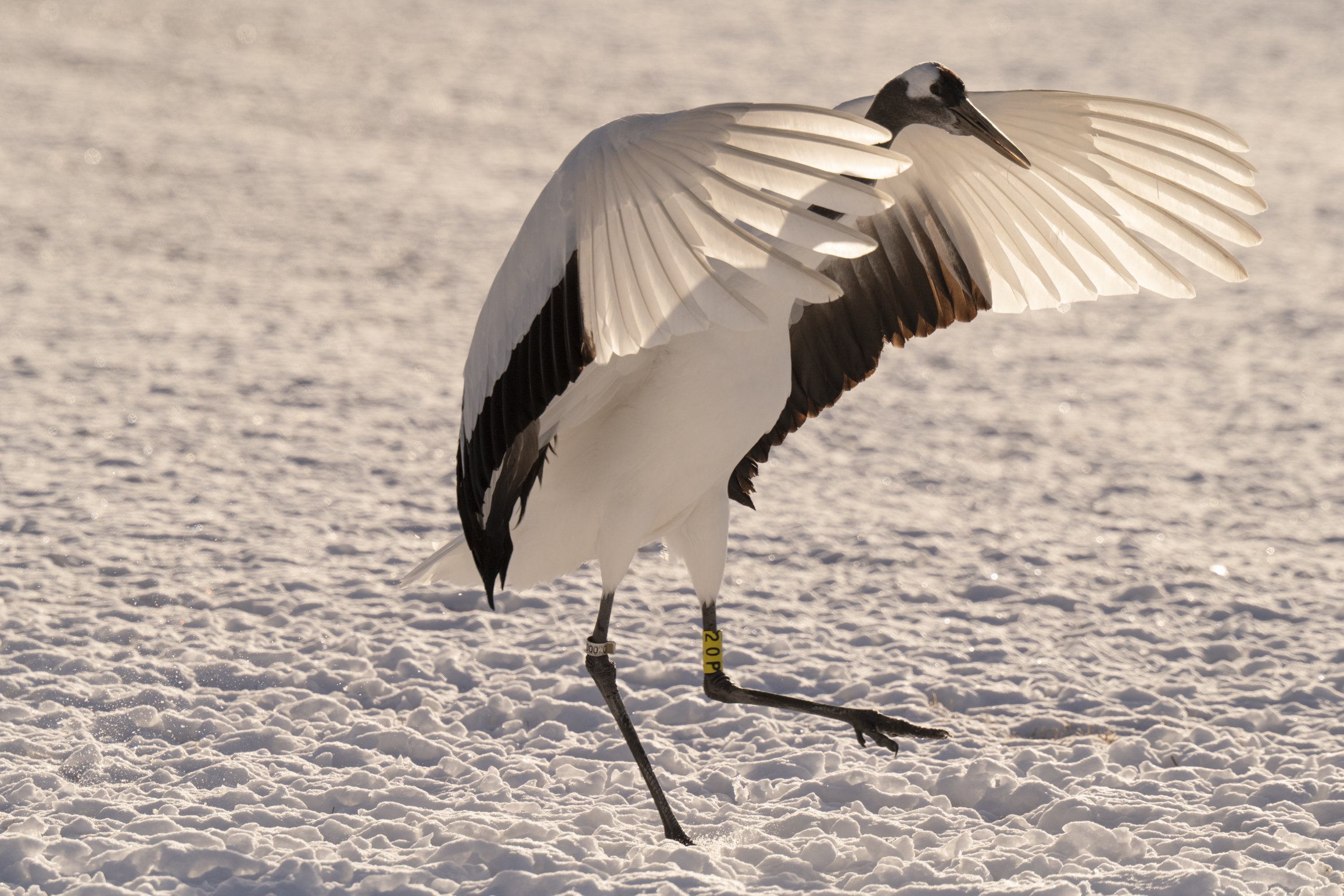
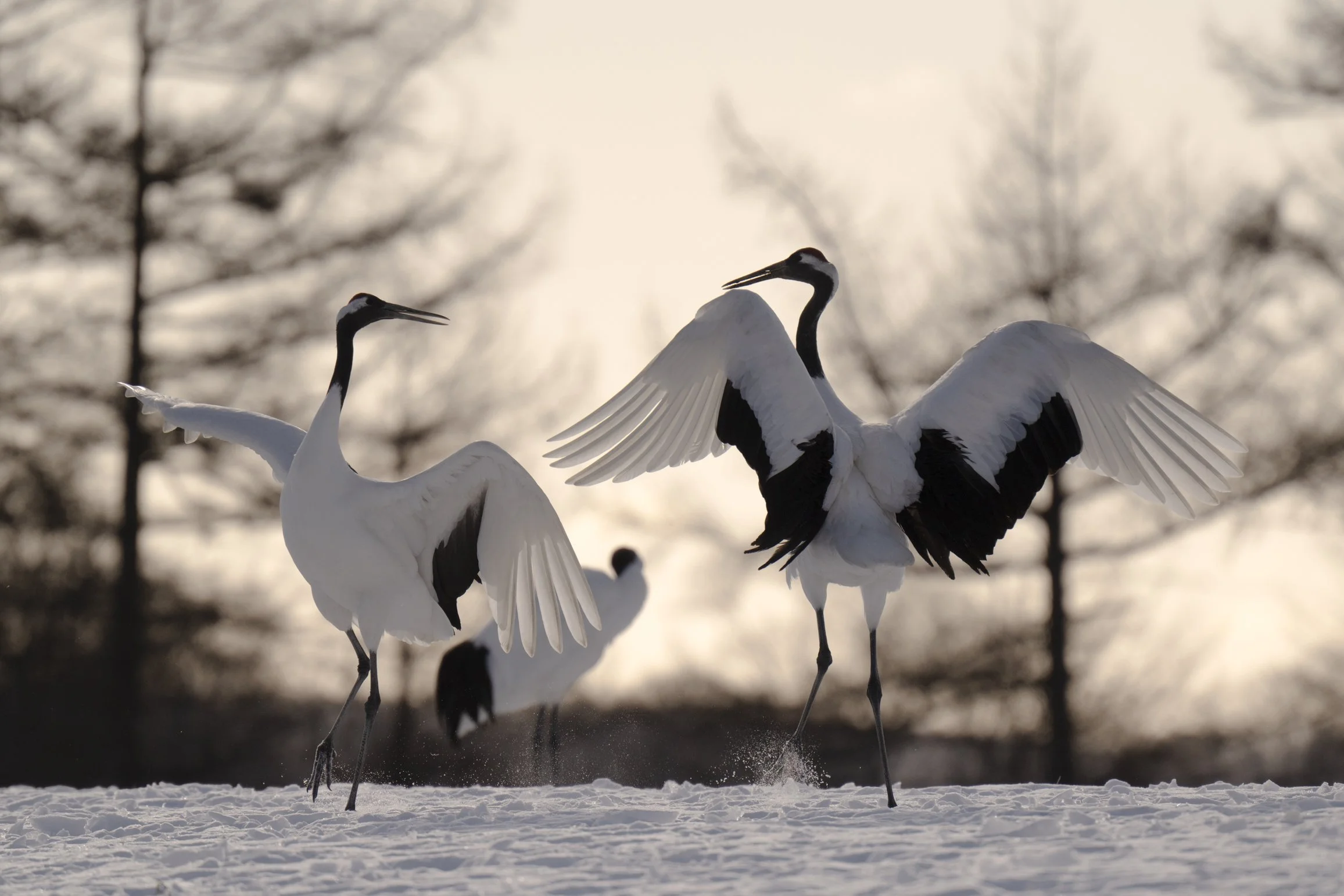
Our final day took us through Tsurui on the journey back towards the airport, and provided an appropriate conclusion to nine days in Hokkaido. Here we photographed the red crowned cranes, one of Japan's most celebrated birds. Against the snow-covered fields, their movements were extraordinarily elegant, sometimes quiet and deliberate, at other times animated as pairs interacted, called, and danced. Watching them felt less like photographing individual birds and more like observing a ritual that has taken place through countless Hokkaido winters.
It was a fitting final subject. After nine days of chasing light, weather, and wildlife across the island, the cranes provided one last reminder that sometimes the best thing a photographer can do is find the right position, wait, and let the subject come to you.
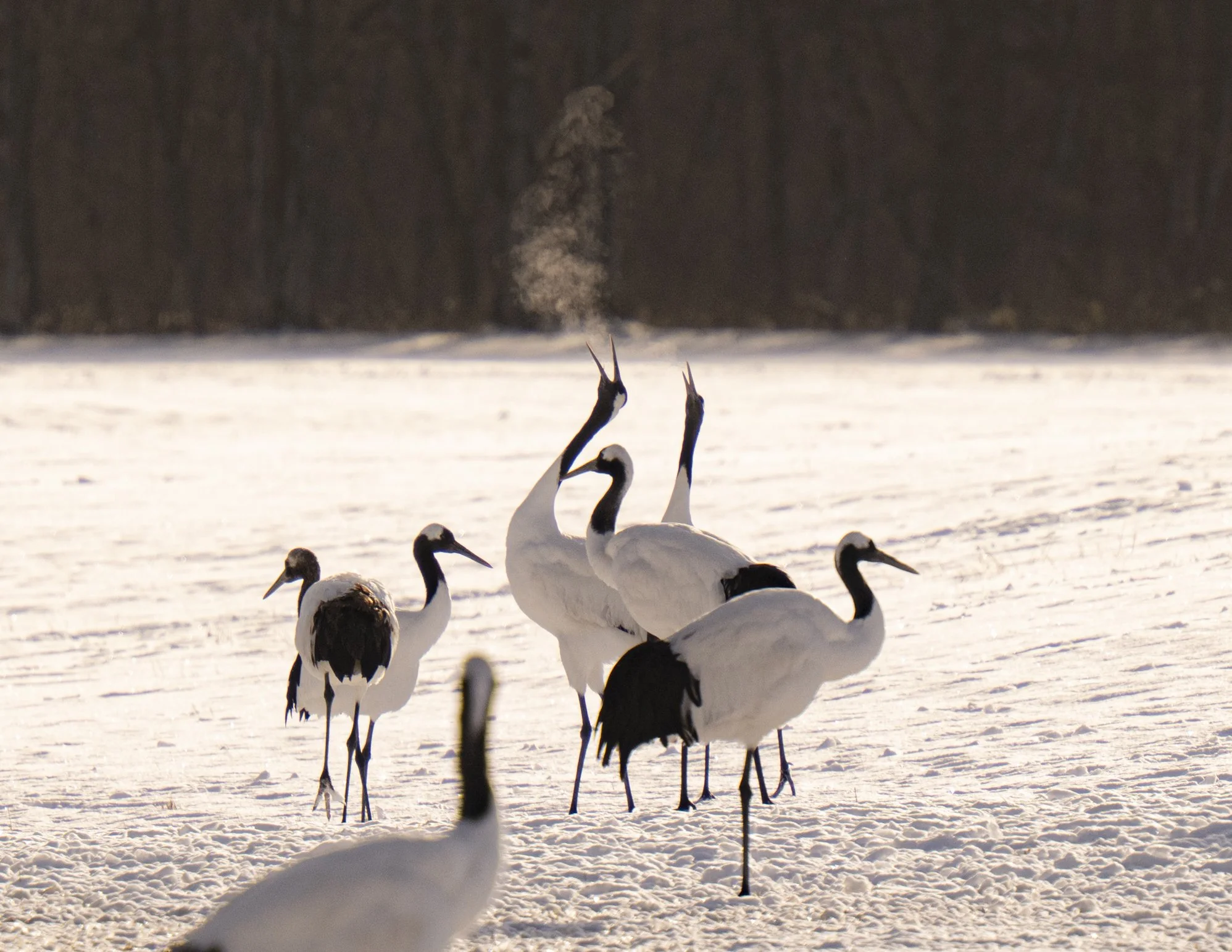
Red-Crowned Cranes
What stayed with me after Hokkaido was not simply the photographs, but the experience of making them. The island demanded early starts, long days, bitter cold, and an acceptance that conditions would dictate what we photographed. Some locations provided extraordinary light, others gave us falling snow, flat skies, or almost nothing at all. Each required a different response.
That unpredictability became part of the attraction.
My sincere thanks go to Tsuyoshi Kato for his remarkable local knowledge and calm authority, and to Richard Young for his leadership, photographic insight, and generous mentoring throughout the journey. Their contribution turned the trip into something considerably more valuable than simply visiting a series of photographic locations.
I left Hokkaido cold, tired, and very happy, with photographs I am proud of and a renewed appreciation for taking the time to observe before pressing the shutter. And, inevitably, wanting to go back.